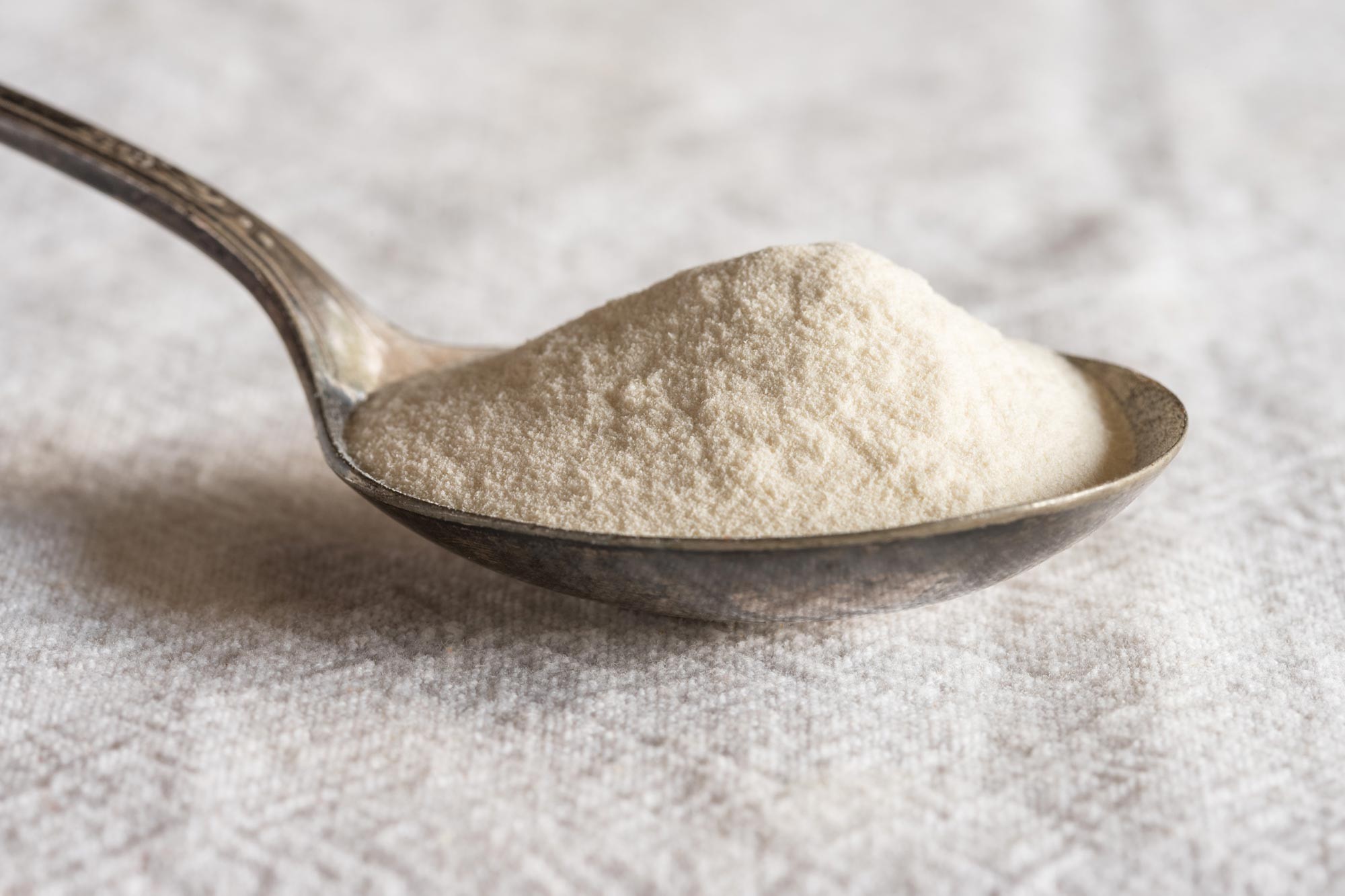
Xanthan gum is everywhere. You’re likely eating it right now.
It’s in the yogurt. The gluten-free pasta. That protein shake you’re nursing. It gives these products their smooth, thick texture. It stops them from separating. The food industry loves it. It’s cheap. It works. It stabilizes liquids for people with swallowing difficulties—a condition known as dysphagia.
But there is a problem.
New research from the Federal University of São Paulo suggests that common food additive xanthan gum may be doing more damage to the gut than anyone realized. It’s not just a passive ingredient. It reacts. It opens up the intestinal wall. It triggers inflammation.
The study involved rats. They consumed the additive for ten weeks. The result? Colon inflammation. Altered gut bacteria. A weakened intestinal barrier.
“This isn’t about demonizing xanthan gumin the traditional sense,” says Alessandra Rischiteli. She’s the nutritionist who led the study. She’s also a speech-language pathologist.
She wants nuance. Occasional use in small amounts probably isn’t killing anyone. The concern is daily use. The cumulative effect. When you eat ultra-processed food every day, you are consuming this thickener regularly. And your gut knows it.
The Causality Problem in Infant Health
For years, doctors in the US watched with alarm. In 2012, twenty-two premature infants developed necrotizing enterocolitis after being fed formula thickened with this substance. Three died. It was a tragedy.
The FDA reacted quickly. They prohibited its use in premature babies. They advised against it for infants generally.
But for years, the link remained a clinical hypothesis. An empirical observation. Did the gum cause the disease? Or was it just associated with it?
This new study provides the missing piece. It proves causality.
“Until then, the link … was merely a clinical hypothesis,” says Claudia Oller, the study coordinator at UNIFESP. “This study on rats proved causality—that is, that xanthan gum does cause inflammation.”
The mechanism is now clear. The gut inflammation seen in infants wasn’t random. It was a direct result of how this additive interacts with intestinal tissue.
How the Gut Barrier Breaks Down
Here is what happens biologically.
Xanthan gum is reactive. When it hits the gut, it doesn’t just sit there. It alters a specific protein called Claudin-2. This protein is supposed to keep the cells of your intestinal wall sealed tight. It regulates permeability.
Xanthan gum messes this up. It causes Claudin-2 to be expressed at higher levels. This weakens the barrier. It creates gaps. Once the barrier is compromised, things leak.
Rats in the study showed a clear inflammatory cascade. They had more lymphocytes in their intestinal walls. Higher scores of inflammation under the microscope. The medium and high dose groups fared the worst.
They also had elevated levels of pro-inflammatory cytokines. Specifically, IL-1β and TNF-alpha.
“TNF-alpha, in particular, is associate[d] with the death of cells lining the intestine,” Rischiteli explains.
Cell death in the gut lining is not something you want. It opens the door to systemic inflammation. It breaks down the wall between your gut content and your bloodstream.
The Microbiome Shift
The study didn’t find a massive drop in overall microbial diversity. The total number of species didn’t crash.
But the balance shifted.
There was a specific increase in bacteria from the phylum Elusimicrobiota. This group is associated with inflammatory conditions.
“This change indicates a state of dysbiosiseven without major alterations in the dominant bacterial groups.”
Dysbiosis is an imbalance. Good bacteria vs. bad bacteria. When the ratio tilts toward the inflammatory types, the gut becomes hostile territory. Even if the “main” species are still there, the ecosystem is off-kilter.
Who Is Most at Risk?
Scientific interest in this has skyrocketed for a specific reason: who actually eats this daily?
Children and older adults with dysphagia.
For these patients, swallowing is hard. Liquids are dangerous. Thickeners like xanthan gum make swallowing safer. It’s a necessary tool. It helps them eat. It helps them drink.
So, what do we do? Remove the additive and let them choke or dehydrate?
No. Rischiteli argues for a middle ground. The goal isn’t simple removal. It’s harm reduction.
If a patient relies on xanthan gum for survival and nutrition, the doctor’s job changes. You monitor gut health. You add protective strategies. Probiotics. Diets that support barrier repair.
It’s a triage situation.
The Ultra-Processed Reality
The dysphagia patients are a special case. The broader population has a different issue.
We are swimming in ultra-processed foods. These products rely on additives to mimic the texture of whole foods. They create a palatability that whole foods can’t match.
The Dietary Guidelines for the Brazilian Population advise avoiding ultra-processed foods. The researchers note this advice is highly relevant.
You don’t have to be swallowing impaired to suffer the consequences. If you eat protein bars. Smoothie mixes. Gluten-free baked goods. Packaged sauces. You are likely ingesting xanthan gum daily.
Is it toxic in the short term? Unlikely.
Is it beneficial? No. It’s functional, not nutritional.
But function isn’t free. There is a cost. And the bill comes due in the form of intestinal permeability and low-grade inflammation.
The Open Question
The rat study is rigorous. It shows the mechanism. It confirms the harm in a controlled setting. But rats are not humans.
Human physiology is messy. Complex. Our diets vary wildly. Our genetics differ.
“We’re emphasizing the need to invest in transl studies involving humans,” Rischiteli says.
We need to know exactly how much is too much for the average human gut. We need to understand long-term exposure across different populations. Is the risk the same for a marathon runner as it is for a sedentary office worker? We don’t know yet.
What we do know is that the intestinal barrier is fragile. We know that xanthan gum compromises it. And we know that modern food production depends heavily on this compromise to maintain texture and shelf life.
The additive saves lives in specific medical contexts. It prevents aspiration in dysphagia patients. It is a miracle of biotechnology when used correctly.
But for the rest of us? We are ingesting a substance that actively loosens the gates of our intestines. Daily. For decades.
Is it worth the risk?
Maybe not. But the food industry doesn’t stop producing it. And until we have stricter regulations on cumulative daily exposure, you’re still eating it.