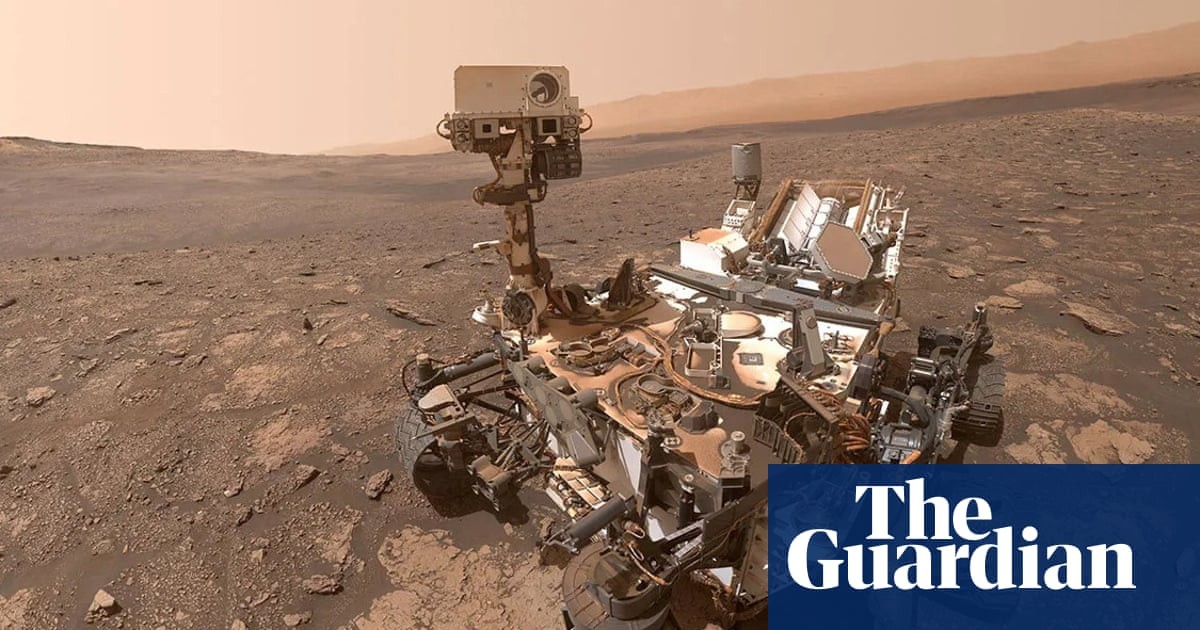
It turns out the red planet isn’t as dead as we thought. Not really.
New research suggests rivers of magma once bubbled beneath Mars’ crust. This isn’t just geology trivia. It changes the game for habitability. If true, Mars joins the list of rocky worlds that might have supported life, and maybe still do, in some form or another.
The seismic reveal beneath the Martian surface
Oxford University researchers dug into data from NASA’s InSight lander. They looked at seismic waves. These were triggered by meteorite strikes and Martian quakes. The goal? To map a mysterious boundary 15 miles deep.
That’s about 24 kilometers down.
The boundary wasn’t just a line in the sand. The data, published in Nature Astronomy, points to molten rock. Not in small pockets. But pooling deep underground. Stretching sideways for hundreds, maybe thousands of miles.
Think of it like a subterranean ocean of fire.
Beyond the isolated magma chamber myth
Scientists used to think Martian volcanoes sat on simple, isolated magma chambers. Like little underground cups. This new finding shatters that idea.
Instead, we’re looking at a complex, interconnected plumbing system.
This distinction matters. Why? Because a connected system creates a chemically complex crust. It recycles elements. It supports processes needed to generate an atmosphere. And oceans.
“Such a system would have the potential to make… the kind of processes needed to generate an atmosphere and ocean on the surface.”
Before this, we thought only Earth-like planets with plate tectonics could regulate their climate. We assumed Mars was too rigid. Too static. Too dead.
No plate tectonics? No problem?
This is the twist.
Climate regulation doesn’t require plate tectonics alone. Magma networks can do it too. This forces a re-evaluation of rocky planets we previously dismissed.
We wrote off many exoplanets as uninhabitable. Why? No plate movement. Too cold. Too unstable. Or just too geologically boring.
If Mars had these deep magma rivers, those other planets might be hiding secrets we missed. They aren’t dead rocks. They’re sleeping.
The selection of potentially habitable planets just got bigger. And more surprising.
So, which planets should we look at next? The ones we ignored because they lacked moving plates.
The crust holds the answers. The magma holds the heat. And life? Life loves heat.