The numbers jumped. 22% higher in England than the year before.
According to the UK Health Security Agency, 2025 saw 1,168 lab-confirmed Lyme disease cases. That is up from 959 the previous year. Not a statistical fluke either, considering it sits right beside the 1,151 cases recorded in 2023. The uptick isn’t an anomaly. It is a return to form.
Then there’s tick-borne encephalitis.
Two probable cases found in 2025. Only six total since the virus first turned up in the UK in 2019. Small numbers. But present.
Dr. Claire Gordon from the UKHSA points out what anyone outside the lab likely ignores: weather dictates these spikes. Awareness levels matter. Testing habits matter. When the sun shines, people go out. Ticks thrive. When the rain stays away, transmission follows. The trend isn’t breaking; it’s just oscillating with the seasons and the climate.
“Tick numbers continue to vary due to … climate trends, habitat changes and shifting.host populations.”
Ticks. Tiny spider-creatures hiding in the grass and woodlands. They feed on blood. Bird, mammal, human. No preference there really.
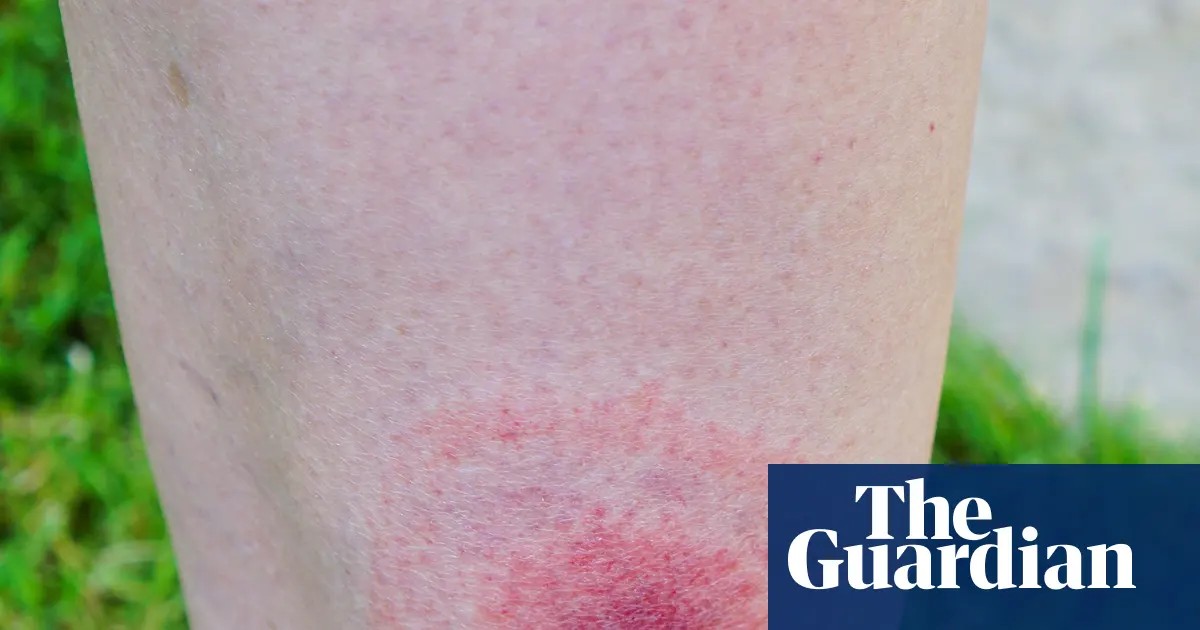
Lyme comes from Borrelia burgdorferi. A bacterium living comfortably in the tick’s gut. The symptoms are nasty enough without chronic complications. Bullseye rashes. Fevers. Joints aching so much you forget where your own body ends. Lethargy sets in. Antibiotics usually clear the acute phase. Sometimes they don’t. Sometimes the symptoms linger for years.
Prevention is the only game in town for humans right now.
Cover up. Wear light clothes so the dark bugs show up against the fabric. Spray repellent. It feels archaic compared to modern medicine. And that’s exactly where the disparity lies. Pets get monthly oral tablets. Vaccinations. Humans get a spray bottle and a reminder to check your legs.
Why?
Linden Hu, an immunology professor at Tufts, says pet owners are more willing to dose their dogs aggressively. They will medicate the animal before hesitation kicks in. Humans hesitate. Plus, running trials on people is a nightmare compared to animals. You can strap an infected tick onto a mouse in a controlled setting. You can’t force a volunteer into the woods to wait for a bite. It’s unethical. Expensive. Logistical hell.
We did try vaccines once.
LYMErix launched in the US. Phase 3 trials showed 76% efficacy. Solid numbers. But it died. Pulled in 2002. Sales tanked before the science even had a chance.
CDC advised only high-risk groups get it. Good start. Bad PR followed. Rumors linked the vaccine to arthritis. The evidence for the link was weak, non-existent even. But fear is stronger than data. The negative headlines did the heavy lifting. Demand collapsed.
Now, Moderna is back in the game with an mRNA candidate. Phase 2. Hu helped design it. Pfizer and Valneva are running their own show too.
Both are aiming to sidestep the arthritis pathway. Smart move.
Did the Pfizer trial work?
Sort of. Case counts among participants were lower than expected. Statistically messy. The efficacy looked good, over 70%, but the data wasn’t robust enough for easy approval. Regulatory agencies are going to see this submission with a raised eyebrow.
There are other paths though.
Monoclonal antibodies from Tonix Pharmaceuticals. Pre-exposure treatment. And there is lotilaner.
Hu is working with Tarsus on repurposing a drug already used for dogs and cats. This is clever because it doesn’t fight the bacteria. It fights the delivery mechanism. The tick itself.
Kill the vector. Starve the disease. Lotilaner acts fast. Tick dies. Bacteria never makes the transfer. No rash. No joint pain. No chronic Lyme.
But will Britain want a vaccine?
Julia Knight from Lyme Disease UK is skeptical. Official numbers are low because 70% of cases with that telltale bullseye rash just go straight to treatment without labs. They vanish from the surveillance data. Misdiagnosis is rampant.
The case for vaccination exists. The science is moving. But vaccine hesitancy is the elephant in the room.
“Whether people will welcome a vaccine … remains to be seen.”
Maybe we’ll accept a jab to keep the ticks at bay. Maybe we won’t.
The bugs don’t care about our hesitancy. They’re already moving through the grass.