The Moon is hungry for light right now.
It is chasing that First Quarter phase. Almost there, but not yet. Tonight it’s just a Waxing Crescent, barely thirty-seven percent lit according to NASA’s Daily Moon Guide. A modest bite of silver in the dark.
You don’t need much gear to see it.
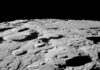
Just look up. Naked eye, unassisted. You’ll catch Mares Crisium and Fécunditatis—those dark plains on the near side. Have binoculars? Good. Look for the Endymion Crater. Got a telescope? Go nuts. You can spot the Apollo 11 landing site. Even Apollo 17.
History written in dust.
“The side we see is always the same, but the light changes everything.”
That’s how phases work. Orbit takes about 29.5 days. The Moon spins, but it shows us its face constantly. The drama isn’t motion, it’s sunlight. Angle changes. Shadows shift.
Why does this matter?
Well. We get two Full Moons this May. That’s unusual enough to warrant attention. The first came and went. The second arrives on May 31. A blue moon by calendar standards.
Here’s the breakdown of the cycle if you haven’t memorized it since school.
- New Moon: Earth, Moon, Sun line up. Dark side faces us. Invisible.
- Waxing Crescent: Sliver on the right (Northern Hemisphere).
- First Quarter: Right half lit. Classic half-moon look.
- Waxing Gibbous: Growing full, but incomplete.
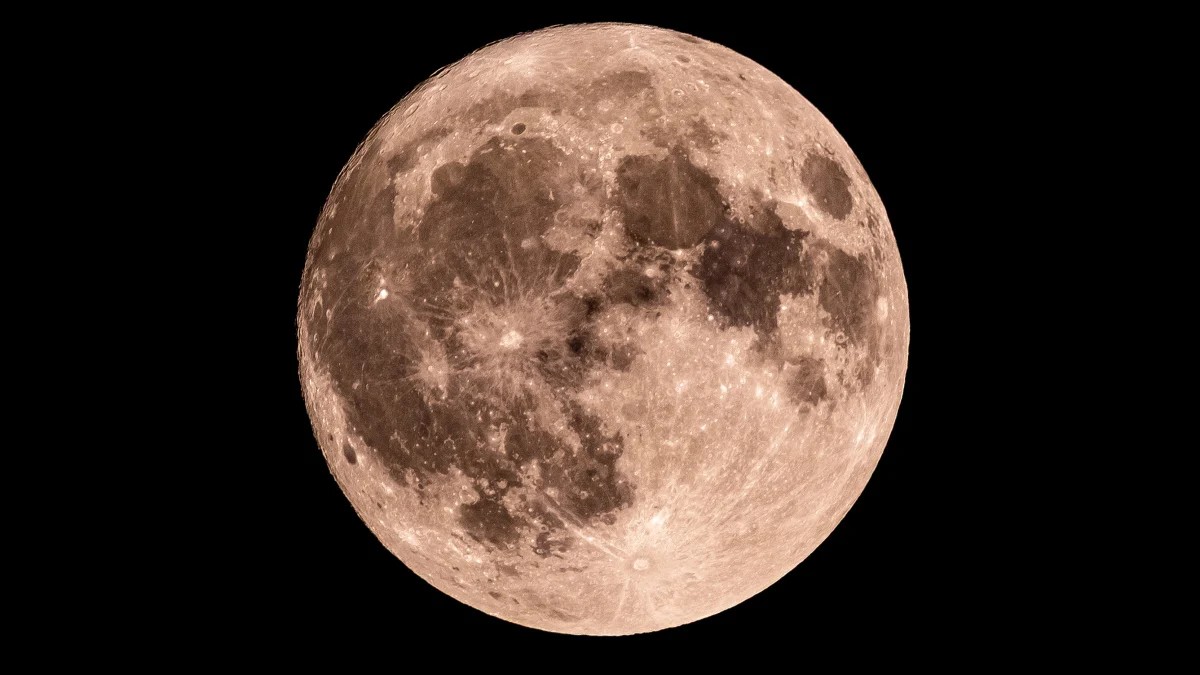
- Full Moon: All illuminated. Max brightness.
- Waning Gibbous: Light shrinks from the right.
- Third Quarter: Left half lit.
- Waning Crescent: Thin strip left before fade to black.
Eight steps. Repeat.
We watch. We wait.
Tonight it’s faint. A crescent hook. But give it a week and it’ll dominate the sky. Until then? It’s quiet. Almost hidden.
Not gone.
Just becoming.