Santa Rosa is gone. Or at least the version of it we knew is.
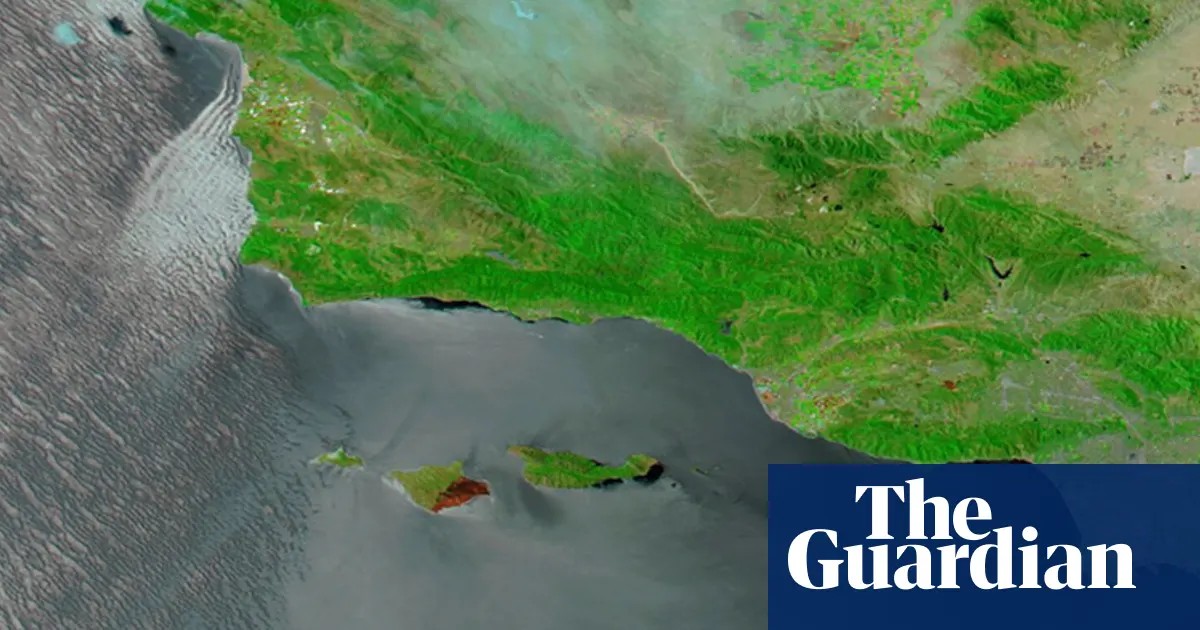
Nasa satellite imagery from May 20 shows swaths of black where vibrant scrub once stood. The Moderate Resolution Imaging Spectroraderimeter (Modis) didn’t hold back. It captured a third of the island turned to charcoal. Roughly 18,300 Acres burned. That makes it the largest fire in the island’s recorded history.
You’d expect fire on the coast. You don’t. Not like this. These landscapes evolved in isolation, cut off from California’s mainland for millennia. They aren’t fire-adapted. The ecosystems here are tender, fragile, unused to such heat.
So who started it?
A boat crash. A sailor. He rammed his vessel onto rocky shores, panicked, fired flares. The Coast Guard images tell a grim little story: the man, 67 years old, carved “SOS” into the charred dirt before a helicopter whisked him away. The flames didn’t stop with him. Strong winds fed them. The marine layer hid the view from above, killing aerial support chances. Bulldozers gouged the earth to contain the beast. They had to.
Resource advisers—biologists, archeologists, cultural experts—walked the perimeter during the fight. Their job was mitigation. Minimizing the damage of the cure to the patient. They watched where the bulldozers went, where the soil tore. It wasn’t enough to save everything. It just limited the bleeding.
“As soon as it’s safe, burned Area Emergency Response specialists will arrive.”
Ana Cholo from the National Park Service spelled it out. They’ll look at soil stability. Hydrological shifts. The infrastructure that’s still standing. The landscape is fragile now. More fragile than before. Recovery is the next battle, and no one really knows what the terrain looks like after a fire of this magnitude hits non-fire-adapted land.
The Channel Islands are called the ‘Galapagos of California.’ There’s a reason for that nickname. Endemism. Life that exists nowhere else on Earth. About 46 plant and animal species live on Santa Rosa alone. None of them found in other ecosystems. Seven plant species are federally listed. They grow in tiny pockets of fragile habitat, vulnerable to erosion and the kind of post-fire chaos currently unfolding there.
There’s damage, sure. The Torrey pines on the north-east sandstone bluffs took a hit. Those trees are incredibly rare, growing only on this island and one small stand in San Diego. But initial assessments say they are largely intact. A small mercy. The island fox, the deer mice, these subspecies that evolved separately on each rock in the chain, are facing uncertainty.
It’s not just wildlife, either. These are ancestral Chumash lands. Cultural sites stretch back over 13,00 years. Ancient. Static. Now exposed.
We monitor. We analyze. We wait.
What will grow back? Or what will we find, staring down a blank, black slope where thousands of years of isolation just ended?