Fifteen thousand kilometers. It is a staggering number. A humpback whale covered this distance. Or maybe slightly more. About 15,100 km, to be precise. It traveled from Brazil to Australia. And nobody saw it leave. Nobody watched the journey. It was a ghost for 22 years.
This particular whale had not been sighted in two decades. It is remarkable on its own.
First spotted in 2003. Off Bahia in Brazil. At the Abrolhos Bank. That is where they breed. Nursery grounds. Safe waters. Then silence. Long silence.
Then September 2025. Hervey Bay. Queensland. Same whale. New spot. The gap is 22 years and a quarter of the globe.
Stephanie Stack works on this. PhD candidate at Griffith. Co-author of the paper. She calls it extraordinary. Says it never happened before. Not in the books. Not in the data.
Happywhale caught it. That is the platform. Citizen scientists upload photos. Researchers tag them. It runs on an algorithm. Kind of like facial recognition but for tails.
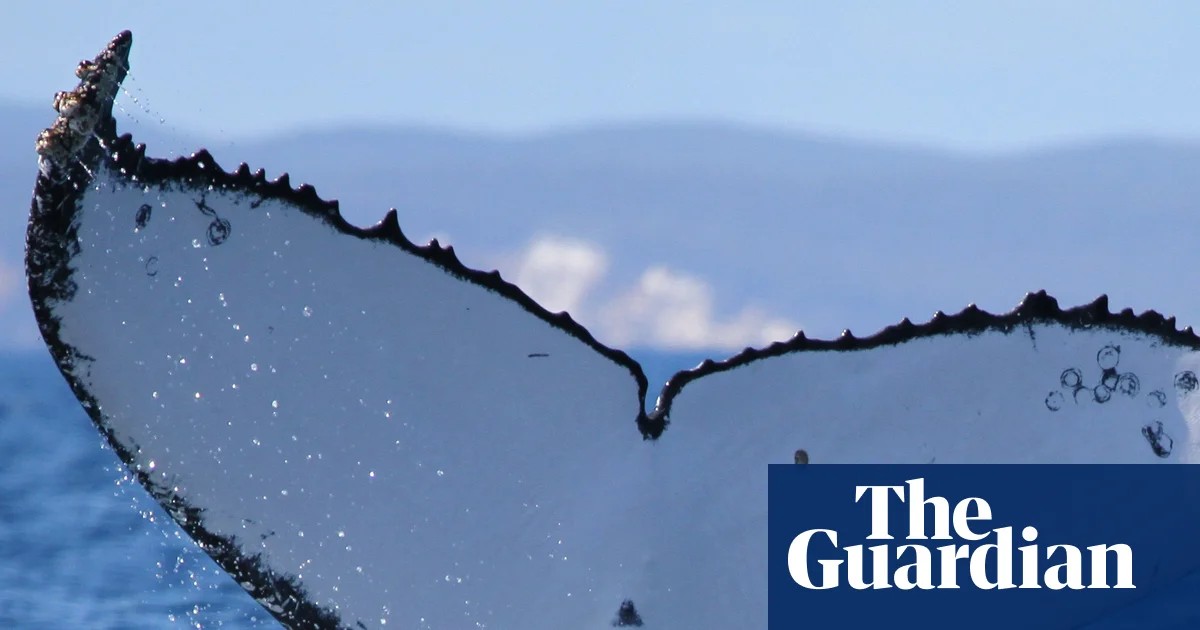
The tail is key. Specifically the fluke. Underside. Each one is unique. Like a fingerprint. Shapes vary. Black and white pigments mix differently. Scars tell stories. You can read them.
A fluke identifies an animal. It never repeats.
Ted Cheeseman helped build this system. Southern Cross University biologist. He sees the value. You don’t need to track every day. Just two points. Start and end. The middle remains dark.
Wait. There was another one. A second whale. It crossed too. But slower. Different path. Spotted in Hervey Bay in 2 populations. No wait. That is not right. Spotted Hervey Bay 2007. Spotted there again in 2013? No. Six years after 2007? No. Look again.
Actually it was photographed Hervey Bay in 207? The article says 2007 seen again Hervey Bay in 201? No. “Seen again in the same area six years later spotted off Sao Paulo.” Ah. Hervey Bay 2. São Paulo 00? Let us look closer. “Another whale… 207 Hervey… 13… six years… São Paulo.”
It seems the text has some quirks. It says one whale was spotted in Hervey in 20 and the same place 0. Six years… that adds to 9. Wait.
Let us stick to the facts given. Another whale went 2,2 km. From Australia to Brazil. That completes the circuit. Exchange of both ways. First time.
0.1 percent of all identified whales made this trip. Out of 22,083 photos taken from 4 to 20. They are anomalies.
We do not know how they got there. Stack says this. Only two points exist. We have the start. We have the end. We lack the story in between. The route is unknown. Straight lines on maps do not follow water. Ocean currents shift things.
They swim further than the chart shows. Probably. Always further.
Usually humpbacks do loops. Antarctica feeding grounds. Great Barrier Reef breeding grounds. Back again. A full loop 1 km. Routine. Predictable. Boring, almost.
This 22-year journey defies the norm. Maybe single-lifetime events. Not a yearly commute. Rare shifts.
Conservation requires collaboration. Animals do not respect borders.
The point stands. Oceans connect us. Whales move freely. We must too. At least on paper. At least in policy.