In an unprecedented move to break the diplomatic stalemate surrounding global climate policy, approximately 60 nations are convening in Santa Marta, Colombia. This gathering marks the first coordinated effort by a group of countries to plan a structured transition away from coal, oil, and gas—a goal that has repeatedly stalled during United Nations climate summits.
Breaking the “Veto” Cycle
For years, the primary mechanism for global climate action has been the annual UN COP (Conference of the Parties) summits. However, these meetings operate on a principle of consensus, meaning a single major fossil fuel producer can effectively veto any collective decision. This structural flaw was laid bare at COP30 in Brazil, where negotiations for a fossil fuel roadmap collapsed because several oil-producing nations refused to agree to the terms.
The Santa Marta meeting represents a strategic shift in diplomacy. Rather than attempting to force a global consensus that may never come, this “coalition of the willing” aims to create a functional blueprint for transition that can eventually expand.
Key Participants and Missing Powers
The group attending the Colombian talks is significant, as it includes several major energy producers such as Colombia, Australia, and Nigeria. Together, these nations account for roughly one-fifth of the global fossil fuel supply.
However, the coalition faces a massive challenge: it currently excludes the world’s largest economies and energy consumers, specifically:
– The United States
– China
– India
The absence of these three giants means that while the coalition can set a precedent, its immediate impact on global emissions will be limited until these major powers are brought into the fold.
The Urgency: Science and Geopolitics
The drive for this meeting is being fueled by two converging pressures: environmental necessity and geopolitical instability.
1. The Approaching Climate Tipping Point
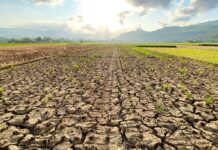
Climate scientists warn that the window to prevent irreversible damage is closing. Professor Johan Rockström of the Potsdam Institute for Climate Impact Research notes that the world is likely to breach the 1.5°C warming limit within the next three to five years.
“Breaking through 1.5°C means we enter a far more dangerous world—with more frequent and intense droughts, floods, fires, and heatwaves,” warns Prof. Rockström.
2. Energy Security and Volatility
Beyond the environmental crisis, global conflicts—particularly in the Middle East—have highlighted the inherent risks of fossil fuel dependence. Recent volatility in the Straits of Hormuz has caused oil prices to fluctuate, prompting a realization among many nations that energy independence is tied to renewable energy. This shift is already visible in consumer behavior; for instance, there has been a sharp rise in electric vehicle demand in Europe as people seek to decouple themselves from volatile oil and gas markets.
Looking Ahead: From Santa Marta to COP31
The goal of this meeting is not to replace the UN process, but to complement it. By demonstrating that a transition to clean energy is both technically feasible and economically secure, the coalition hopes to influence the “fence-sitters” among the world’s nations.
The outcomes from Santa Marta are expected to play a vital role in the roadmap being developed by Brazil. This roadmap will serve as a critical foundation for the upcoming COP31 in Turkey next November.
Conclusion
By forming a specialized coalition, these 60 nations are attempting to bypass the diplomatic paralysis of the UN to create a practical roadmap for the energy transition. While the exclusion of major powers remains a hurdle, the movement seeks to prove that a shift toward renewables is the most viable path to both climate stability and national energy security.