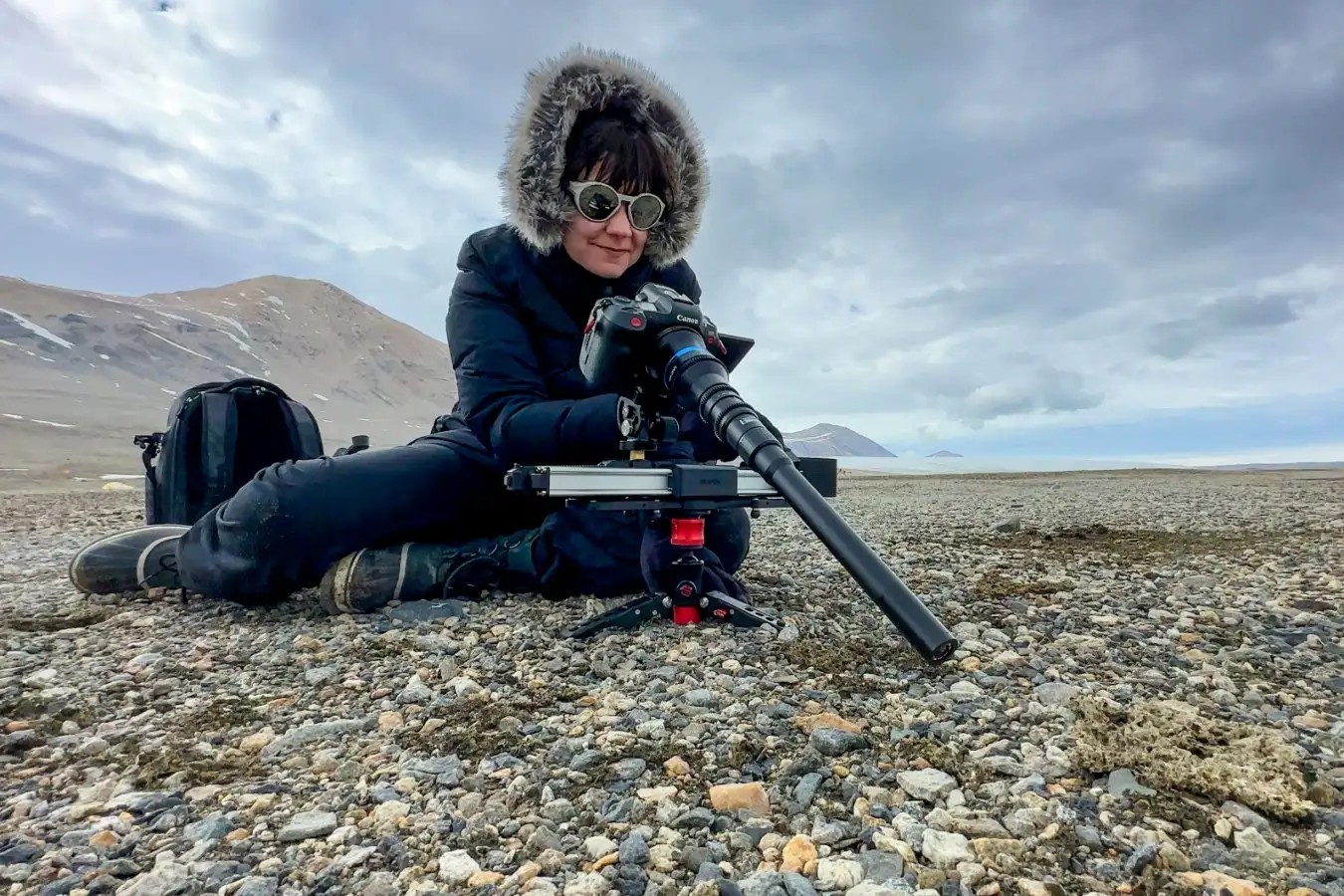
Ariel Waldman stands alone on a rock.
It looks like the Red Planet.
Shards of stone. Barren dirt. Jagged peaks streaked with ice overhead. The sun hangs far away, pale behind a haze. She smiles. She is in Antarctica.
Specifically, the dry valleys. Brown earth trapped between ancient glaciers. In her new PBS docuseries Life Unearthed, she argues a bold point: Earth is stranger, more alien, than we admit.
Not because it’s from space.
But because we can’t see most of it.
The hidden jungle
Waldman embedded with a soil-science team in the south.
She brought the gear.
Microscopes. Macro probe lenses for deep fields. A drone. Camera mounts that defy gravity. She filmed the “unsung” wildlife. She filmed herself doing the work. The result is a record of an ecosystem tearing itself apart, sometimes violently, due to climate change.
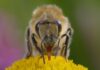
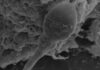
The journey stretches from the Antarctic valleys to the soggy North American prairies. She shows us the invisible architects: nematodes. Rotifers. Tardigrades. Tiny beasts that nourish the ground while hiding in plain sight.
Did she have a crew for the Antarctica leg?
No.
She shot it all solo.
Why look down?
Back in her San Francisco office. Surrounded by cabinets of glass and metal.
Waldman explains the urgency. She wants to chronicle these environments before they vanish. “If you want to film the dry valleys, you need a microscope,” she said. Without it, there is nothing to see. The prairies are the same. The biomass isn’t on top. It’s in the muck below.
She serves as curator for the San Francisco Microscopical Society. Her goal is simple but radical.
Look at the dirt as often as you stare at the sky.
She thinks about life on other moons. Our best bet? It will be microscopic. In Life Unearthed, we see tardigrades—water bears. Puffy legs wiggle under the lens. They bump into plant cells. They survive Antarctica’s freeze. They survive the vacuum of space.
Who wouldn’t like a space-turtle that fits under a lens? 🐻
They are proof. Characters from beyond our atmosphere might already be right here, hiding in the soil.
Designing the invisible
We met when she worked with NASA on Spacehack. Connecting citizens to space projects. She introduced CubeSat—DIY satellites launched by enthusiasts. Later she founded Science Hack Day. Global collabs for code and data.
We became friends.
I saw her the day before she flew to the pole. She was panicked.
How do you pack microscopes for Antarctica?
She isn’t an academic researcher by training. Her background is graphic design.
That changes everything.
She doesn’t just want data. She wants people to see it. She wants you to buy a cheap lens. To “throw things under it.” When you see life in its full diversity, the urge to protect it becomes natural. You can’t save what you cannot see.
Scale matters
Think of the 1977 Eshort Powers of Ten. Zoom in. Zoom out.
Waldman believes scale is how we find our place. Drones for the sky. Microscopes for the soil. When chasing prairie crayfish? A camera on a wire. Snaking through clogged-pipe cables into underground burrows.
“We are both very small and very large,” she mused.
Depends where you stand.
Technology reveals the truth. Most of life is invisible without it. Life Unearthed ends without a bow. Just a suggestion. Pick up the lens. Look down.
The world beneath your feet is waiting.