Homer acquires you.
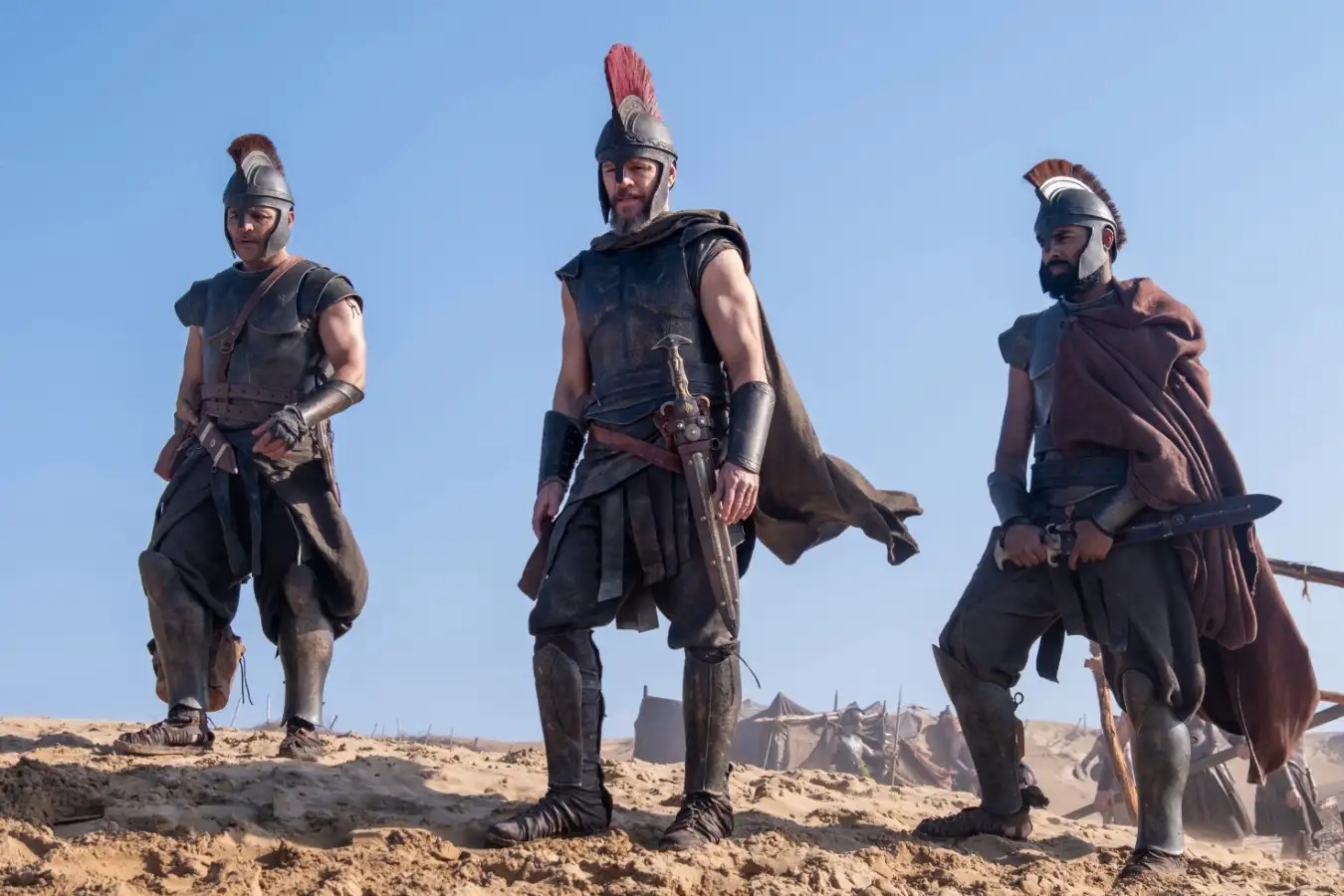
At least that is the argument. Adam Nicolson makes the case in The Mighty Dead: Why Homer matters, a love letter to those two ancient monsters: the Iliad and the Odyssey. With Christopher Nolan’s film adaptation on the horizon, the timing is weird. Essential, maybe. If you care about the weight of the story, you need context. Nicolson provides it.
Three Threads of Dust and Ink
The book moves in three distinct directions. First, Nicolson gets philosophical. He treats Homer not as a single ghost but as a chorus spanning generations, wrestling with the clash between civilization and depravity. The fascination is generational. John Keats loved Homer, his poem Endymion inspiring the title itself. Alexander Pope translated him, leaving much to be desired, which says more about translation than the source text.
“You don’t acquire Homer; Homer acQUIRES you.”
Then the book drops anchor. Real ground. Tangible. Nicolson parses the Greek text, tracing linguistic shifts back to Linear B from the Mycenaean era. He argues for an earlier composition date. We usually think of the poems as written later. Nicolson pushes them back to the oral tradition, suggesting roots as early as 2000–1800 BC. The standardized text we read? Just the tip of a very old iceberg.
Evidence is scattered across the ancient Mediterranean. Not just words. Things.
A papyrus from Hawara in Egypt. Found around AD 150.
A pottery shard from Ischia. 8th century BC, one of the earliest written Greek fragments.
The shaft graves of Mycenae. They speak of the world before the Bronze Age collapsed, offering a glimpse into a realm Nicolson portrays not for historical accuracy but for its cultural gravity. These were myths, sure, but they were the myths that connected people to a nomadic, warrior-past.
Ghosts in Museums
Nicolson cares less about whether Troy was real than the world that dreamed it. It creates a portrait of an ancient society where the past was not dead. It was a living tether.
Reading this reminds me of Crete. Specifically, the honeymoon museum crawl.
In Heraklion, there was a boar-tusk helmet. I remember the texture. In Book 10 of the Iliad, Odysseus wears one. It feels small to notice, but it grounds the myth in mud. In dirt.
The Mighty Dead contends that this world is still around us. It is not gone. If we know where to look, the artifacts remain. We walk among the remnants.
The film is coming. The helmets are in museums. The language is ancient, but it still holds.
Does the cinema screen have room for such depth? Maybe. Maybe not. That is a question for another day, after the lights come up.