The universe is full of ghosts.
They aren’t the scary kind. Not yet. We are talking about neutrinos. “Cosmic ghosts.” Chargeless. Nearly massless. They don’t care about you. One hundred trillion pass through your body every second. Almost light speed. Over an entire lifetime? You get one interaction with your atoms. Maybe. If you’re lucky.
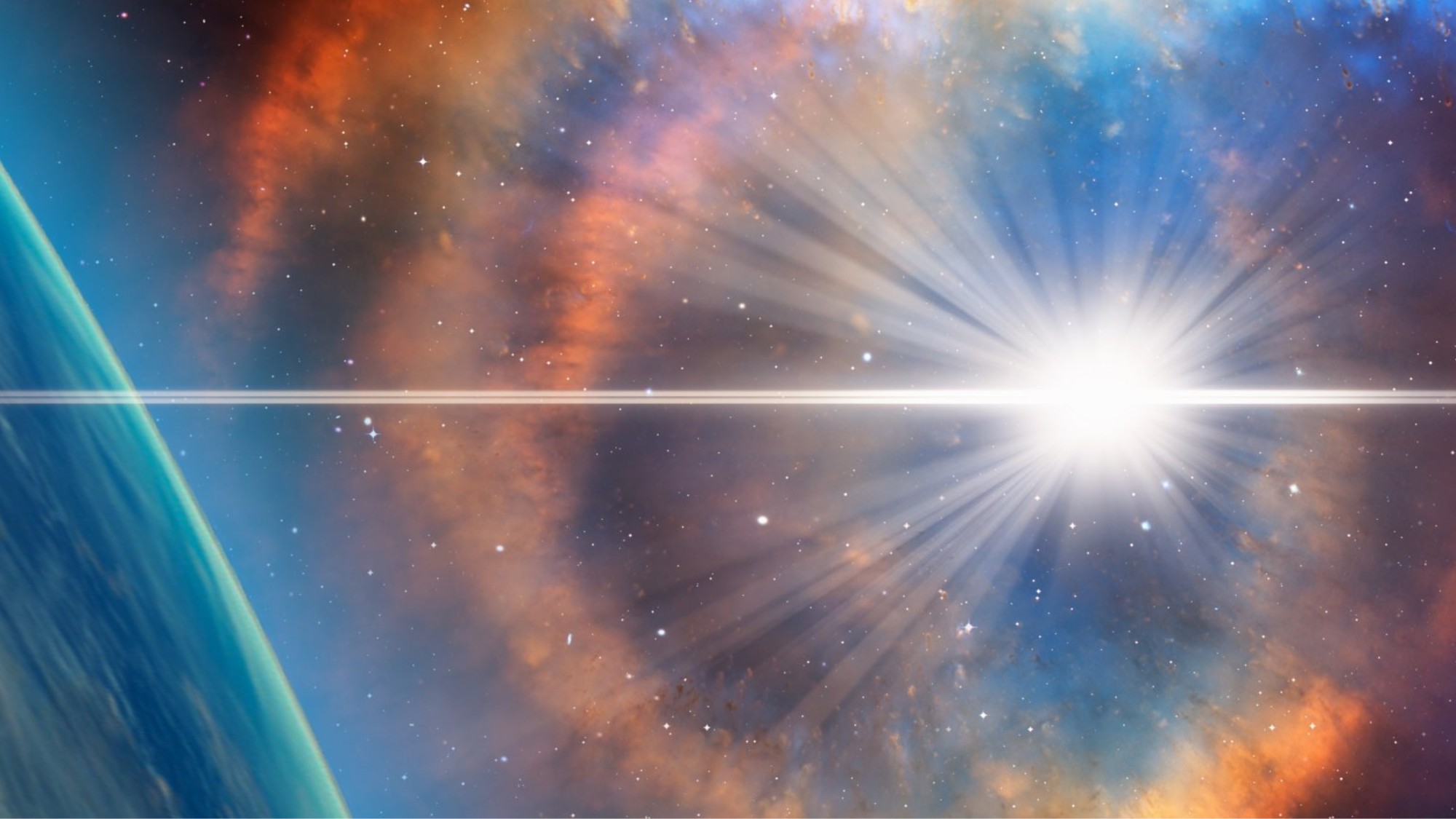
New data suggests these particles carry secrets. Whispers, really. From stars that blew up billions of years ago. Supernovae.
It changes how we see the lifecycle of stars. And the heavy stuff in them. The metals. Things heavier than hydrogen and helium? Forged in death. This might finally help us understand the birth of black holes too. And neutron stars. When the big stars die, something takes their place. Now we have a hint of how.
Hearing the Silence
It came from Deep Down. Literally.
The Super-Kamiokande detector. Buried 1,000 meters underground in Japan’s Gifu Prefecture. It’s huge. 50,000 metric tons of ultra-pure water. The largest neutrino detector on the planet.
They looked for the Diffuse Supernova Neutrivo Background (DSNB).
DSNB sounds dry. It isn’t. It is the accumulated roar of 13 billion years of exploding stars, faded to a whisper by time and distance. Suppernovae go off every second across the cosmos. They’ve been doing it since the early days. The neutrinos add up. They build a background hum. Until now? We couldn’t hear it.
The Super-K team looked at almost 14 years of Cherenkov light data. That glowing blue flash that happens when neutrinos smash into water molecules. They found a signal. A specific flux.
It matches what we expected for DSNB.
“Observing the world’s first indication… is a deeply meaningful achievement.” Hiroyuki Sekiya, University of Tokyo. He’s not one for exaggeration. It’s a goal that has chased this project from the start.
“It’s been a long-cherished goalsince the beginning of the project.”
The Bang Becomes a Whisper
Stars die violently. Then they go quiet.
Most of this research focuses on “core-collapse supernovas.” These are the big ones. Stars way heavier than our Sun.
They live by fusing elements. Turning light into heavy. Up until iron. Iron is a wall. You can’t fuse it for energy. Once the core is pure iron? Game over. The outward push stops. Gravity waits. And gravity always wins.
The core collapses. Instantly.
Shockwaves rip through the star. Layers get peeled off and ejected. A supernova blast. The center becomes a neutron star or a black hole. The rest flies outward, seeding space with the metal that makes planets, rocks, and blood.
Most of that energy leaves as light. Photons. Visible across the spectrum.
But 99% of the energy? It leaves as neutrinos.
That’s why they are here now. A century of explosions in one second. All those neutrinos traveled across the dark. Accumulated. Created the DSNB. Faint. Very faint.
This new detection? It’s not proof yet. The signal is weak. It needs confirmation.
But it’s there.
Humanity’s first hear of that ancient chorus. It feels like a shout in an empty room, except the room is the whole universe, and the voice is from thirteen billion years ago.
We listened. And something answered.
Just a whisper for now.
Will it grow louder? Probably. But for the moment, that’s enough. Just knowing the ghosts are singing.