It’s rare. It’s deadly. And right now, it’s on a ship.
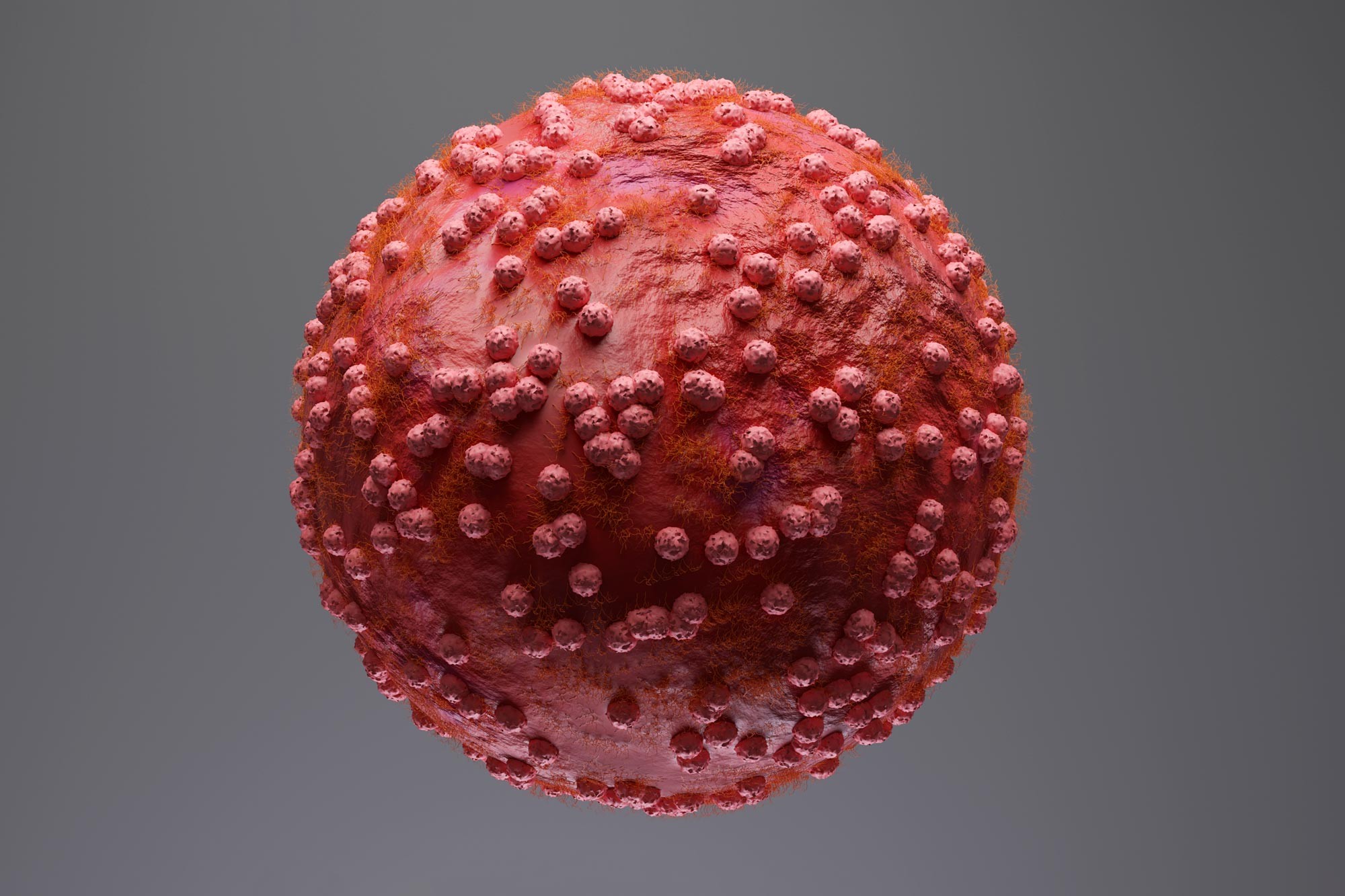
The MV Hondius, an expedition cruiser in the South Atlantic, is ground zero for an unusual health crisis. Three passengers are dead. Others are sick. The culprit? Andes virus, a specific strain of hantavirus.
Most hantaviruses stick to their rodent hosts. They don’t want humans. But this one is different. It can jump between people. Not through a casual cough across the street. Through close contact. Bodily fluids. The kind of intimacy you share with a family member in a tiny cabin.
Global health officials are watching closely.
Not Your Average Bug
Hantavirus isn’t a single thing. It’s a family.
In the Americas, it causes hantavirus pulmonary syndrome (HPS)—lung failure, high fever, death if untreated. In Asia, Africa, and Europe, it usually triggers hemorrhagic fever with renal syndrome (HFRS)—kidney damage and bleeding. The U.S. has its own villains: Sin Nombre virus in the West, New York virus in the East. The kill rate for HPS is steep. Around 40% for severe cases.
Who carries it? Small rodents.
You get infected by touching them. Eating what they touched. Breathing air thick with their dried urine or feces dust. That last part happens when you sweep up in a cluttered shed. It’s an aerosol problem. Until now, humans were mostly dead ends for the virus. Dead ends that occasionally passed it on, yes, but rarely enough to make waves.
Andes virus makes waves.
Why Cruise Ships?
Space.
Confined spaces accelerate transmission. On the Hondius, sick passengers were likely sharing cabins with family. Close proximity. Shared air. Shared towels.
Don’t confuse this with the flu or SARS-CoV-2.
Measles flies on air. It jumps through ventilation shafts. Andes virus does not. It’s not airborne in the same sense. The reproductive number (R0) for SARS-CoV-2 peaked at 15–20 during the worst of the pandemic. Andes? Fewer than one. One infected person rarely infects even a single other person under normal circumstances.
The ship changed the math.
So why does this matter outside the ocean?
“Public health and sanitation efforts… can create a false sense of safety.”
The Rural Myth
We think of hantavirus as a farmhouse problem. Rodents in the attic. Barns. Silos.
In the U.S., strict sanitation keeps those rodents out of city centers. But that safety is an illusion if you travel.
Outside developed nations, rodent control isn’t as tight. The virus waits. It doesn’t care about geography as much as it cares about contact. If a hotel room in Peru or a cruise terminal in Chile has a rodent infestation, the risk isn’t theoretical. It’s right there in the droppings.
Think you’re safe in the city? Maybe. Maybe not.
The Signs
It starts like the flu.
Fatigue. Muscle aches. Fever. Dizziness. Maybe a stomachache. You’d write it off as food poisoning or a bad sleep cycle. It usually appears 1 to 8 weeks after exposure. That window is long enough for a ship to cross an ocean.
Then it drops a hammer.
Four to ten days after symptoms start, the lungs go into trouble. Coughing turns to shortness of breath. Then respiratory failure. This is hantavirus pulmonary syndrome showing its teeth.
Testing works. But wait until 72 hours after symptoms begin. Test too early and you get false negatives.
No Silver Bullet
Is there a vaccine? Not really. Not for the ones that hit us.
New World hantaviruses—like Andes—have no approved shot. Research groups are working on it. They have ideas. But nothing’s in your arm yet. Old World vaccines exist. They protect against Eurasian strains. They won’t help you against Andes.
Treatment is brutal and simple: support the body while it fights. Mechanical ventilation. Intubation. You keep them alive. You let their immune system do the work. If they survive, they’re lucky. If not… well, the ship carries on.
A Hard Lesson
This outbreak should sting.
Not just for the victims. For the industry.
Rodents and humans don’t mix well in enclosed spaces. But we ignore the warning signs until someone is on a ventilator. Doctors assume it’s just the flu. It might be. It might not be.
Assuming a cough is harmless is a gamble. And sometimes, the house wins.
What happens when the ship docks? Who checks the luggage? Who asks the questions that don’t have easy answers?