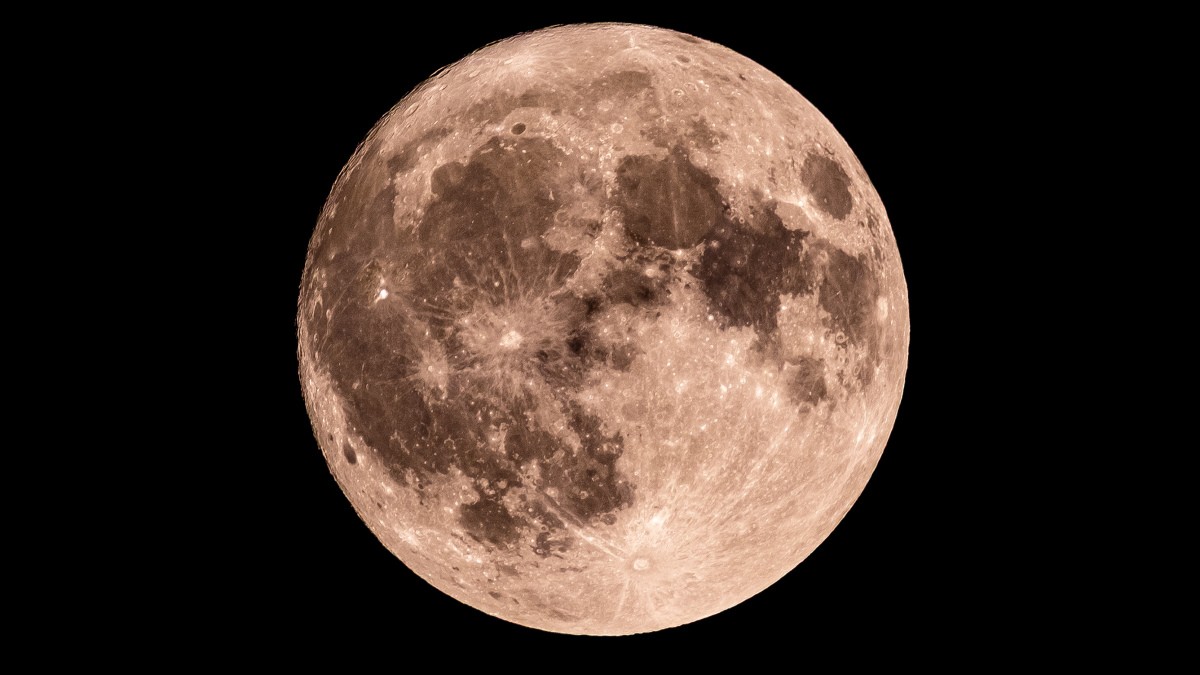
It was dark for a while. Now it’s coming back.
A faint crescent is teasing its way out from the recent New Moon darkness. Barely visible now. It gets easier every night though. Just look up.
What we see tonight
Thursday, June 18. The phase is Waxing Crescent.
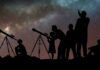
NASA says 23% of the surface is lit. That’s not much but it’s there. With just your eyes—no gadgets—you’ll catch Mare Fecunditatis and Mare Crisium. Those are the smooth plains on the near side. Got binoculars? A telescope? Try spotting the Endymion Crater. It’s a classic target.
Why wait until it’s huge?
The next Full Moon won’t hit until June 29. That’s a full eleven days away. Plenty of time to practice spotting the bits that aren’t lit yet.
Why the Moon changes
It’s a simple orbit. About 29.5 days to circle Earth. One lap equals a lunar cycle.
The Moon keeps the same face turned toward us—tidal locking, basically. But the Sun shines from different angles as it travels. More light. Less light. Different shapes. That’s all it is.
The Moon doesn’t change shape. Our view of its lighting changes.
Here’s how the wheel spins. Northern Hemisphere perspective:
- New Moon : Earth is between Sun and Moon. Or wait—the Moon is between Earth and Sun. Dark side faces us. Invisible.
- Waxing Crescent : A sliver appears on the right. Growing.
- First Quarter : Half lit on the right. Looks like a C. Or a smile, depending on your mood.
- Waxing Gibbous : More than half. Getting bright.
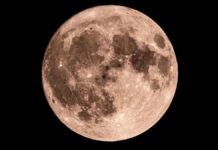
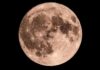
- Full Moon : Total illumination. Blinding, almost.
- Waning Gibbous : Light starts to die on the right edge.
- Third Quarter : Half lit, but now on the left. The opposite of First Quarter.
- Waning Crescent : A final sliver on the left before the plunge into blackness again.
The cycle restarts. It’s reliable. Almost annoying how reliable it is.
Tomorrow will show 25% or so. The day after that, a bit more. The shadow shrinks. The light expands.
Nothing really changes in the universe, just the angle.