Tuesday, May 19. The moon is back. Barely.
It’s a Waxing Crescent tonight. NASA says we’re looking at just 9% illumination. That’s it. A tiny sliver on the right side. Can you see the craters? The mare? Don’t count on it. It’s too dark, too faint for surface details. You’ll just see the ghost of a curve hanging there.
Is that a lot of light?
No. It’s nothing, really. But it’s the start. The orbit continues. The cycle keeps turning.
Next up
There are actually two Full Moons in this May. Crazy, right? One happened, now we wait for the other. It drops on May 31. That’s the big show. Right now? We’re just watching the buildup.
How the whole thing works
Twenty-nine point five days. That’s how long it takes to loop back around Earth. Eight phases. Same face always looks at us, but the light shifts as we move. Sun hits it from different angles. That’s all. That creates the drama in the sky.
Here is the breakdown. Keep it simple:
- New Moon : Dark side forward. Between us and the sun. Invisible. Gone.
- Waxing Crescent : Sliver on the right. We’re in it.
- First Quarter : Half lit. Right side. Looks like a semi-circle.
- Waxing Gibbous : Getting fuller. More than half. Not quite there yet.
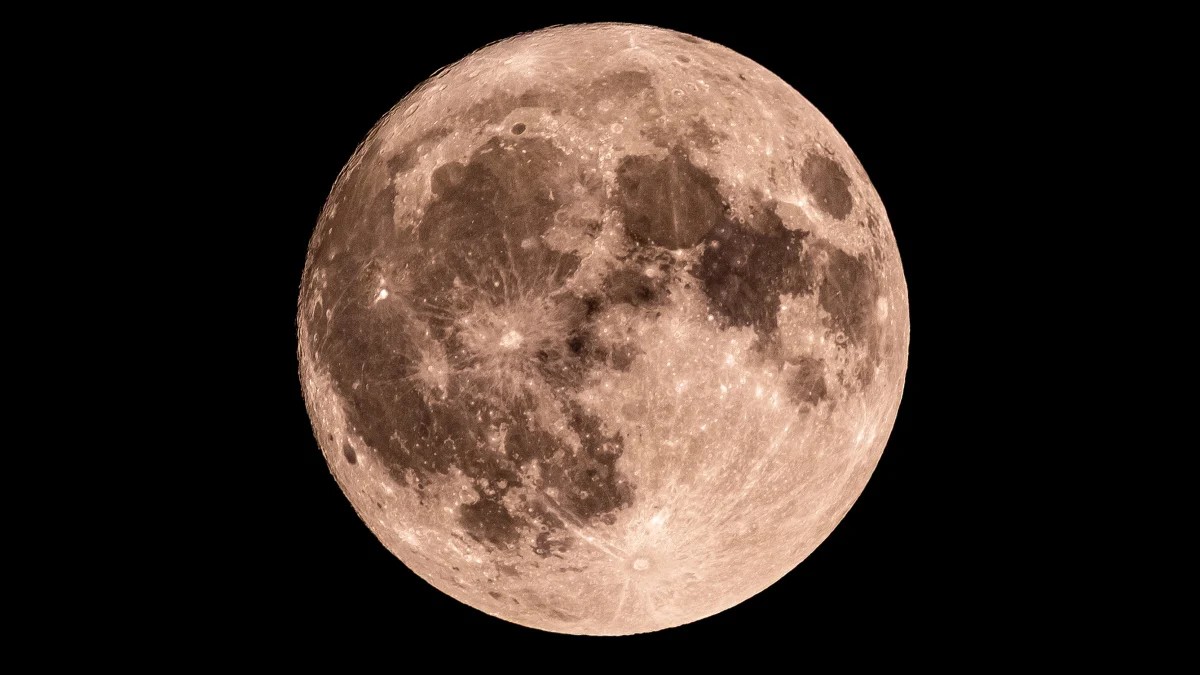
- Full Moon : The whole face. Bright.
- Waning Gibbous : Losing light. Starts on the right.
- Third Quarter : Half again. But now the left side is lit.
- Waning Crescent : Last sliver on the left. Then the dark returns.
The pattern repeats. Over and over.
We look up, see the curve, wonder what else is hidden in that dark 91%. Probably more than we expect.
The Moon takes around 29.53 days to complete one cycle.
It doesn’t hurry. Why should it?
We just watch.