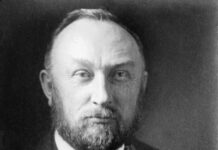
Most people know Albert Einstein for his wild hair and the equation $E=mc^2$. They picture the genius in a lab coat, detached from the messy reality of human emotion. That image is wrong.
Einstein’s personal life was a tangled knot of love, betrayal, and tragedy. It wasn’t a smooth arc. It was messy.
He was raised in a secular Jewish family in Germany. His only sibling was a sister named Maja. She was two years younger. They were close. But the rest of his relationships? Less so.
In 1903, he married Mileva Marić.
She wasn’t just a wife. She was a Serbian physics student. They had met at school in Zürich. Back then, physics was a men’s club. Mileva was one of the few women in the program. Einstein admired her intellect. Some historians even argue she helped with his early work.
They had three children together.
The first, Lieserl, was born out of wedlock before their marriage. The details are murky. Some records suggest she died young. Others say she was given up for adoption. We may never know for sure.
Then came two sons. Hans Albert and Eduard.
Life wasn’t stable. Einstein’s obsession with his work pulled him away. Mileva felt abandoned. The marriage fractured.
By 1919, the unrest had become unbearable. They divorced.
But Einstein wasn’t done complicating things.
During his marriage to Mileva, he had started an affair. With his cousin, Elsa Löwenthal.
Elsa was older. She was also his first cousin on his mother’s side. They had known each other since childhood. The affair had been ongoing for years.
In 1919, the same year he divorced Mileva, Einstein married Elsa.
It wasn’t a grand romantic gesture. It was a practical arrangement. Elsa managed his life. She handled the publicity. She kept the chaos at bay.
Einstein was a man of science. But his home life was anything but logical.
He lost Lieserl early. The tragedy haunts his biography. We don’t have the full story. Maybe she died of scarlet fever. Maybe she was abandoned. The records are silent.
Hans Albert became an engineer. Eduard struggled with mental illness. He was diagnosed with schizophrenia. Einstein visited him often. He felt guilt. He knew he wasn’t there enough.
The marriage to Elsa lasted until her death in 1936. It was stable. But it was built on the ruins of his first marriage.
Why does this matter?
We tend to separate the scientist from the man. We want the pure genius. The detached observer.
But Einstein was human. He made mistakes. He hurt people. He loved poorly.
His story reminds us that even the greatest minds are flawed. They bleed. They break hearts. They leave daughters behind in the dark.
The science stands. The equations hold. But the man? He was complicated.
And that’s the real story.