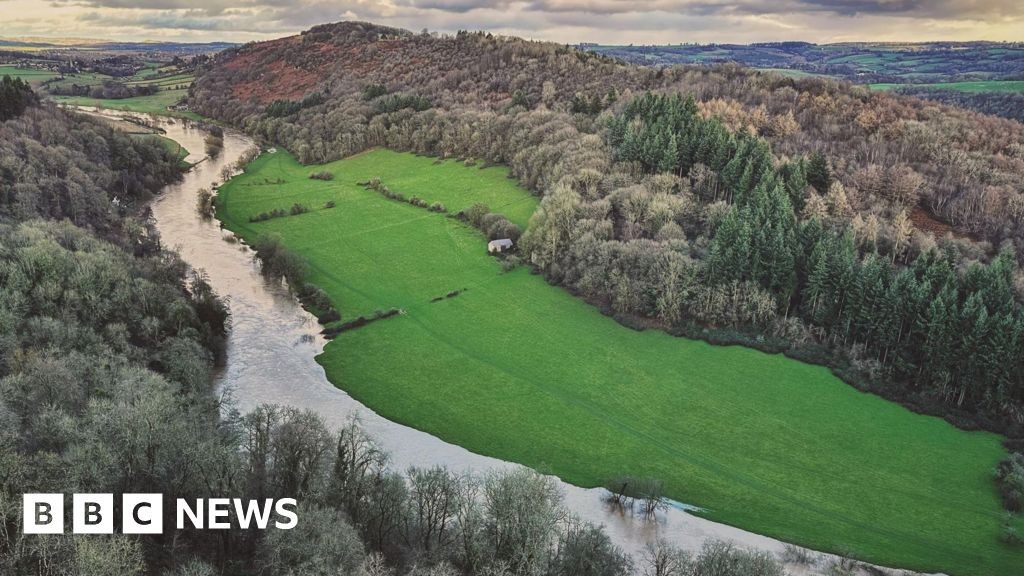
A legal battle of unprecedented scale is unfolding in the UK High Court, as more than 4,500 residents and business owners seek justice for the degradation of the River Wye and its tributaries, the Lugg and Usk. The massive group action targets Avara Foods, one of the UK’s largest poultry producers, and Welsh Water, accusing them of systemic pollution that has devastated local ecosystems and economies.
A River in Crisis
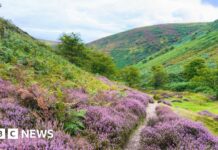
The River Wye, historically one of the UK’s most celebrated waterways, has undergone a visible and unpleasant transformation. Local residents and business owners describe a river that, during summer months, becomes smelly, slimy, and covered in thick green algae.
This “algal blooming” is not merely an aesthetic issue; it represents a fundamental shift in the river’s chemistry. The legal claim alleges that the pollution stems from two primary sources:
– Agricultural Runoff: The spreading of chicken manure on nearby arable fields, which leaches high levels of phosphorus, nitrogen, and bacteria into the water.
– Sewage Discharges: Spills from water infrastructure that contribute to the nutrient overload.
“That just isn’t what this river should look like, feel like, or smell like,” said lead claimant Justine Evans, a wildlife filmmaker. “There’s been systemic failure… the only course of action is to take legal action and make polluters pay.”
The Scale of Industrial Farming
The controversy is deeply tied to the rapid expansion of industrial poultry farming in the Wye catchment area. Currently, approximately 24 million chickens —roughly a quarter of the UK’s total population—are raised in massive sheds within this region.
While local farmers are the ones physically spreading the manure as fertilizer, the legal team from Leigh Day argues that the responsibility lies higher up the supply chain. They contend that Avara Foods and its subsidiary, Freemans of Newent, orchestrated the expansion of production while knowing the environmental consequences would follow. The claimants argue that those who profit from the supply chain must be held accountable for its ecological footprint.
Economic and Ecological Fallout
The environmental decline is translating directly into economic loss, particularly for those tied to the river’s natural resources.
The Impact on Local Livelihoods:
- Fishing Industry: Salmon populations, once a staple of the Wye, are in a critical state.
- Tourism and Recreation: As the river becomes less viable, anglers and visitors are disappearing.
- Local Businesses: Those whose livelihoods depend on the river’s health are seeking compensation for the damage caused by the declining water quality.
Nathan Jubb, a local fishing manager (gillie), noted that while salmon populations have plummeted, the presence of thick algae makes it nearly impossible to even locate the fish, driving anglers away from the area permanently.
The Defense: “Misconceived” and “Misguided”
Both defendants have strongly contested the allegations:
- Avara Foods has dismissed the claims as “misconceived,” stating they believe the lawsuit lacks a proper scientific basis. The company maintains that river health is influenced by a variety of factors and noted that phosphorus levels have actually decreased since the 1990s.
- Welsh Water described the case as “misguided,” highlighting its significant investments in nutrient reduction. The company reported spending £76 million between 2020 and 2025, with plans to invest an additional £87 million through 2030.
Why This Matters
This case is being viewed as a landmark legal moment for UK environmental law. If successful, it could set a powerful precedent for how “supply chain responsibility” is defined, potentially holding large corporations liable for the environmental impact of the agricultural practices they fund and control.
Conclusion: This massive group action represents a critical test of whether large-scale industrial producers and utility companies can be held legally responsible for the cumulative environmental damage caused by their operations.