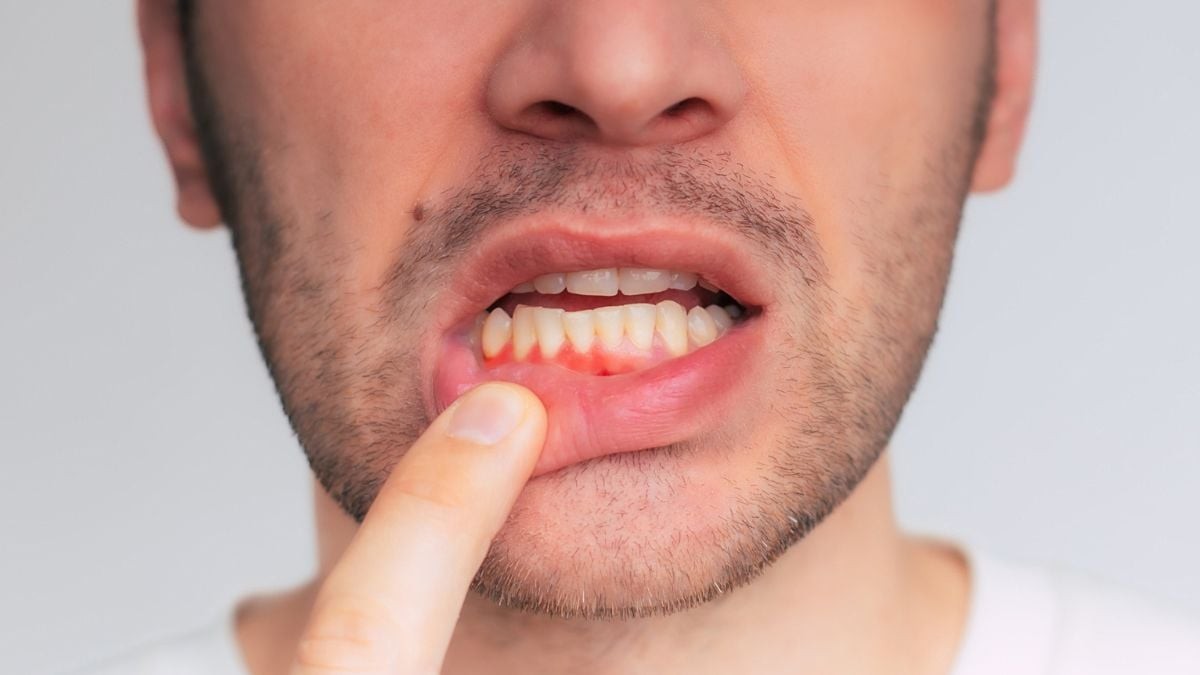
Oral hygiene isn’t just about smiling for the camera. Keeping teeth clean helps the whole body stay in line. We know this. Yet. The idea of curing gum issues with sugary candies usually gets a hard pass. Candy is bad for teeth. Logic holds up there. But science rarely plays by the usual rules.
The Bacterial Shift
Researchers at the Institute of Science in Tokyo decided to flip the script. They didn’t use live probiotics. Those are fragile. Instead, they used postbiotics. Basically. Dead bacteria. Specifically Lactiplantibacillus pentososus. The goal wasn’t to kill all microbes, as we used to do, but to restore balance. Eubiosis. A symbiotic mouth environment that keeps the bad guys from throwing a party.
Why gummies? Chewing stimulates saliva. Saliva prolongs contact with the bacteria. It’s sticky. It lingers. And people actually eat them. Adherence matters. If it’s tasty, you’ll take it. If it tastes like chalky medicine, you won’t.
“Postbiotic-based approaches can support the management of gingival inflammation,” the study notes.
Six Weeks. One Trick.
They tested 116 people. Half got the real deal. The other half? Placebos. They didn’t know. Neither did the researchers checking the results, ideally, though the prompt implies standard randomization. Over six weeks, the groups chugged these treats twice a day. No extra brushing instructions were given. None at all. This mimics real life. Messy. Real life where you forget your floss.
The results were… present. Bleeding on probing (BOP) is the standard metric for inflamed gums. The active gummy group saw their bleeding drop from 17.6% to 12.3%. A decent jump. But the placebo group? They improved too. From 18.9% down to 16.6%.
Was the bacteria magic? Maybe. Or maybe the act of chewing sweet things helps gums breathe better than doing nothing at all. The study says the improvement in both groups supports the external validity of the treatment. In other words, it works in the wild, not just in a lab where you’re forced to brush twice a day for three hours straight.
Not a Silver Bullet
Here’s the rub. The difference between the two groups was statistically significant, yes. But was it monumental? Hard to say. It’s a modest win. Postbiotics are easier to store and make than live cultures. That’s a win for manufacturers. Stability counts. Heat kills the bugs but leaves their structural benefits intact, apparently.
One might wonder if the sugar in the gummy cancels out the good bacteria. The researchers don’t explicitly flag this as a major failure in this specific text, but it’s always there, lurking. Like bad breath after coffee.
The gap is narrow. 5.3% drop for the active group versus 2.3% for the placebo. Both got better. Both started bleeding. The active treatment helped more. Is that enough?
The Big Picture
Severe gum disease risks up to 1.5 million people by 2050. Wait, 1.5 billion. Yeah. Big number. If a simple snack can nudge those odds slightly downward, it might matter. We don’t have the long-term data yet. The team plans to look deeper. How does it actually work on a cellular level? Can we keep it up for a year?
We don’t know yet. Science moves at its own pace. For now, it seems that eating dead bacteria might be less disgusting than it sounds. And maybe better than bleeding gums. Who knew?
The findings suggest these gummies offer an “additional management option” for those at risk.
Not a replacement for brushing. Never that. Just an addition. A sticky, sweet, bacterial addition.
The Takeaway
You won’t cure periodontitis with a candy bar. Not even one engineered with precision microbiology. But for mild gingivitis, where the gums just won’t stop bleeding, a six-week trial of these specific postbiotic chews seems to offer a tangible, if small, improvement. Even when compared to people who did nothing special, except maybe chew a little harder.
Is it a revolution? No. Is it a new tool? Yes. Sometimes we don’t need a miracle. Just a margin of safety.
“In the absence of oral hygiene instructions,” the intervention showed value.
That’s the key. We are bad at self-care. These gummies don’t ask much. They just sit there. Waiting. Sweet and slightly microbial. Will you eat one? Probably not tomorrow. But now you know it’s an option.