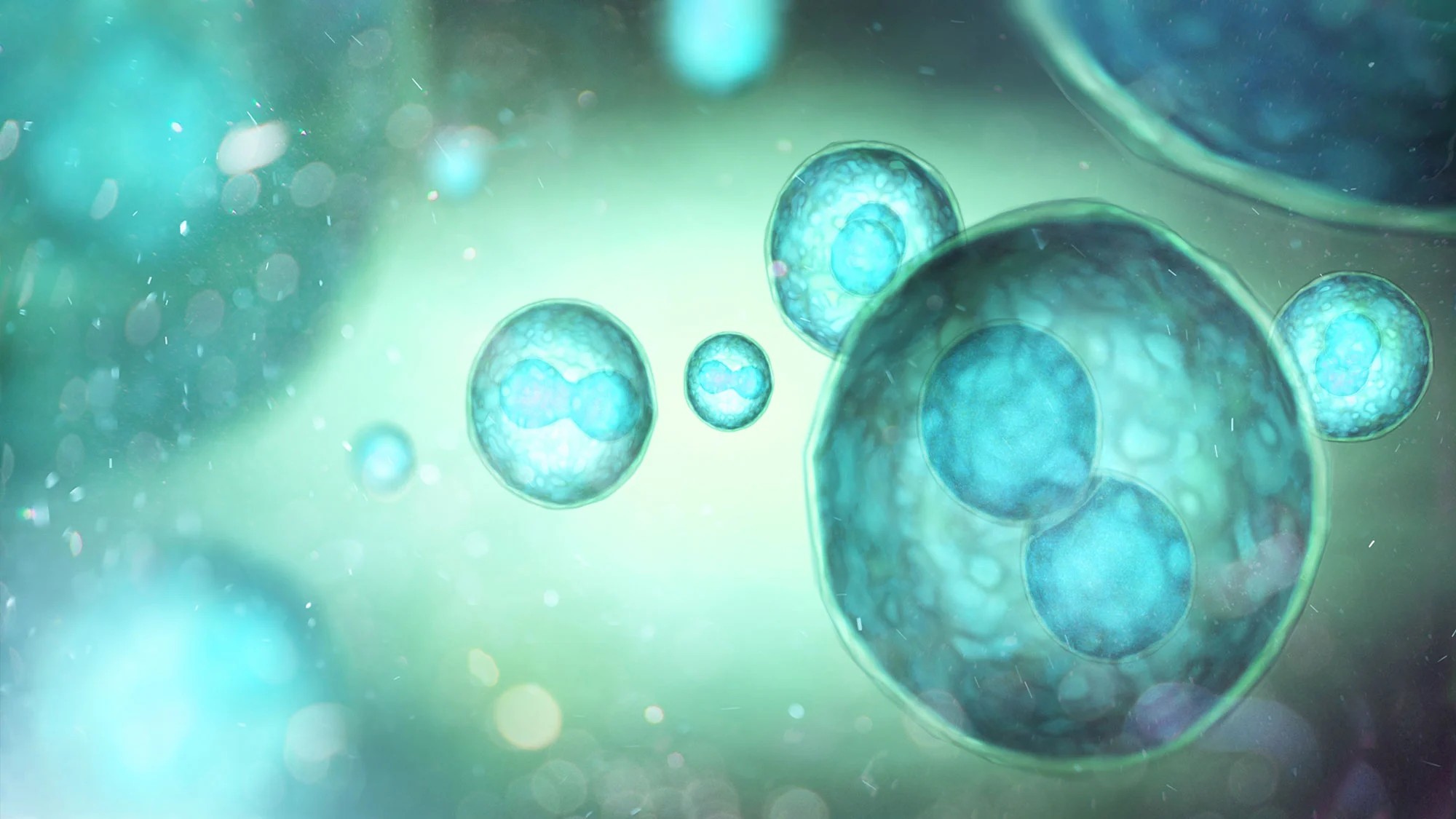
Researchers in Sweden have achieved a significant milestone in regenerative medicine, developing a more reliable method to transform human stem cells into functional, insulin-producing cells. This breakthrough, led by scientists from the Karolinska Institutet and KTH Royal Institute of Technology, has successfully reversed diabetes in mice during laboratory trials.
The Challenge of Type 1 Diabetes
To understand the significance of this discovery, one must look at the underlying mechanism of Type 1 diabetes. In patients with this condition, the immune system mistakenly attacks and destroys the insulin-producing cells in the pancreas.
Without insulin, the body cannot regulate glucose (sugar) levels, leading to life-threatening complications. While replacing these lost cells via stem cell therapy has long been a goal of modern medicine, previous attempts have struggled with two major hurdles:
1. Inconsistency: Stem cells often produced a “mixed bag” of different cell types, including unintended cells that could cause complications.
2. Immaturity: The resulting cells often lacked the functional maturity required to respond accurately to glucose levels in the bloodstream.
A More Mature and Reliable Method
The research, published in Stem Cell Reports, introduces an optimized protocol that addresses these historical failures. By refining the culture process and allowing cells to form three-dimensional clusters naturally, the team has produced cells that are both more uniform and more mature than those created by previous techniques.
Key findings from the study include:
- Glucose Responsiveness: In laboratory settings, the cells demonstrated a strong, natural ability to release insulin in response to glucose.
- Successful Transplantation: When transplanted into diabetic mice, the animals regained control over their blood sugar levels.
- Long-term Stability: Using a minimally invasive monitoring technique (transplanting cells into the anterior chamber of the eye), researchers observed the cells maturing and functioning effectively for several months.
Moving Toward Human Application
The ability to produce high-quality cells from multiple different human stem cell lines is a critical step forward. As noted by Professor Per-Olof Berggren, this consistency opens the door for patient-specific therapies. If cells can be derived from a patient’s own biological material, the risk of the body rejecting the new cells—a common problem in organ and cell transplantation—is significantly reduced.
While this research is currently in the animal testing phase, the focus is now shifting toward “clinical translation”—the complex process of moving these laboratory successes into human clinical trials.
“This could solve several of the problems that have previously hindered the development of stem cell-based treatments for type 1 diabetes,” says Professor Fredrik Lanner of the Karolinska Institutet.
Conclusion
By solving the issues of cell maturity and type consistency, this new method provides a viable blueprint for creating functional insulin cells. This advancement brings the medical community one step closer to a long-term, biological cure for Type 1 diabetes.