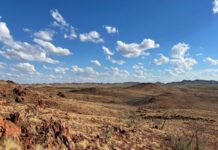
Billions of years back? Mars was a wet, warm place. Not the frozen wasteland we see now. Thick atmosphere. Possible microbes. The dream of astrobiologists for decades.
But here’s the rub.
NASA found organic molecules on the Red Planet. Great start, right? Wrong. Those chemicals can form without a single cell involved. Just chemistry doing its thing. No biology required.
In 2025 things got interesting. A rock in Jezero Crater had markings like leopard spots. Dark. Tiny. Scientists got nervous. Could it be ancient life?
Maybe.
So they took a sample. Plan to bring it home. Then… funding issues. June 2026? NASA canceled the return mission. The sample stays there.
ESA has a different plan.
Chirality: The Telltale Twist
Enter the Rosalind Franklin rover due for 2030. It’s landing at Oxia Planum near the equator. Clay-rich soil. Old riverbeds. Good odds for preserved biology.
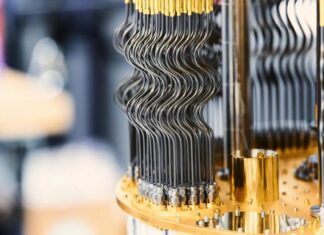
Its secret weapon is MOMA. The Mars Organic Molecule Analyzer.
It hunts for two specific hydrocarbons. Pristane and Phytane.
On Earth these come from living things. You find them in petroleum. They’re stable. They last.
If they existed on Mars billions of years ago? They might still be there.
“If life once existed on Mars then molecules like pristane and phythane represent important molecular biosignatures” said Guillaume Leseigneur from the Max Planck Institute.
But there’s a catch. A clever one.
Chirality.
These molecules have two mirror-image forms. Left-handed and right-handed. Like your hands.
Living organisms prefer one. Usually the same one every time. Non-living chemical reactions? They make a messy 50-50 split. Equal parts left. Equal parts right.
So if MOMA finds an imbalance? Life probably made it.
Equal amounts? Likely just chemistry.
The Murchison Problem
Scientists tested this idea on Earth first. Using MOMA prototypes.
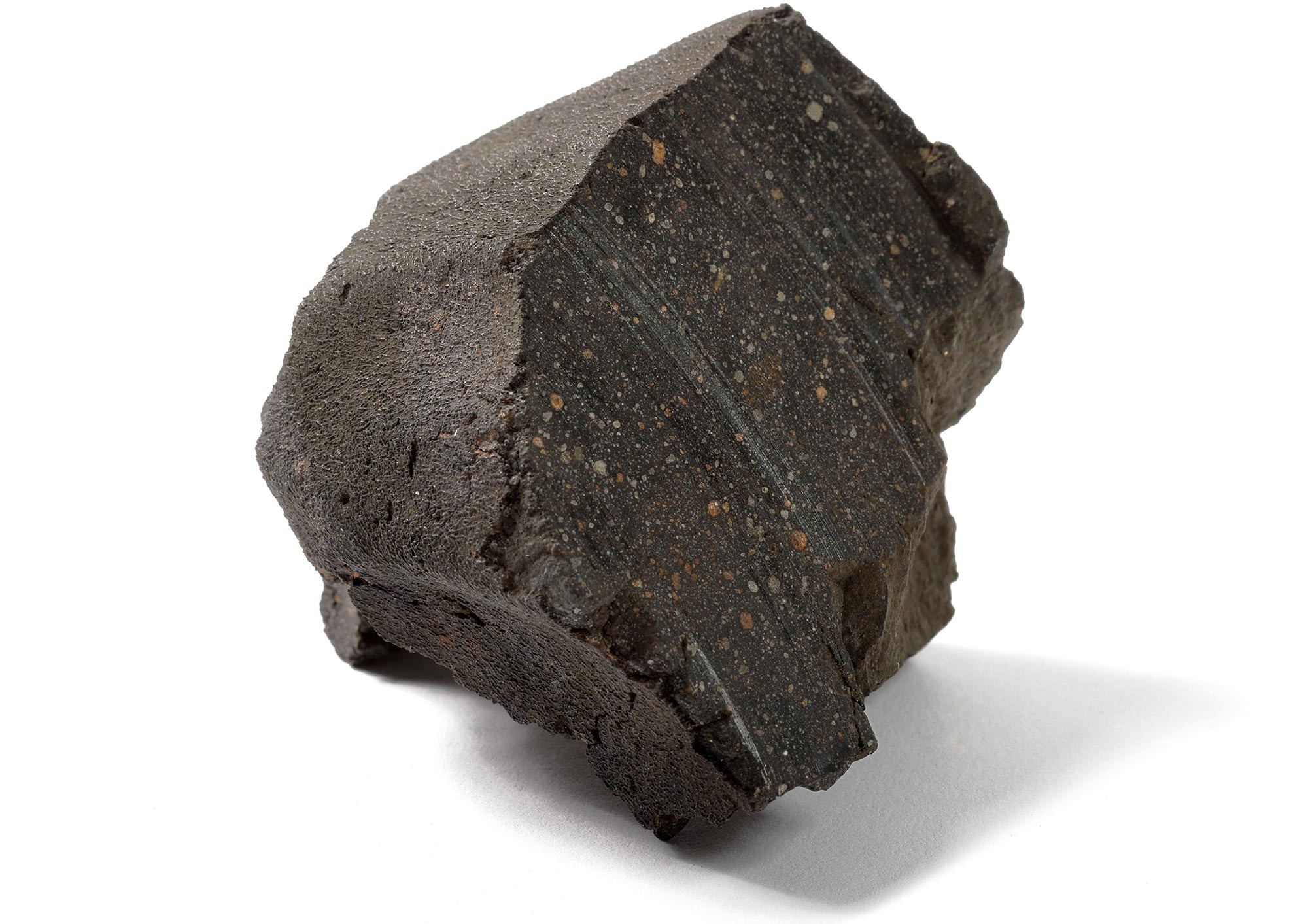
They needed a Martian analog. Real rocks? No. So they used the Murchison meteorite. It fell in Australia in 1969 packed with organics.
The team expected to see pristane and phytane that were Earth contaminants. Bacteria picked up on the ground where the meteorite landed. Biomass should show chiral bias. One form dominant over the other.
They were wrong.
The meteorite samples showed a perfect 50-50 mix. Racemic. Equal amounts of both mirror images.
Why?
Contamination yes. But not from soil bacteria. From our sky.
As the meteorite burned up in Earth’s atmosphere it mixed with aerosols. Pollutants. Burning fossil fuels. Petroleum products in the air.
Heat and pressure in oil shale naturally scramble this chiral preference. Over millions of years depth erases the imbalance. The pollutants on Earth do something similar or start unbalanced already due to industrial origins? The study points to petroleum-based aerosols as the culprit.
“Petroleum forms… under the influence of heat and pressure” explained Manuel Reinhardt from Göttingen.
This explains the Murchison result. It doesn’t mean the meteorite had life. It means the “contaminants” from Earth look different than we thought.
What Does This Mean for Mars?
It complicates the hunt.
MOMA works. It successfully separated these tough-to-distinguish compounds in tests. That’s a win. The tech can see the difference.
But it raises a red flag for interpreting data.
If Earth’s air pollution creates a 50-50 signature in organic contaminants… how do we know what’s truly native to a meteorite or Mars sample?
The experiment proves MOMA has the sensitivity we need. But it also warns us. Organic chemistry is messy. Contamination is everywhere. Even the “pure” meteorites in our labs are touching the polluted air we breathe.
Finding life requires spotting that imbalance. The excess of the “left” or the “right.”
But what if the signal is drowned out by our own footprint?
We send machines to Mars looking for ghosts. We find molecules. Then we wonder if those molecules came from Mars. Or if they came from a diesel exhaust in Stuttgart or a gas station in Texas that drifted into our samples.
The Rosalind Franklin will land in 2030.
It will dig. It will bake the rocks. It will measure the chirality.
We’ll know then if the imbalance exists.
Until then the line between alien biology and terrestrial pollution is blurrier than anyone expected. And the air around us might be hiding the very evidence we’re hunting for.