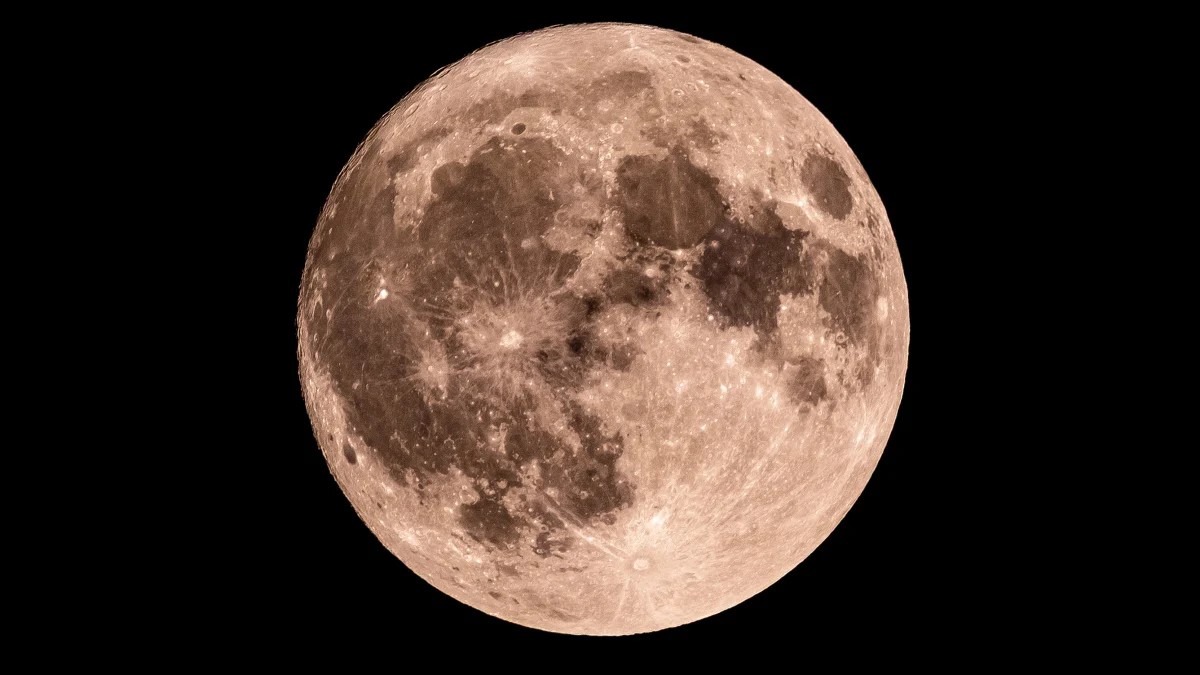
It’s getting bright up there. The moon is waking up, chewing its way through the Waxing Gibbous phase as of this morning, Monday, May 25. According to NASA, you’re looking at about 69 percent illumination tonight. Almost full. Not quite, but close.
Look up.
You don’t need expensive gear to start seeing the landscape. Just your eyes will catch the Mare Crisium and Mare Fecunditatis. Those are the dark “seas” that have stared back at humanity for millennia. The Tycho crater is visible too, sharp and bright.
If you happen to have binoculars, swing them up.
The Endymion crater is waiting. So are the Apennine Mountains. There is also Clavius. A big one. Want more detail? Grab a telescope. Then you can find where Apollo 16 and Apollo 17 actually landed. You can even see Rima Ariadaeus, that long winding ridge that looks like a scratch on glass.
We are just scraping the surface. Literally.
The real event is later this week. May has a second full moon. Yes, really. It happens on May 31st. Most people don’t wait that long, though.
So what is happening anyway?
It takes the moon 29.5 days to loop around Earth. That is the lunar calendar in a nutshell. Eight distinct phases. The face we see never changes, but the sunlight does. That shifting light is the trick.
- New Moon is the start, or the end depending on who you ask. Earth sits between us and the sun. We see nothing. It’s gone.
- Then a sliver appears on the right. Waxing Crescent.
- Half light on the right becomes First Quarter.
- More than half? That is Waxing Gibbous, which brings us to today.
- Finally, the Full Moon hits. The whole face lights up.
Then the slide begins. Waning Gibbous loses light on the right. The Third Quarter shows half on the left. The Waning Crescent fades until it disappears.
Round and round we go.