



Since Tamagotchi dropped in 1997, we’ve been obsessed with digital responsibility. You feed the pixel. You clean up after it. You pretend to care for a creature that doesn’t exist. It’s a weird, wonderful loop. Then came 1999. Two British students decided to take that simple concept and hook it up to the web. They called it Neopets.
It wasn’t just a game. It was a machine.
They mixed the urge to nurture fictional animals with the addictive grind of puzzle mechanics. The site exploded. It grew faster than most startups dream of. But here’s the thing about early internet gold rushes: the money didn’t just appear. The games and characters were tightly woven into marketing campaigns and advertisements. The site turned a profit almost immediately. That’s not just luck. That’s design.
But not everyone was cheering from the sidelines.
Critics have been watching since day one. The concern? Marketing methods that could harm children. We’re talking about targeted ads and gamified spending. Then there’s the heavier stuff. The founder’s background. The Church of Scientology connection. People worry it’s not just a game. They worry it’s a recruiting tool.
Let’s look at who really owns this place. And why the controversy hasn’t faded, even after all these years.
How Neopets Became a Profitable Empire
Neopets wasn’t born in a vacuum. It tapped into a specific cultural moment. Kids online were hungry for interaction. They wanted ownership. They wanted a digital pet that followed them everywhere. The British founders saw the gap. They built a bridge.
The success wasn’t accidental. The puzzle games kept users engaged. The virtual pets kept them coming back. But the real trick was the monetization. Advertisers paid to reach that captive audience. The site sold virtual goods. It sold status.
“Combining people’s love for taking care of fictional critters with the enjoyment of puzzle games, Neopets grew rapidly.”
This formula worked because it blurred the line between play and commerce. You weren’t just playing. You were participating in an economy. And that economy was heavily marketed.
Why Scientology Allegations Persist
Here’s where the story gets complicated. The founder. The leadership. The Church of Scientology.
Critics have long argued that Neopets could be a backdoor into the Church of Scientology. They point to the founder’s affiliation. They point to the site’s structure. Is it a game? Or is it a funnel?
The allegations aren’t just noise. They stem from real concerns about how the company operates. How it markets. Who it targets.
Parents worry about their kids spending hours in a virtual world. They worry about the ads. They worry about the ideology. The fear is that the site is designed to indoctrinate. Not with overt preaching. But with subtle influence.
This isn’t a minor detail. It’s central to why Neopets remains controversial. It’s not just about virtual gold. It’s about who controls the playground.
Where Neopets Stands Today
Neopets has survived. It’s still online. Still active. But the shadow of its origins remains.
The original promise was simple. Take care of
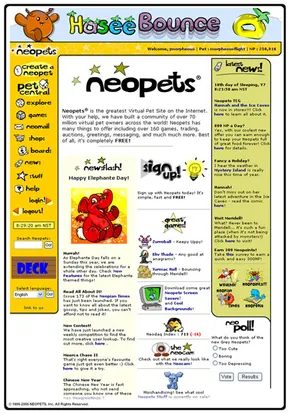

Neopets isn’t just a website. It’s a sprawling fantasy realm where you raise virtual creatures.
Creating an account costs nothing. The platform survives on ad revenue and marketing deals—a model that powers the entire economy. You start with up to four pets. There are 53 varieties to choose from, all loosely based on real animals or fantasy beasts.
Most people think caring for a Neopet is simple.
Feed it every few days. Done.
But that’s barely scratching the surface. You want your pets to be smarter? Read them books. You want them to have stuff? You need Neopoints.
Neopoints (NPs) are the currency of Neopia. Everything has a price. A cheeseburger? Maybe 200 NPs. A rare item? Tens of thousands. You can buy these things with real-world effort. Play games. Fill out surveys. Sell items in the auction house.
How to Earn Neopoints Fast
You can’t just stare at your pet and wait for wealth to appear. You have to grind. There are three primary ways to earn Neopoints, and knowing which one fits your style matters.
1. Playing Games
There are over 140 games on the site. Don’t let the number fool you—they aren’t all the same. Some are simple memory matches. Others are complicated 3D action games.
Some reward dexterity. Others demand math skills or an extensive vocabulary. If you’re good at words, you’ll crush the vocabulary challenges. If you’re quick with numbers, stick to the math games. The point is, you’re trading time for currency.
2. Surveys and Affiliates
This is the less fun part.
You can fill out marketing surveys. You can sign up with Neopets affiliates. It’s not glamorous. But it pays.
“The economy runs on user engagement, whether that’s through gameplay or data collection.”
3. The Shop and Auction System
This is where the real economy lives.
You can sell items. You can auction them off. If you find a rare item through random events or game prizes, you can flip it for a massive profit. Some items cost so much, only the wealthiest players can afford them.
It’s a system. A loop. Play games to get items. Sell items for Neopoints. Buy better items. Repeat.
Does it ever end? No.
But that’s the hook.

Storylines in Neopia aren’t just random fluff. They’re living, breathing events that reshape the world you know. The creative team at Neopets builds these narratives with user interaction baked right in. You don’t just watch. You participate.
Think about the Tyrannian Battledome. When monsters invaded Tyrannia, it wasn’t a cutscene. It was a battle. Players had to step up, fight back, and defend their virtual land. The outcome of these games directly influenced the plot. Villains departed. New areas opened up. The world evolved because you played it.
This interactivity is a big reason why Neopets remains one of the Web’s “stickiest” sites. Users don’t just drop in for five minutes. They come back. They have a stake in the outcome.
Licensing and Expansion
Beyond the site itself, the Neopets brand has spilled over into other media. The characters and IP have been licensed for various products and platforms. This extends the reach of Neopia far beyond the browser window.
We’ll look at those appearances next. See how the pets found their way into other corners of pop culture.

Six hours and 42 minutes. That is the average time a user spends on Neopets every single month. The site calls itself one of the “stickiest” platforms on the web. Sticky isn’t just a marketing buzzword here. It is a retention metric that most companies would kill for.
How do you keep people glued to a browser-based game for that long? You don’t just rely on luck. You engineer it.
The Content Trap
It starts with volume. There feels like there are a million things to do. You open the site looking for one thing and suddenly you are three hours deep into a mini-game you didn’t know existed. Users stay because they never hit a wall. The fear of running out of content is replaced by the promise of more.
Then there is the velocity. The team doesn’t just update the site once a quarter. They add new games, contests, creatures, and storylines almost daily. If you don’t log in, you miss out. This creates a natural loop of curiosity. What is new? What did I miss?
Building a Tribe
Loneliness doesn’t last long on Neopets. The platform weaponizes social connection through Neomail and Neofriends. These aren’t just features. They are the glue.
The message boards allow users to build their own micro-communities. You aren’t just playing a game. You are hanging out. People spend time talking to friends they made in-game. They make new ones. The social layer transforms a solitary activity into a collective experience.
The Infinite Grind
Then there is the reward system. Neopets gives you Neopoints and items for simply showing up and sticking around.
There is no “Game Over” screen. No final boss. No ultimate goal that says “you win.” You just accumulate. More items. More points. The progression never ends. It is a dopamine loop designed to keep you clicking.
Recruitment amplifies this. The referral program rewards you for bringing in other users. You are incentivized to build the community that keeps you engaged.
Beyond the Browser
This isn’t just a website anymore. It is a brand ecosystem.
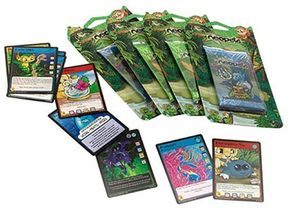
Wizards of the Coast, the giants behind “Dungeons & Dragons” and “Magic: The Gathering,” licensed the Neopets name for a Collectible Card Game. Each pack holds cards of varying rarity. You build your own deck. It is unique to every player.
The objective is simple: defeat your opponent’s Neopets in arena battles using items and weapons. But here is the kicker. Every pack contains a code. You enter it on the site to receive special in-game items. The physical product drives digital engagement. It creates a feedback loop between the table and the screen.
Thinkway Toys held the license for 6-inch action figures and plush versions of the creatures. You could hold your Neopet in real life.
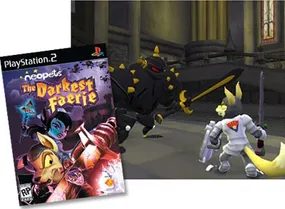
Even Sony got in the game. In 2004, they released “Neopets: The Darkest Faerie” for PlayStation 2. This was an adventure game. Players controlled two different Neopets on a quest. The mission: defeat the evil Darkest Faerie.
The franchise bled across mediums. Web. Card game. Plush. Console. It was a comprehensive world.
And yet, none of that replaces the core loop. The daily login. The Neomail notification. The sense that the world keeps turning while you were away.

The big news everyone has been waiting for is finally real. The Neopets movie is moving forward with a target release date of 2006. You can expect a computer-animated feature, not live action. John A. Davis is at the helm. He directed “Jimmy Neutron: Boy Genius,” so if you liked that style, you already know what to expect. The deal is solid too. Neopets signed a multi-picture agreement with Warner Bros. Studios. This means one film is just the start. More movies are coming down the pipeline.
But before the theaters light up, there is the business side of things. Who actually owns the site? How does the money flow? The answer lies in the new premium tier.
The Cost of Neopets Premium
Free play continues for now. That isn’t changing in the immediate future. But the company is rolling out a paid service. The price point is $7.99 per month. What do you get for that cash?
You get an ad-free experience. No more banners blocking your view. You also get a Neopets portal. Think of it as a customizable homepage. It is similar to My Yahoo. You control what you see first.
There is more inside that paywall.
- Special message boards. Access areas that standard users cannot enter.
- Neopets Web mail. A dedicated email address for your account.
- Better shop searches. The marketplace search function improves significantly.
- Earning advantages. You earn Neopoints faster. Finding rare items becomes easier.
It is a trade-off. Pay money for convenience and a slight edge in the game. The site stays free for the masses. The premium layer sits on top.
Behind the Scenes
Ownership remains a mystery to most casual visitors. The creation story is equally opaque. We will dig into those details next. Who holds the keys? How did it all begin?

The British Origins of Neopets
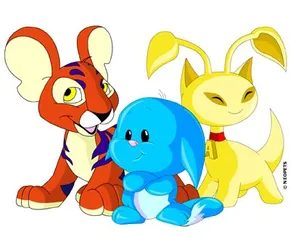
It began as a modest student project in 1999. Adam Powell and Donna Williams were just two college students in Britain trying to build something cool. They didn’t aim for global domination. They wanted a hangout spot for their classmates.
Powell handled the code. Williams drew the pets. It was a classic tech-art duo setup. But they injected the site with their own cultural flavor. You can still see the British influence today. The site sticks to British spellings. Look at “colour” or “grey.” Those aren’t bugs. They’re Easter eggs from the early days.
Scaling Up to a Media Empire
The response was unexpected. The traffic spiked. The servers groaned. The founders realized they couldn’t keep up alone. So they cut a deal with Doug Dohring. He was a market research expert who saw the potential.
Dohring bought the site. He kept Powell and Williams on board. That was smart. It preserved the creative vision. Then he moved the headquarters to Southern California. His goal was ambitious. He didn’t just want a website. He wanted a media empire.
The MTV Acquisition
The strategy paid off. By June 2005, the numbers were staggering. Dohring sold Neopets to MTV. MTV is a division of Viacom. The price tag? $160 million.
Dohring stayed on through the transition. But the real story is in the user data. At the time of the sale, Neopets boasted 92 million accounts.
That number sounds huge. But it needs context. Many users had multiple accounts. When you strip out the duplicates, you’re looking at roughly 30 million unique people.
Who were these people?
The demographics tell an interesting story about early online gaming. Children under 13 made up 39 percent of the user base. Another 40 percent were teenagers between 13 and 17. That leaves 21 percent who were adults over 18.
And here is where it gets unusual for the time. 57 percent of users were female.
In 2005, online gaming was often marketed toward boys. Consoles, shooters, strategy games. Neopets flipped the script. It proved that a virtual pet site could capture a massive female audience. It wasn’t just a niche. It was a mainstream phenomenon.
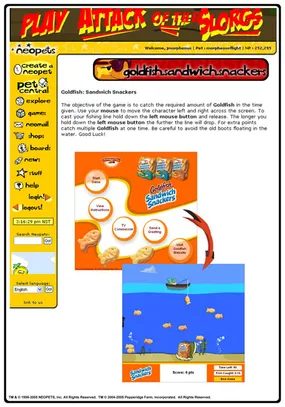
Neopets didn’t just exist. It made money. A lot of it. The strategy wasn’t complex. It relied on what Dohring called Immersive Advertising. This wasn’t your typical banner ad. It felt more like product placement in a blockbuster. You played a game. The game was an ad. But you didn’t notice.
Think of it this way. You’re playing a Neopian-themed puzzle. It asks trivia about a popular TV show. The reward? You get something for your pet. The sponsor? A major brand. McDonald’s food for your avatars. Pepperidge Farm games. A taxi simulator where you send messages via a cell phone. That phone? Made by a company targeting kids. The line between play and purchase was blurry. Deliberately so.
Retail sales contributed too. The Neopets Collectible Card Game. Action figures. Plush toys. A PlayStation release. Physical goods. Digital dreams. All converging in one place.
But the real goldmine wasn’t the ads. Or the toys. It was the data.
Children under twelve are hard to reach. Marketers face hurdles. The Children’s Online Privacy Protection Act (COPPA) is strict. Parental consent is mandatory. Getting direct data is a legal minefield. Neopets had a workaround. They collected research data on the behavior of kids 12 and under. They didn’t sell personal info. They sold insights. Market research.
“Unparalleled access to young people,” the press kit claimed.
By January 2006, Neopets boasted over 50,000 kids in its marketing database. That number seems small now. Back then, it was a treasure map for advertisers. Companies paid for access to that demographic. Neopets traded on its unique position. It held the keys.
The infrastructure supported this volume. The site ran on 300 Linux-based servers. Each day, it pushed out 1.7 gigabits of bandwidth. That’s not small potatoes. It’s a massive digital engine humming away.
And yet.
The foundation was solid. The revenue streams were diverse. But cracks were forming. Beneath the bright colors and cheerful pets, problems were brewing.
Trouble in Neopia


Like any large online community, Neopets has had to deal with its share of malcontents, swindlers, and cheaters. The company’s response involves two main tactics: education and account freezing. Neopets maintains a Wall of Shame, a page that describes some of the more common frauds and schemes. There are also members who act as self-appointed “Newbie Guardians,” helping new players avoid pitfalls and problems.
Freezing Accounts: The Ultimate Punishment
Account freezing is the Neopian death sentence. Neopets responds to almost any suspicious behavior by freezing the account permanently. The user can always create a new one, but all Neopoints, items, and other benefits associated with the old account are lost forever.
Longtime players with a lot of time invested in their pets are understandably terrified of this punishment. Freezes occasionally seem to happen arbitrarily, or because the user violated site rules inadvertently. For example, sometimes in-game events allow players to visit a certain page once per day to collect a rare item. On several occasions, a bug allowed players to get the item multiple times per day. Players who got the item more than once, even if they didn’t know it was a bug, or just forgot that they already got one that day, had their accounts frozen.
Protecting Your Login Credentials
Neopets scams are similar to most Internet phishing scams that try to steal information. Instead of bank account numbers, these scams focus on getting account passwords or the e-mail address associated with an account. While the scams take many forms, they can all be avoided by following one simple rule — never give out your account password to anyone for any reason.
Marketing to Minors and Gambling Concerns
The other big problem with Neopia is one that has parents and consumer advocates worried. Neopets aims their marketing efforts directly at children who may not be old enough to understand the difference between a game and an advertisement. Immersive Advertising places corporate-sponsored games right next to unsponsored ones. The site added a “This Page Contains Paid Advertisements” disclaimer near the bottom of pages in response to complaints. However, the disclaimer appears on just about every page at the Neopets site, so it doesn’t really help kids determine what is an ad and what isn’t.
Neopets also bowed to pressure after a flap over gambling games. Parents were upset that young children were learning to gamble by playing games similar to those found in casinos. Since then, accounts held by users under age 13 do not have access to any gambling-themed games. However, there is no verification process to prevent a child under age 13 to create an account and say they are actually 18.
According to Neopets, keeping kids safe is a high priority. They have monitors who keep an eye on chat rooms and message boards 24 hours a day, removing offensive language and making sure kids aren’t posting personal information or falling prey to online predators. Neopets also follows Children’s Advertising Review Unit (CARU) guidelines.
In the next section, we’ll explore Neopets’ connection to the Church of Scientology.
The World of Neopia
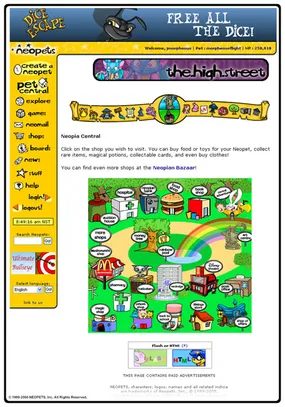
Neopia is a fantasy world populated by Neopets and a variety of other characters, both good and evil. Neopia is divided into several areas, each with its own characteristics. Areas are accessed by clicking on them on the Neopian World Map. Within each area are links to games, shops or other areas.
Neopets and Scientology


The Scientology Connection Behind Neopets’ Success
It might sound like a deep cut for a children’s virtual pet site, but Neopets CEO Doug Dohring has serious ties to the Church of Scientology. He isn’t just a passive observer. The Hubbard College of Administration website lists him as a practitioner of “Administrative Technology,” the management philosophy created by L. Ron Hubbard. Dohring has also been recognized for donating over $250,000 to Scientology-related groups.
The connection goes deeper than charity. On a Scientology-affiliated site, Dohring was explicit about his business strategy. He stated that he had used Hubbard’s technology in every business activity for nearly twenty years. “Mr. Hubbard’s organizational concepts are always with me,” he wrote. “Virtually every aspect of running my companies involves the use of his administrative technology.”
Dohring didn’t keep this quiet in the press. In a Wired magazine interview, he confirmed the use of these principles. He described Hubbard as having created a “management technology that’s very powerful.”
Understanding the Org Board
What exactly is this “Administrative Technology”? It centers on the Org Board, which stands for organizing board. Developed by Hubbard in 1965, the system divides a company into seven specific divisions: executive, personnel, sales, finance, training, marketing, and qualifications. Each of those seven divisions is further split into three subdivisions.
“Hubbard described the Org Board in a 1965 lecture as a system that had been in use by a galactic civilization for 80 trillion years in the past.”
The Church of Scientology claims Hubbard invented this structure. However, historical records show Hubbard presenting the Org Board as an improvement on a management system used by a galactic civilization for 80 trillion years. It’s a bold claim for a corporate hierarchy.
Rumors and Reality at Neopets
Does this religious philosophy bleed into the actual website? No one has claimed that Scientology doctrines appear on Neopets.com itself. The virtual world remains secular in its presentation. But rumors persist. Unsubstantiated whispers suggest that employees are encouraged to convert to Scientology. There is no hard proof to back this up. It remains a shadow story behind the bright colors and pixelated pets.
Growth and New Markets
Despite the controversies and the cult-adjacent rumors, the Neopets empire was not slowing down. By February 2006, the company claimed a massive user base. The numbers were staggering. Over 100 million users. Over 150 million individual pets logged in and playing.
The company was looking for new ways to monetize that attention. They were preparing to jump into another lucrative market. Cell phone ring tones and wallpapers were next on the list. The virtual pet world was becoming a real-world revenue stream.
For more information about Neopets.com, check out the links on the next page.
Lots More Information
Related HowStuffWorks Articles
-
How Web Pages Work
-
How Product Placement Works
-
How Marketing Plans Work
-
How Creating an Online Business Works
-
How Ad Slogans Work
-
How Phishing Works
More Great Links
-
Neopets
-
Neopets Trading Card Game
-
It’s a Whole Neo World
-
The Neopets Addiction
Sources
-
Boese, Christine. “NeoPets invade the Internet world.” CNN, January 7, 2003. http://www.cnn.com/2003/SHOWBIZ/01/06/hln.hot.buzz.neopets/
-
Digital Lightwave: People http://www.digl-watch.com/people.shtml
-
The Hubbard Management System http://www.hubbardcollege.org/mgmtsystem/use_dougdohring.html
-
“Inside the Cult of Neopets.” Kotaku, December 8, 2005. http://www.kotaku.com/gaming/neo-pets/inside-the-cult-of-neopets-141826.php
-
Kasavin, Greg. “Neopets: The Darkest Faerie Hands-On.” GameSpot, Apr 29, 2005. http://www.gamespot.com/ps2/adventure/neopets/preview_6123355.html
-
Kushner, David. “The Neopets Addiction.” Wired, December 2005. http://www.wired.com/wired/archive/13.12/neopets.html?pg=1&topic=neopets&topic_set=(none)
-
Neopets Corporate Fact Sheet http://info.neopets.com/presskit/compinfo.html
-
“Neopets partners with Equinix to enhance performance of popular web site.” Equinix, July 14, 2004. http://www.equinix.com/press/press/2004/07_14_04c.htm
-
Neopets Press Kit FAQ http://info.neopets.com/presskit/faqs.html
-
Olsen, Stefanie. “NeoPets goes Hollywood.” News.com, March 24, 2005. http://news.com.com/NeoPets+goes+Hollywood/2100-1026_3-5635393.html
-
Pace, Gina. “Kids and Neopets: Who’s Getting Fed?” CBSNews.com, February 9, 2006. http://www.cbsnews.com/stories/2006/02/07/national/main1293944.shtml
-
Results and Application: World Institute of Scientology Enterprises http://www.wise.org/en_US/l-ron-hubbard/results/pg001.html
-
Sappell, Joel and Welkos, Robert W. “The “Org Board”: Hubbard’s Plan for Improving on “80 Trillion Years” of Management.” New York Times (Scientology series), 27 June 1990. http://www.cs.cmu.edu/~dst/Library/Shelf/la90/la90-4c.html
-
The Seven-Division Org Board http://www.whatisscientology.org/html/part06/chp20/pg0372-a.html
-
Sharma, Dinesh C. “MTV acquires virtual critter site NeoPets.” News.com, June 20, 2005. http://news.com.com/MTV+acquires+virtual+critter+site+NeoPets/2100-1030_3-5753858.html?tag=st.ref.goo
-
Structure of Scientology Churches: Building the Bridge http://www.churchofscientology.org/page002.htm
-
Terdiman, Daniel. “Trading on the ‘Neodaq’.” News.com, October 7, 2005. http://news.com.com/Trading+on+the+Neodaq/2100-1043_3-5891259.html?tag=st.ref.goo


