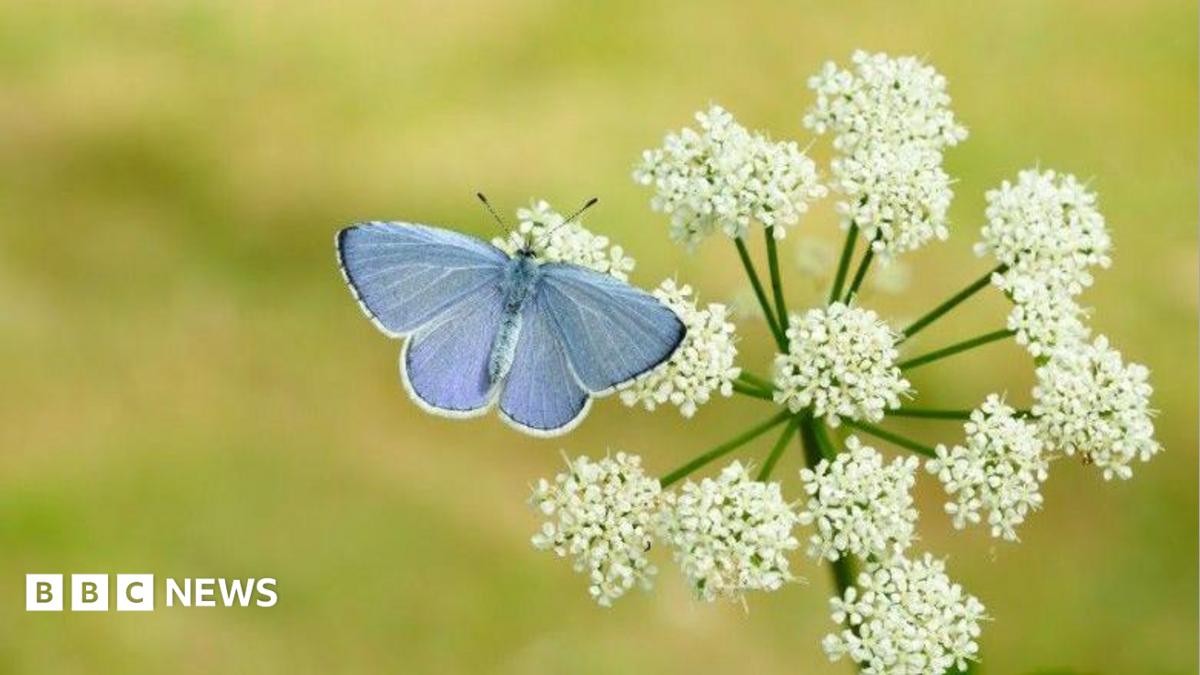
It sounds too good to be true. Britain might be staring down the barrel of an absolute butterfly bonanza.
Professor Richard Fox isn’t sugar-coating it. The head of science for Butterfly Conservation—based in Newton Abbit, Devon—is confident we’re about to witness a bumper summer of winged friends. His logic? The weather.
“We’ve had this incredibly warm, hot spring and this ongoing heat,” Fox explains.
That dry spell didn’t just dry out your lawn. It put the population in the driver’s seat for a “fantastic, colourful show.” Gardens. Countryside. The whole country is set to host.
How to spot the big numbers
The charity wants thousands of people to step out and join the Big Butterfly Count. The method is deceptively simple:
- Go outside.
- Find a sunny spot.
- Watch for 15 minutes.
Record the sightings. Done.
Don’t expect glamour if you’re standing on pavement.
“You might just see a handful of butterflies in that time in your standard garden patch.”
But step further out. Into the wilder bits. Into areas heavy with flowers.
“If you come into a big flower-rich place, then you might see dozens or hundreds.”
The difference lies in habitat quality. Hot weather triggers activity. Flowers fuel them. You need both to get those crowd-pleasing counts. Fox is betting on people engaging. He wants the numbers to stack up.
Why the UK heat matters for populations
Butterflies are cold-blooded. They need heat to fly, to mate, to feed. A warm spring accelerates their life cycle. Eggs hatch faster. Caterpillars grow quicker. Adults emerge earlier and have a better chance to lay another batch.
It’s not just about warmth, though. The “ongoing hot weather” reduces mortality risks for many species during the critical flight months. When you combine a dry spring (which often boosts certain host plants) with high summer temps, the conditions become nearly optimal for populations of species like the Red Admiral and the Small Skipper.
The count runs for a few weeks each July. It’s designed to be easy. That’s intentional. If you live near meadows or rich scrub, the numbers you record will likely dwarf what urban gardeners see.