The global effort to phase out fossil fuels hit a wall at last year’s UN Climate Summit (COP30) in Brazil. Despite high hopes for a concrete roadmap, the final agreement omitted any mention of fossil fuels, blocked by objections from petrostates. This diplomatic stalemate highlighted a critical gap: while the world agrees on the climate crisis, it lacks a unified mechanism to dismantle the energy systems driving it.
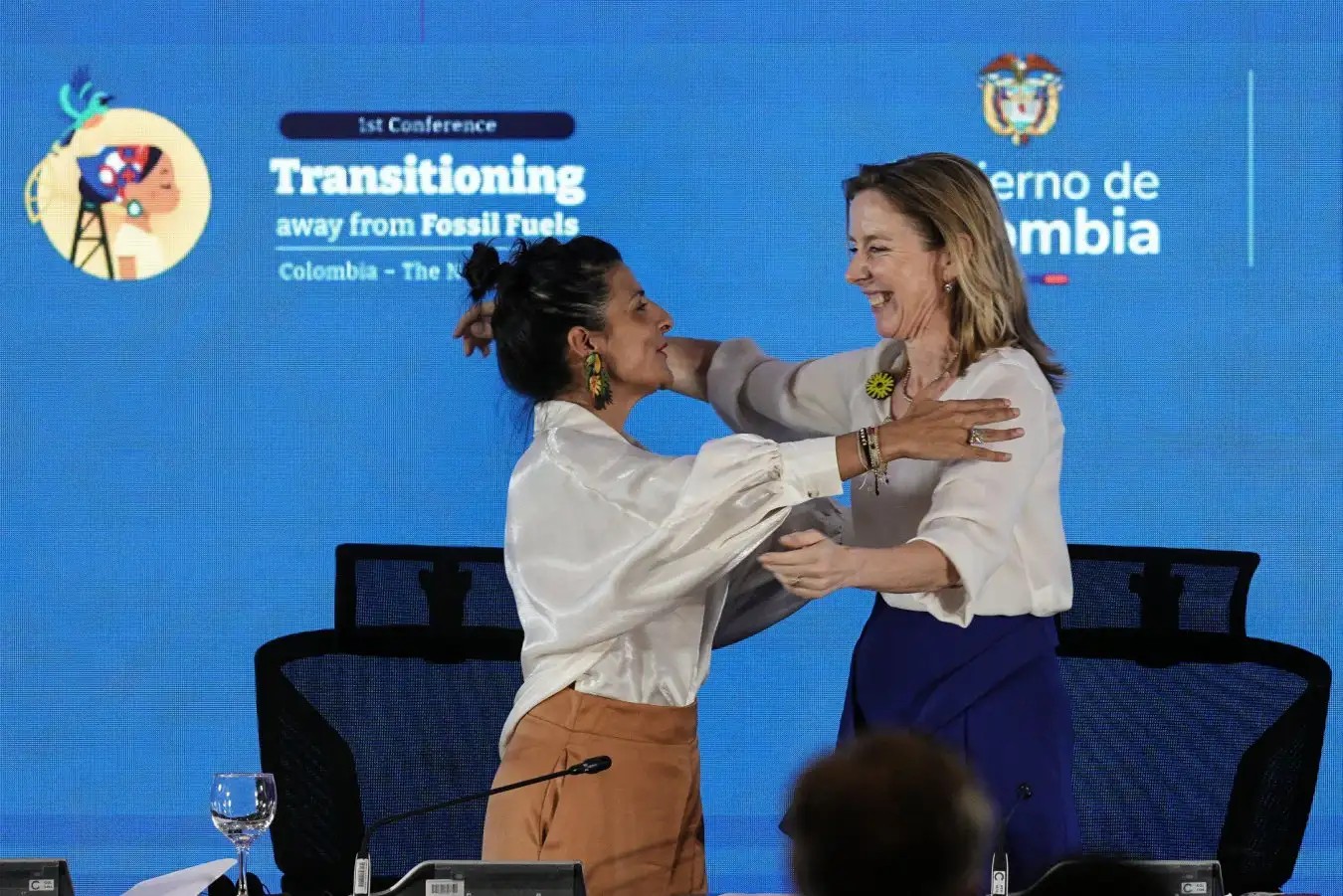
In response, a new initiative has emerged. Colombia and the Netherlands recently hosted 57 nations in Santa Marta, Colombia—a major coal-exporting port—signaling a strategic shift from broad consensus-building to targeted implementation. This “coalition of the willing” includes traditional climate leaders like the European Union and the UK, alongside significant oil exporters such as Canada, Nigeria, and Norway.
From Negotiation to Implementation
The Santa Marta summit marked a departure from traditional climate diplomacy. Rather than debating whether the problem exists, the focus was strictly on how to accelerate the transition. Johan Rockström of the Potsdam Institute for Climate Impact Research, who helped advise the summit, described the event as “not about negotiations… but focused entirely on how to accelerate and move forward on the phase-out of fossil fuels.”
This approach addresses a worrying trend: although global investment in low-carbon energy now dwarfs that in fossil fuels, renewables are primarily meeting new electricity demand rather than displacing existing oil, gas, and coal use. Consequently, the world remains on track for catastrophic warming of more than 2°C by 2100. The coalition aims to change this trajectory by moving from voluntary pledges to binding national roadmaps.
National Roadmaps and Economic Incentives
Participants agreed to develop national transition plans ahead of a follow-up conference next year in Tuvalu, with a pre-conference in Ireland. A key innovation is that these roadmaps will account for both domestic consumption and exports, closing a loophole often exploited in current climate targets.
Two prominent examples emerged from the summit:
* Colombia: Academics unveiled a plan to cut energy emissions by 90% by 2050, projecting economic benefits of $280 billion. This challenges the narrative that decarbonization inevitably harms developing economies.
* France: Becoming the first high-income nation to issue a formal roadmap, France set hard deadlines: ending coal by 2030, oil by 2045, and gas by 2050. Unlike many “net zero” targets that allow for carbon offsets, this plan mandates a complete cutoff of fossil fuel energy, supported by expansions in public transport, electric vehicles, and nuclear power.
The Financial and Geopolitical Hurdles
While the political will is present, significant structural barriers remain. The conference highlighted the need to reform the financial system, particularly regarding government subsidies for hydrocarbons and the debt crisis facing low-income nations. Currently, heavy debt burdens often force poorer countries to drill for oil and gas as a quick revenue source, rather than investing in capital-intensive renewable infrastructure.
Jeni Miller of the Global Climate and Health Alliance notes that redirecting subsidy funds toward accessible climate finance is possible, but only if enough countries engage in the difficult conversation about what needs to change.
However, skeptics warn that diplomacy alone cannot solve the supply-demand dynamic. Simon Sharpe of S-Curve Economics argues that a roadmap is ineffective as long as there is a willing buyer for fossil fuels. He suggests that instead of focusing solely on supply curtailment, international efforts should incentivize decarbonization in lagging industries like steel manufacturing. Furthermore, Sharpe points out a critical omission: major emerging economies like China, India, and South Africa were not invited to Santa Marta, limiting the global impact of any agreements reached.
The Path Forward
The ultimate test of the Santa Marta summit will be its influence on the upcoming COP31 in Turkey. Joanna Depledge of the University of Cambridge poses the central question: “Do you just preach to the converted? Or do you just try even harder to get some kind of consensus in the COP?”
The value of this coalition lies in its ability to demonstrate that a fossil-free future is economically viable and politically feasible. If these national roadmaps can be translated into broader international agreements that engage even the most resistant exporters, the summit may well mark the beginning of the end for the fossil fuel era.
Key Takeaway: The shift from broad UN negotiations to targeted, implementation-focused coalitions represents a pragmatic new strategy. Success depends not just on political promises, but on solving the financial and geopolitical barriers that keep fossil fuels in play.