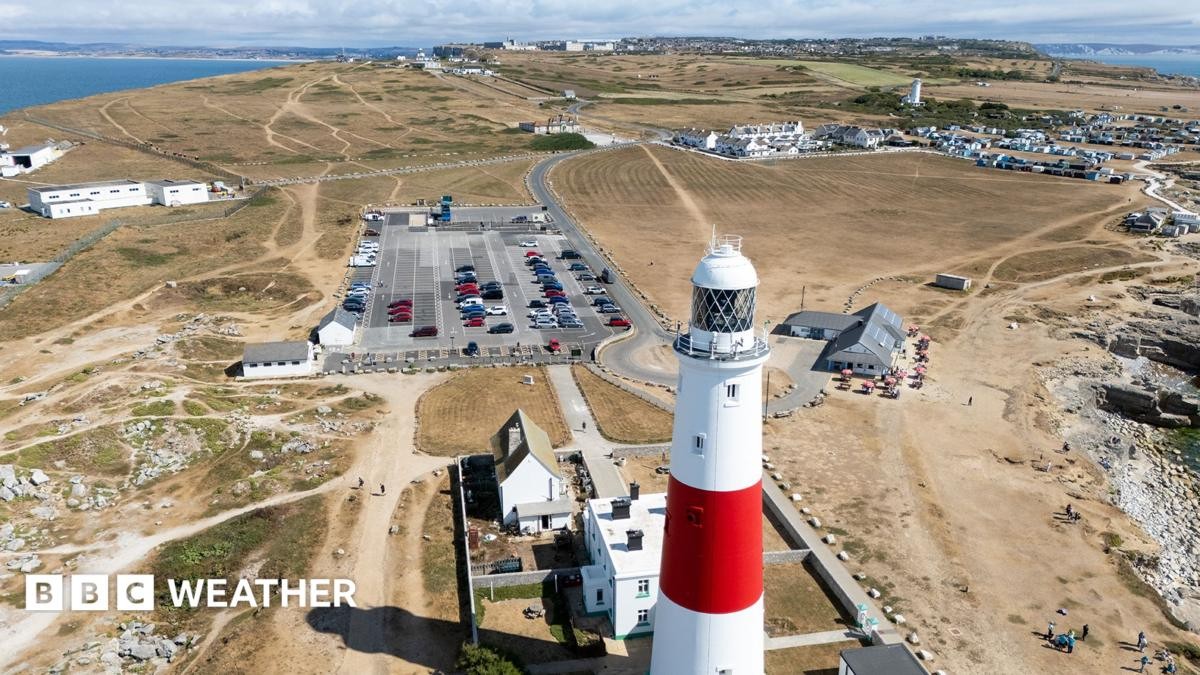
The UK’s parched landscapes face a grim outlook. Conditions in the driest pockets—specifically eastern, central, and southern England, plus all of Wales—could deteriorate further before seeing any real relief. The immediate forecast offers little rain to those who need it most.
August is tracking toward warmer, drier-than-average conditions.
Natural Resources Wales (NRW) has formally extended its drought declaration across the entirety of Wales as of Thursday. The agency noted that soaring temperatures are actively causing the natural environment to “deteriorate.”
This follows the Environment Agency’s move on Wednesday, which plunged more than half of England into official drought status.
The Forecasts: Dry Spells and Evaporation Issues
You might notice clouds building on Friday, especially in northern UK zones. There’s a chance for scattered showers there, potentially heavy in spots.
But look further south.
It’s set to be dry again. Variable clouds. Some sunny spells. South-east England, already officially in drought, gets another warm day.
The weekend? Dry for most. Scotland’s far north might catch some isolated showers. That’s about it.
Next week brings more unsettled weather. Rain chances increase, particularly for northwestern regions. Southern areas? Uncertain. Some models hint at useful rain there, but don’t count on it.
Even with rain in the long-range forecast, it won’t break the drought.
Here’s the problem.
Summer heat drives rapid evaporation. When rain does fall during the day, much of it vanishes from the soil before it can soak in. Quick downpours or thunderstorms? They add volume to gauges but not necessarily to groundwater. The soil simply can’t absorb the water fast enough.
The ideal fix? Overnight rain. It mitigates evaporation.
To actually fix a drought, you need prolonged spells. Days and weeks of steady moisture. The coming forecast lacks that longevity. The parched earth won’t be quencheed by a few passing clouds.
The Numbers: July’s Historic Dryness
Wales is staring at a record. July saw just 8% of the long-term average rainfall. At this rate, it will be the driest July since records began 190 ago.
Rhian Thomas, Sustainable Water and Nature manager at NRW, pointed out the visible toll.
“The toll on the environment, our land, and agriculture is clear to see… with many of our teams still dealing with aftermath of extensive wildfires which have devastated, forestry, grassland, and special habitats.”
In England, July’s rainfall hit just 7% of expectations. Southern England? A mere 1%.
The Environment Agency warned earlier in the week that hot, dry weather is forcing usage rates higher than nature’s replenishment speed.
Heading into August, the trend line is clear: hotter and drier. If this holds, drought conditions worsen before they improve.
Is this how we treat our water resources?
The soil remains thirsty. The skies remain stubbornly blue for now.