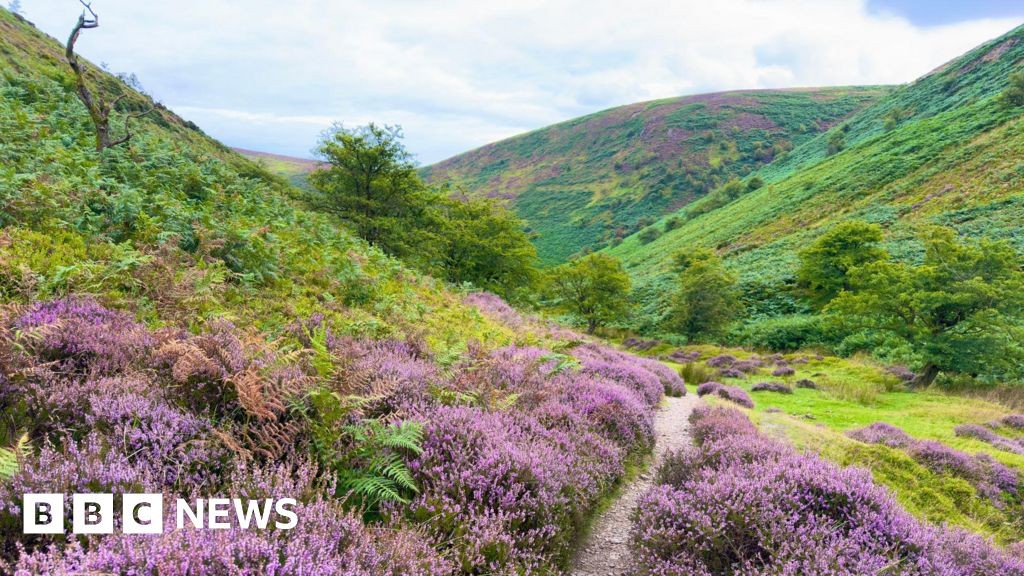
Shropshire has unveiled a comprehensive plan to revitalize its natural landscapes, marking a significant step in the fight against the UK’s ongoing biodiversity crisis. This initiative, known as a Local Nature Recovery Strategy (LNRS), aims to map out exactly where conservation efforts will have the greatest impact, helping to connect isolated habitats into a cohesive national network.
What is the LNRS?
The strategy is a direct result of the 2021 Environment Act, which mandates that local authorities develop specific plans to promote biodiversity. Rather than being a legally binding set of rules that forces landowners to change their habits, the LNRS acts as a strategic framework. It identifies “areas of opportunity”—the specific locations and ecosystems where intervention would yield the most benefit for wildlife and the environment.
This plan is part of the UK government’s broader 25 Year Environment Plan, a long-term effort funded by Defra to reverse nature decline within a generation. In Shropshire, the project is a collaborative effort led by Shropshire Council, with support from Telford and Wrekin Council, Natural England, and the Shropshire Wildlife Trust.
A Multi-Faceted Approach to Conservation
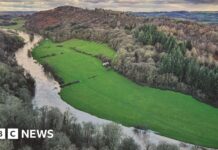
Shropshire is ecologically diverse, ranging from the iconic Shropshire Hills (an Area of Outstanding Natural Beauty) to unique upland ecosystems known as ffridd —a mix of bog, acid grassland, and bracken. To protect this variety, the strategy outlines 16 key priorities, including:
- Habitat Restoration: Focusing on peatlands, wetlands, and the “re-naturalisation” of river systems.
- Landscape Features: Protecting “veteran trees” and restoring much-needed hedgerow networks.
- Species Protection: Targeted action for 29 priority species facing decline.
Priority Species at Risk
The plan identifies specific animals and plants that require urgent attention to ensure their survival in the region:
* Mammals: Dormice, hedgehogs, pine martens, and water voles.
* Birds: Curlew, nightjar, dipper, lesser black-backed gull, and red grouse.
* Invertebrates & Plants: The pearl-bordered fritillary butterfly, the black darter dragonfly, and the green-winged orchid.
Balancing Nature with Local Needs
A critical challenge for any nature recovery plan is the tension between conservation and land use. Because much of Shropshire’s land is managed by the agricultural sector, the strategy emphasizes a collaborative approach with farmers.
“It is critical that we get the balance right between food production alongside nature,” noted project coordinators, highlighting that farmers can play a vital role by managing field boundaries and hedgerows to create new habitats.
Beyond ecology, the strategy addresses human concerns. Local residents have identified water management, flood control, and climate resilience as top priorities. Furthermore, local leaders suggest that a thriving natural environment isn’t just an environmental win, but an economic one, potentially boosting tourism and local commerce.
Community-Driven Planning
The Shropshire plan is notable for its high level of public engagement. Over two years, organizers held clinics, attended agricultural shows, and conducted surveys. During a 2025 consultation, the council received 3,782 comments —a figure reported to be higher than any other LNRS area to date. This level of input ensures the strategy reflects the actual priorities of the people living in and working the land.
Conclusion
The Shropshire LNRS provides a vital blueprint for reconnecting fragmented habitats and protecting vulnerable species. By aligning environmental goals with agricultural productivity and community needs, the strategy seeks to turn a “nature crisis” into a sustainable, thriving landscape.