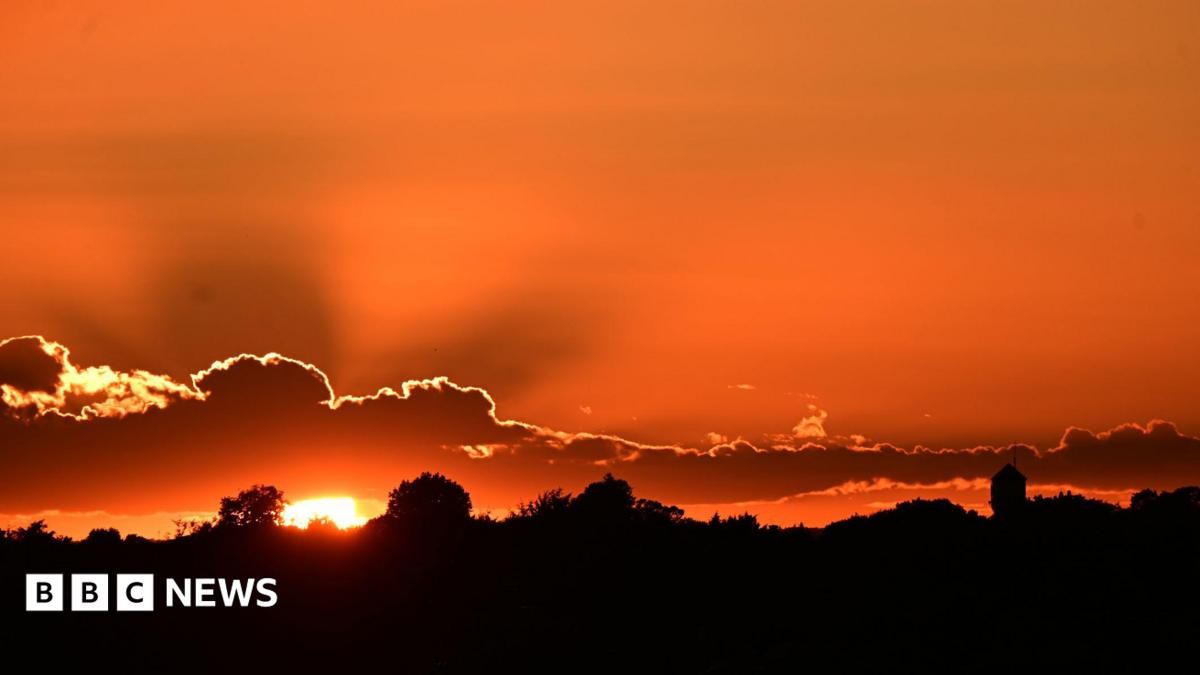
Over 2,700. Maybe. That’s the estimate from a team at Imperial College, the Met Office, and LSHTM. They ran the numbers based on what we know about heat and the human body. It is not a count. It is a model.
Most of them died in June.
The warmest June in English history. Lingwood, Norfolk hit 37.7°C. The previous record sat at 35.6°C since 1957. We smashed it. A red alert was issued. Rare. They told even healthy people that life was at risk.
May wasn’t safe either. 35.1°C at Kew Gardens. Back in 1922 we thought 32.8°C was hot. We were wrong.
Why?
A heat dome. Stalled high pressure. Trapped hot air right over us. Human-induced climate change made it worse. The planet has warmed roughly 1.4°C since the pre-industrial era. That baseline shift added another 3 to 4°C to our maximums in May and June. Tropical nights meant no cooling down while you slept.
UK homes are not built for this. They let heat in and trap it inside.
Your heart works harder to cool you off. If you are dehydrated? Worse. Babies and the elderly get hit hardest. But it’s a silent killer. Even the fit ones. It looks like nothing is wrong until the heart attacks and strokes start happening.
And June was humid. Wet air doesn’t let sweat evaporate. Your body can’t shed the heat.
Here’s the thing about these numbers.
Dr Clair Barnes from Imperial College wants these estimates to be wrong. “If by putting out these estimates… our estimates turn out to be high… I will be thrilled.”
Big numbers are bad numbers. We don’t want them to happen.
2025 proved that possible. Experts predicted nearly 3,040 deaths. Reality delivered roughly half that. Heat alerts work. The NHS and care systems stepping up helps. The UKHSA points to this as evidence that action matters.
But the trend is clear. Heatwaves get more frequent. Intense. Longer.
If we don’t cut emissions and adapt? Northern Europe could see heat deaths rivaling cold-related ones within twenty years.
Or not. Depends on how fast we change.
So what now?