A single mistake during cell division can have dramatically different consequences for human health, depending on how the error occurs. New research from Hokkaido University reveals that the specific mechanism behind a common cellular flaw—whole genome duplication (WGD)—dictates whether a cell survives to potentially cause cancer or simply dies off.
While scientists have long known that cells sometimes fail to split after copying their DNA, the assumption was that all such errors were functionally similar. This study challenges that view, showing that the route to duplication matters just as much as the duplication itself.
What Is Whole Genome Duplication?
To understand the significance of this finding, it helps to visualize the process. Before a cell divides into two, it must replicate its entire set of DNA so each new cell receives a complete genetic blueprint.
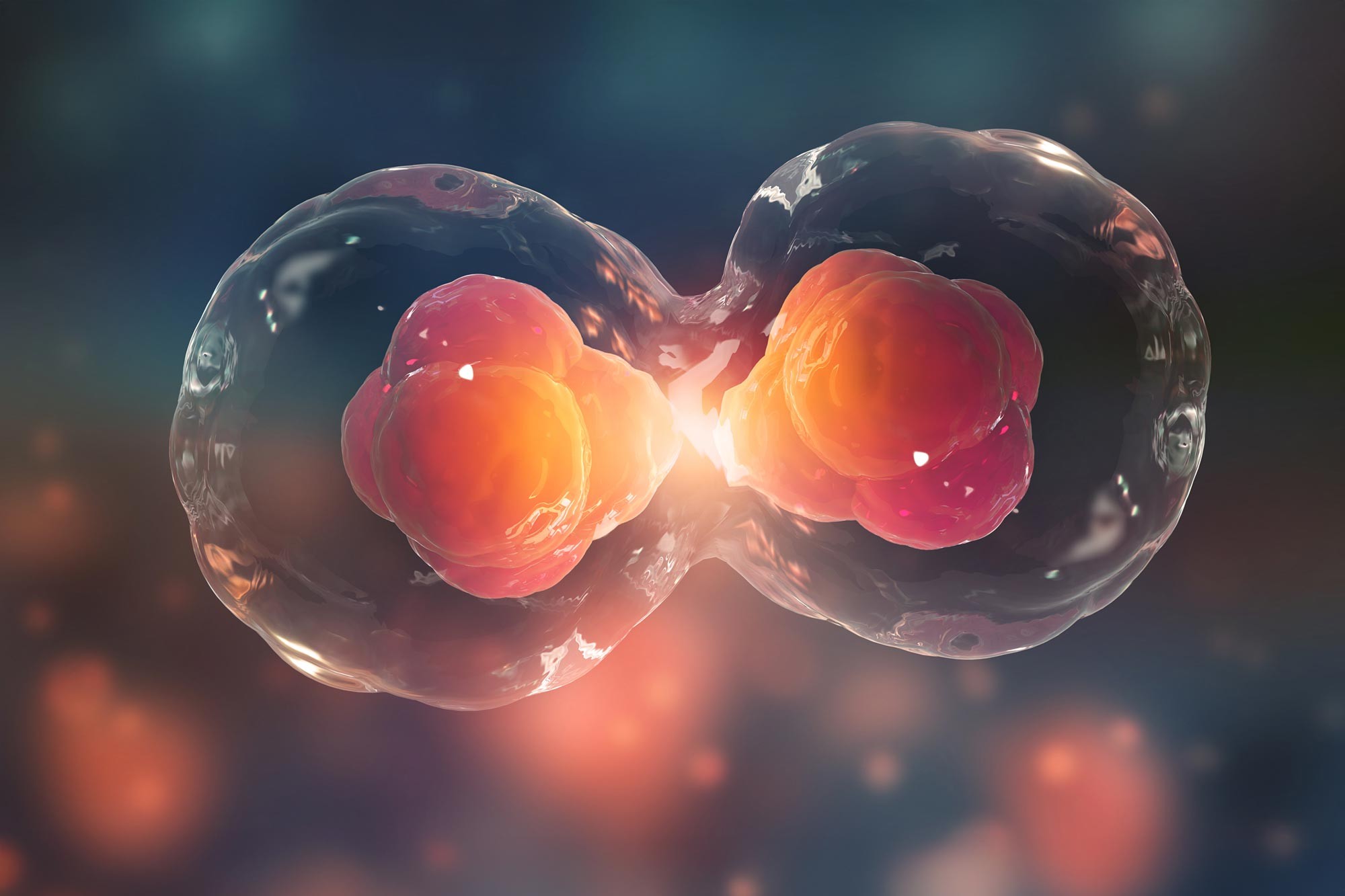
In a normal division, this DNA is copied and then separated into two new cells. However, errors can occur. Sometimes, the DNA is copied correctly, but the cell fails to physically split into two. The result is a single cell containing two full sets of DNA—a state known as whole genome duplication (WGD).
Think of it like making two photocopies of a document but placing both copies into the same folder instead of separating them into different files. This “double dose” of genetic material is not a minor glitch. It can lead to cell death, cellular inactivity, aging, or, most critically, the development of cancer.
Two Paths to Failure
The researchers focused on two distinct ways cells end up with duplicated genomes:
- Cytokinesis Failure: The cell completes the complex steps of nuclear division but fails at the final stage of physically splitting the cell body (cytoplasm).
- Mitotic Slippage: The cell enters the division process but exits too early, failing to properly separate its chromosomes before abandoning the division attempt.
“While whole genome duplication occurs through multiple cellular processes, it has been unclear whether differences in the route affect the characteristics of the resulting cells,” says Associate Professor Ryota Uehara, the study’s corresponding author.
Survival of the Fittest Genome
Using live-cell imaging and chromosome-specific labeling, the team tracked the fate of cells subjected to these two different failure modes. The results were striking:
- Cytokinesis Failure: Cells that failed to split physically tended to be more stable. They maintained a balanced distribution of chromosomes and had significantly higher survival rates.
- Mitotic Slippage: Cells that exited division early showed uneven chromosome distribution. This genetic imbalance made them less viable, leading to higher rates of cell death.
The key difference lay in how chromosomes were arranged. Mitotic slippage often results in chromosomes being separated unevenly, creating genetic instability that kills the cell. In contrast, cytokinesis failure preserves a more balanced genetic structure, allowing the cell to survive and potentially proliferate.
To confirm this link, the researchers experimentally improved chromosome separation in cells undergoing mitotic slippage. The result? These cells showed a marked recovery in viability, proving that chromosome arrangement is the critical factor determining survival.
Implications for Cancer Treatment
This distinction has profound implications for oncology. Whole genome duplication is a hallmark of many cancers, and some current cancer treatments may unintentionally trigger this process.
“There are different mechanisms through which whole genome duplication can occur, but their distinct impacts have largely been overlooked,” says Uehara. “We challenged this conventional view by comparing cells formed through different mechanisms and found that these differences can influence cell behavior over the long term.”
If a cancer treatment induces WGD via cytokinesis failure, it may inadvertently create stable, surviving cells that can drive tumor recurrence. Conversely, if the treatment induces mitotic slippage, the resulting genetic chaos may kill the cancer cells.
The study suggests that future therapies could be designed to target chromosome separation mechanisms specifically. By forcing cancer cells into the “mitotic slippage” pathway—where genetic imbalance leads to death—rather than the stable “cytokinesis failure” pathway, doctors might prevent tumors from regrowing after treatment.
Conclusion
This research shifts the focus from merely detecting DNA errors to understanding the mechanics of those errors. By distinguishing between the pathways that lead to whole genome duplication, scientists can better predict cellular outcomes and develop more precise strategies to eliminate cancer cells while sparing healthy tissue.