A 63-year-old man, known in medical circles as the “Oslo patient,” has achieved what was once considered nearly impossible: long-term remission from HIV without the need for daily medication.
Following a bone marrow transplant, researchers have found that the patient’s entire immune system has been effectively “rebooted,” leaving him resistant to the virus. This breakthrough was not a planned attempt to cure HIV, but rather a fortunate byproduct of treating a life-threatening blood cancer.
The Genetic “Lock”: Understanding CCR5 delta 32
The key to this medical success lies in a specific genetic mutation called CCR5 delta 32.
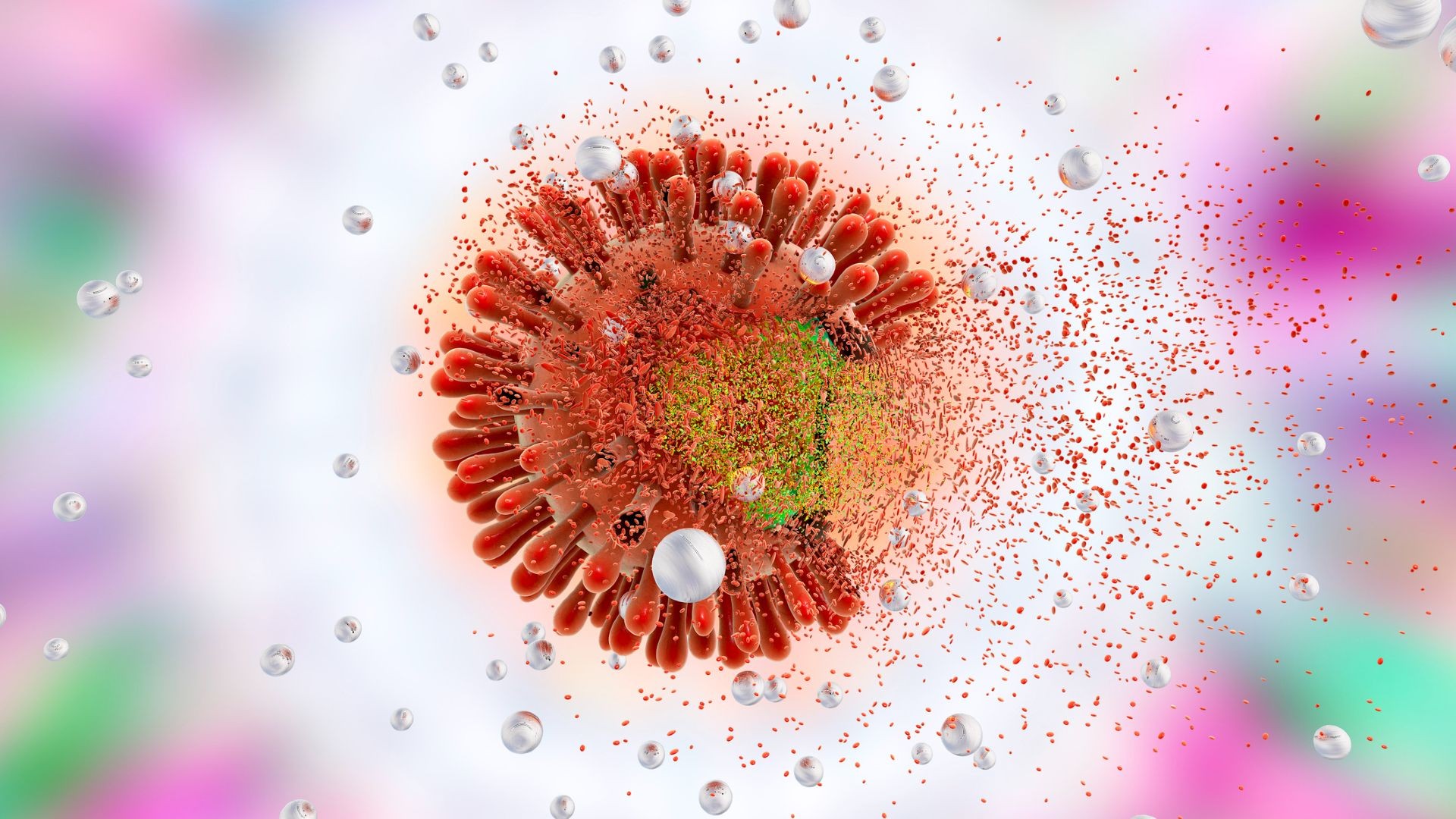
To understand why this matters, one must look at how HIV operates. The virus typically enters a person’s immune cells by latching onto a specific protein on the cell’s surface called CCR5. In individuals with the CCR5 delta 32 mutation, this protein is essentially missing or disabled.
- The Mechanism: Without the CCR5 protein, the virus has no “doorway” to enter the cell.
- The Donor: In this case, the patient’s brother carried two copies of this mutation, making his immune cells completely impenetrable to HIV.
- The Odds: The likelihood of finding a sibling match is roughly 25%, and the frequency of this specific double mutation in Northern European populations is only about 1%. As researchers noted, it was a rare convergence of medical necessity and genetic luck.
From Cancer Treatment to Viral Cure
The patient had been living with HIV since 2006, successfully managing the virus through Antiretroviral Therapy (ART). While ART prevents the progression to AIDS and stops transmission, it requires strict, lifelong adherence.
The path to a cure began when the patient was diagnosed with myelodysplastic syndrome, a form of bone marrow cancer. To treat the cancer, doctors performed a hematopoietic stem cell transplant, replacing his diseased marrow with healthy cells from his brother.
“He was cured for his bone marrow disease, which could be fatal, and he’s also most likely cured for HIV,” said Dr. Marius Trøseid, a professor at Oslo University Hospital.
Evidence of a “Functional Cure”
Two years after the procedure, medical teams conducted exhaustive testing to determine if the patient could safely stop his daily HIV medication. The results were conclusive:
- Immune Transformation: The new immune cells had completely replaced the patient’s original cells in his blood, bone marrow, and even his gastrointestinal tract.
- Zero Viral Replication: Out of 65 million CD4 T cells tested—the primary targets of HIV—not a single one was capable of replicating the virus.
- Immune Recognition: While the patient’s new immune system responds normally to common threats like influenza, it no longer recognizes HIV as a target, effectively rendering the virus “invisible” and unable to take hold.
The Broader Context: Why This Matters
While this case is a monumental scientific milestone, it is important to distinguish between a complete cure and a functional cure.
A complete cure would mean the total elimination of the virus from every corner of the body. A “functional cure” implies that the virus is so well-controlled or suppressed by the immune system that the patient no longer requires medication and remains healthy.
The Challenges Ahead
Despite the excitement, doctors caution that this method is not a universal solution for the 30 million people living with HIV worldwide:
– High Risk: Bone marrow transplants are invasive, dangerous, and carry risks like graft-versus-host disease.
– Scalability: Transplants are only feasible for patients who already require them for other conditions, such as cancer.
– Accessibility: The logistical and financial hurdles of such a procedure make it impossible to implement as a standard HIV treatment.
Looking Forward
The Oslo case serves as a vital “stepping stone.” By studying the patient’s transformed immune system, scientists hope to develop less invasive strategies, such as engineered antibodies, that could eventually provide a functional cure for the general population.
Conclusion: While stem cell transplants from genetically resistant donors are too rare to serve as a mass treatment, this case provides a blueprint for how we might one day engineer the human immune system to fight HIV without the need for lifelong medication.