Half the oxygen. Freezing winds. Barely any food.
You would assume nothing survives there.
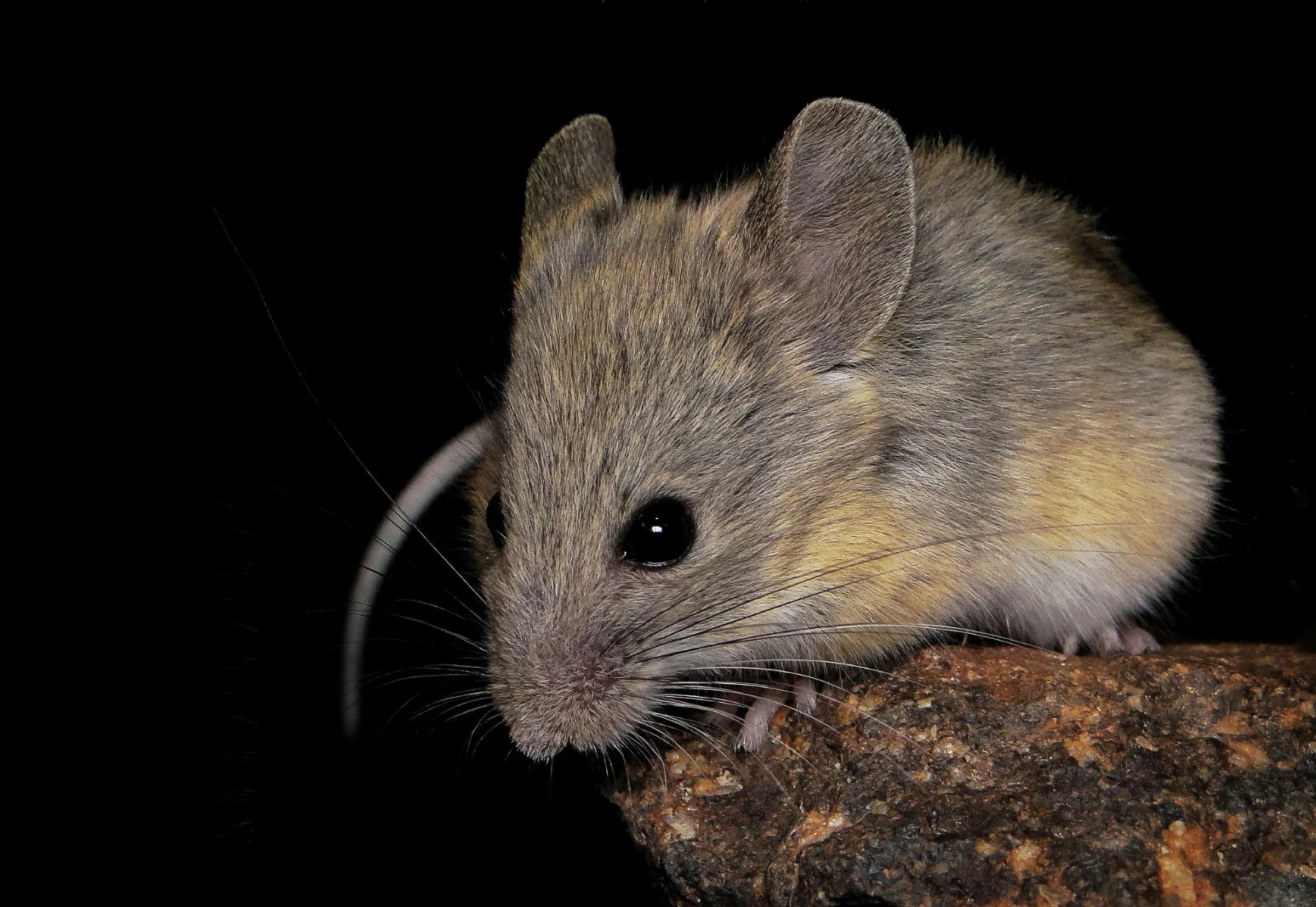
But the Andean leaf-eared mouse (Phyllotis vaccarum ) has rewritten the rules.
Found at 6,700+ meters, these rodents are shattering old biology textbooks. They live where the air is thin, the cold is absolute, and most mammals would perish in hours.
The Upper Limit Myth
Scientists used to think 5,500 was the hard cap. That is about 18,000ft. The altitude of the highest human towns. Beyond that, they reasoned, mammalian life was impossible.
It was completely unexpected.
That says Graham Scott from McMaster University.
They thought mammals could not exist that high.
The mice proved them wrong.
This finding forces us to ask: why can some animals live higher than others while their close relatives die out lower down?
It comes down to what these little guys do inside their bodies.
How Mice Outlast Mars Conditions
The answer is not magic. It is engineering.
Researchers compared high-altitude mice to those living near sea level. Same species. Different lives.
In labs mimicking 7,000-meter conditions, the highlanders didn’t just survive. They thrived. They held their heat better than lowlanders. Even with less oxygen. Even with colder temps.
This matters. Generating heat takes energy. Burning fuel needs oxygen. Thin air makes that math fail for most species.
The Andean leaf-eared solves this.
Muscle Like Marathoners
Their muscles look nothing like a sprinter’s.
They pack in mitochondria. The tiny power plants of the cell. More mitochondria mean more energy output. It sustains the burn. Keeps them warm through long nights of bitter wind.
They are more like a marathon runner than a Sprinter.
Scott puts it bluntly.
These mice don’t explode with speed. They endure. They manage their oxygen supply like pros.
It is an efficiency play.
The Hidden Fuel Source
Fat saves lives at this height.
Most animals burn glucose or protein. Too messy. Not enough return on investment when air is scarce.
The leaf-eared mice lean into fat stores. It burns hotter. Longer. This fuels both voluntary movement and brown adipose tissue. The specialized stuff that creates heat without shivering.
Essential for staying awake and warm in freezing voids.
But warmth isn’t the whole problem.
What Do High Altitude Mice Actually Eat?
There are no bushes at 22,000 ft. No lush pastures. Just rocks. Maybe some lichens. Insects blown up by storm gusts. Seeds stuck to boots.
Or feathers.
Genetic markers show adaptations in how their bodies process weird foods. They evolved better detox systems. Handling toxins from unfamiliar plants or fungal matter found on bare volcanic slopes.
This was a blind spot for scientists.
We focus on low oxygen… but how these animals deal with food was key.
Scott admits they missed that part.
Adapting to cold takes one set of genes. Handling garbage food takes another. You need both to live at the summit.
Redefining Limits
Nature is stubborn.
It will push boundaries when the pressure mounts. These mice aren’t surviving on a single superpower.
It’s the package. Muscles. Mitochondria. Fat metabolism. Digestion. Heat production.
Everything tweaked together.
The study landed in Science. A heavy hitter publication. It shows that what adaptations allow animals to survive extreme high altitude environments are complex layers, not silver bullets.
As climates shift everywhere else, these findings get relevant fast.
Temps change. Food shifts. Oxygen stays low but stress compounds. Animals face all pressures simultaneously.
We think it is just about heat.
It is rarely that simple.
The leaf-eared mouse proves limits are often wrong. Until something proves you right.
Which species will rewrite next?