A groundbreaking genetic analysis of a 700-year-old mummy from Bolivia has provided the first confirmed evidence that Group A Streptococcus (Streptococcus pyogenes ) was present in the Americas long before European contact. This discovery challenges previous assumptions about the historical distribution of the pathogen and offers a new window into the health of ancient Andean populations.
A Serendipitous Discovery in the Andes
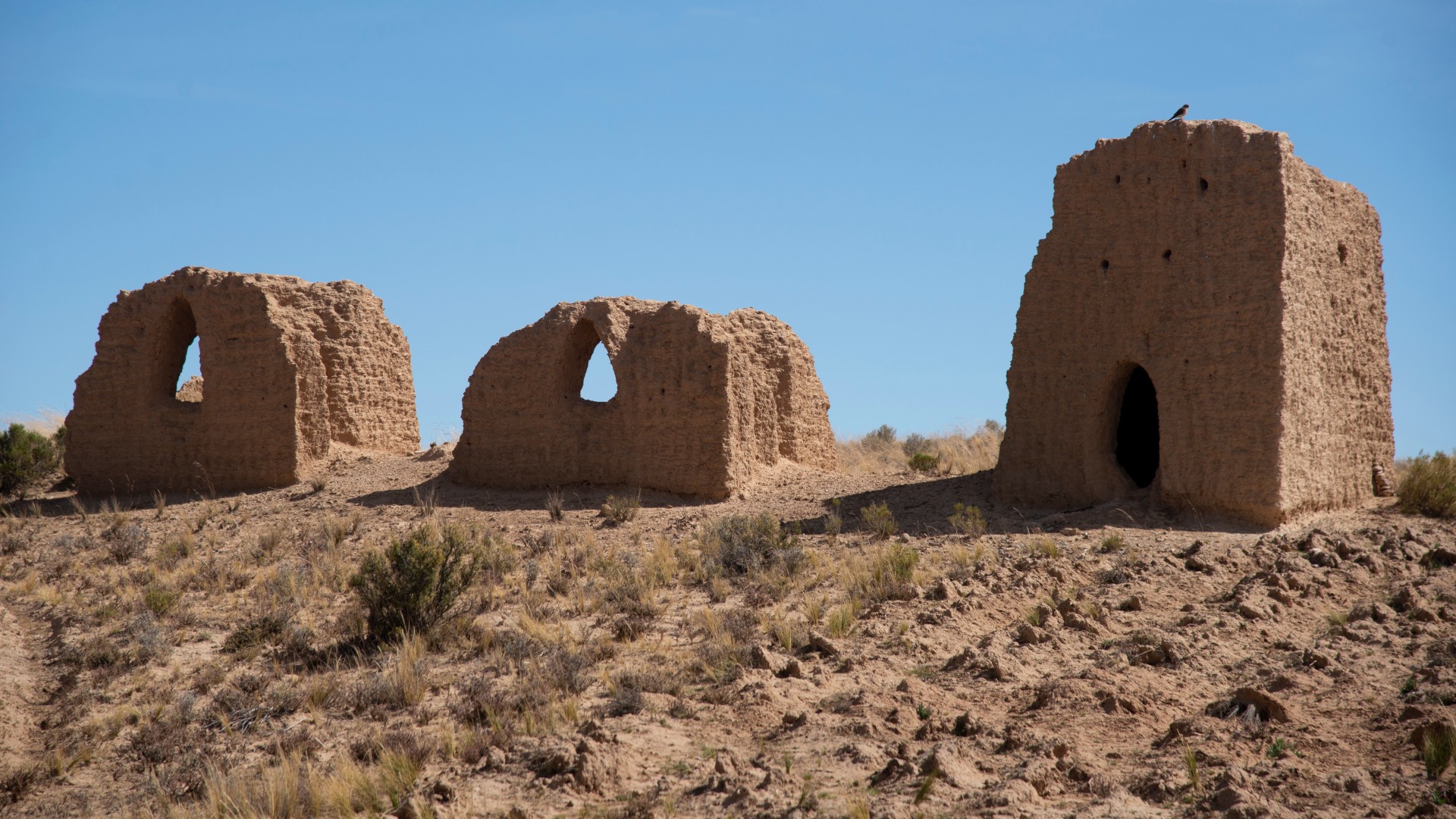
The discovery was not the primary goal of the research but rather a significant finding during a broader study of ancient DNA. Researchers from the Eurac Research Institute for Mummy Studies were analyzing naturally mummified remains found in chullpas —ancient funeral towers located across the Andean Plateau.
The subject of the study was a young adult male, characterized by a modified skull, who lived between 1283 and 1383. While examining the genetic material of the remains, scientists identified DNA from several microorganisms, most notably S. pyogenes and Clostridium botulinum (the bacteria responsible for botulism).
“We weren’t looking for this pathogen specifically,” explained Frank Maixner, director of the Eurac Research Institute and co-author of the study. “When conducting genetic analysis of mummies, we approach the work with an open mind, analyzing not only human genetic material but also the DNA of the numerous microorganisms present in human remains.”
Understanding the Pathogen: From Strep Throat to Scarlet Fever
Streptococcus pyogenes is a ubiquitous bacterium in the modern world. It is responsible for a wide range of illnesses, including:
– Mild infections: Common strep throat.
– Systemic illnesses: Scarlet fever, which was a leading cause of childhood death before the antibiotic era.
– Severe conditions: Necrotizing fasciitis (often called “flesh-eating disease”) and impetigo.
By isolating a near-complete genome from a single tooth of the mummy, researchers determined that this ancient strain was a “throat specialist.” This means the bacterium was likely causing respiratory infections like strep throat or scarlet fever, rather than skin-based infections. This conclusion is supported by the fact that these strains tend to thrive in cooler climates, much like the cold, dry environment of the Bolivian highlands.
Evolutionary Origins and Environmental Context
The genomic data provides a fascinating look at the evolutionary timeline of the bacteria. The analysis suggests that this specific strain diverged from other S. pyogenes lineages approximately 10,000 years ago.
This timeline is significant because it aligns with the period when humans were first migrating into the Andean region. Researchers speculate that early human settlers may have encountered local wildlife that acted as reservoirs for the pathogen, facilitating its introduction into human populations.
Factors Influencing Health in Ancient Bolivia
The study also provides context regarding the living conditions of the individual. The young man lived during a period of increasing population density and high migration rates in the Andes. Furthermore, bone analysis suggests his nutritional status was likely below average.
These factors—crowded living conditions and potential malnutrition—are known to weaken immune systems, making ancient populations more susceptible to outbreaks of infectious diseases. While researchers cannot confirm the exact cause of this specific individual’s death, the presence of the bacteria highlights the constant biological pressures faced by ancient societies.
Why This Matters for Science
This finding is a milestone in paleomicrobiology. Because S. pyogenes has historically been difficult to detect in ancient remains, our understanding of its evolution has relied almost entirely on modern strains. This discovery proves that the pathogen has a deep-rooted history in the Americas.
Moving forward, scientists aim to build a more comprehensive dataset of ancient and modern genomes across Europe, Africa, Asia, and the Americas. Such a global comparison is essential to fully mapping how strep has evolved and how it has shaped human history through disease and immunity.
Conclusion
The identification of Group A strep in a 700-year-old Bolivian mummy confirms that this common pathogen existed in the Americas long before European arrival. This discovery opens a new chapter in understanding how ancient diseases evolved and how they impacted the health of pre-Columbian societies.