


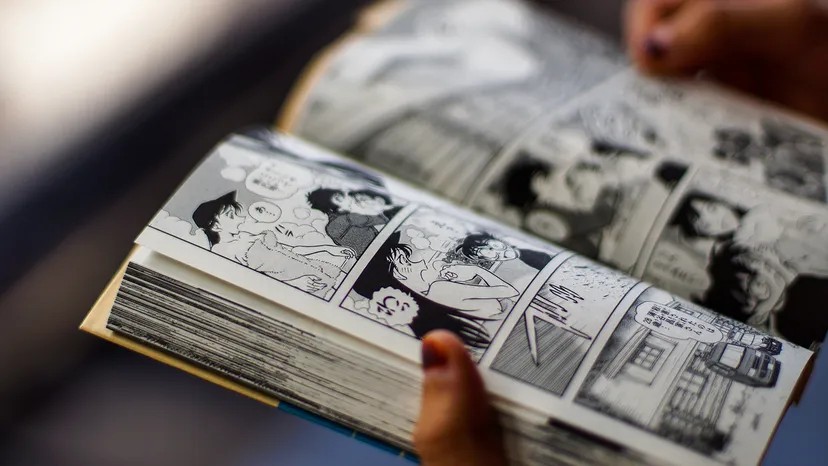

Manga isn’t just surviving; it’s thriving. The medium has shifted gears hard, moving from paper stacks to digital streams. The internet made this shift inevitable, replacing the trip to the bookstore with a tap on a screen. You don’t need to buy physical copies anymore. You don’t even need to borrow them from a friend.
But here’s the problem. The internet is vast. Too vast. For newcomers, the sheer volume of sites is paralyzing. Where do you start? Is that site legal? Will your device get infected?
We surveyed the landscape. We looked at the paid giants. We looked at the free options. The goal is simple: help you find quality manga without the headache. Whether you are a veteran reader or holding a digital manga reader for the first time, there are paths forward.
The Danger of “Free” Sites
Let’s be clear. The internet is full of “free” manga. Many are illegal.
Avoid them.
Pirated sites often host low-quality scans. They are clogged with malicious ads. They might trick you into downloading viruses. Worse, they hurt the industry. If you want to support the artists, stick to licensed platforms.
Some legitimate sites offer free content. But they usually have trade-offs. Wait times. Limited libraries. Heavy ad loads. It’s a balancing act.
Library Apps: The Underrated Goldmine
Before you sign up for another subscription, look at your local library. This is the most underrated way to read manga online. It’s free. It’s legal. And it’s easier than you think.
You don’t need to stand in line. Most library systems use apps. You can reserve, borrow, and read right from your tablet or phone.
Here is how it works: The library pays the publisher. The publisher gives the library a limited number of digital “copies.” The library lends these copies to you. It’s a rental model, but it feels like ownership.
The catch? Availability. Popular titles get checked out. You might have to wait. But for classic series or niche titles, it’s often a treasure hunt.
Hoopla: No Wait, No Problem
Hoopla is different. It doesn’t use holds. It doesn’t make you wait in line.
If your library subscribes to Hoopla, and the title is in their catalog, you can download it immediately. Start reading. Now.
You still need a library card. You can get one at your local branch. Then, download the app. Browse. Pick a title. Borrow it.
The collection is mixed. You’ll find classics. You’ll find obscure titles you never heard of. It’s a great way to discover something new without risking your wallet.
Libby: The Heavyweight Champion
Libby is the app most library systems use for ebooks and audiobooks. Manga publishers sell licenses to libraries. Libraries make those licenses available to users.
The downside? You might find a title locked. If everyone else is reading One Piece, you’ll wait. But the upside is huge.
Libby often has titles that other paid platforms don’t. Why? Because libraries buy what they think their community wants. That means unique selections. Deep cuts.
Your experience depends on your local library. Some systems have massive catalogs. Others are sparse. Check yours. You might be surprised by what’s there.
Waiting for a library hold? The digital manga landscape offers faster, albeit often paid, alternatives. While Hoopla and Libby are staples for free access, they require patience. If you want immediate gratification or specific titles that never make it to public libraries, you need to look at dedicated publishers and aggregators.
These platforms focus primarily on manga, though many stock graphic novels and comics too. The business model is clear: ad revenue and free previews won’t keep the industry alive. You will eventually need to pay. Some sites use subscriptions for unlimited reading. Others charge per volume. You pick your poison.
Viz Media
Viz Media dominates the English manga market. It is the largest publisher of its kind in the US. Their library is massive. If a series has an official English release, Viz probably has it.
The site is user-friendly. You can read directly in your browser or download content via their app. Most titles offer free previews of the first few chapters. To read the full story, you pay. This supports professional translation and high-quality scanning. It is the safe, reliable choice for mainstream hits and hidden gems alike.
Manga Plus by Shueisha
Shonen fans have a direct line to Japan through Manga Plus. This is the official English platform for Shueisha, the publisher of Shonen Jump. That means you get chapters simultaneously with Japan. No more waiting for local releases.
Popular titles include Chainsaw Man, My Hero Academia, Demon Slayer, and One Piece. The app offers free access to the first three chapters of most series. New chapters are added weekly. It is the best place to catch up on current trends without the lag.
Crunchyroll Manga
Everyone knows Crunchyroll for anime. They also host a significant manga library. The quality matches their video standards. Scans are clean. The interface is familiar if you already stream their anime.
The library is extensive. It covers various genres, not just action. If you are already subscribed to Crunchyroll for anime, check if manga is included in your plan or available for separate purchase. It is a convenient hub for otaku who want both mediums in one place.
Kodansha Comics
Kodansha is another heavyweight in the industry. They publish a wide array of genres and artists. Their digital storefront allows you to buy individual volumes or subscribe to specific series.
They frequently offer free first chapters or limited-time free reads. This is a good way to test a series before committing. Their catalog includes both mainstream hits and niche titles. If you prefer supporting a specific publisher’s ecosystem, Kodansha’s digital platform is robust and reliable.
MangaOwl
Not every platform is an official publisher. MangaOwl is an aggregator. It is messy. It is not curated. It is also free.
The selection is vast. Thousands of titles are available without payment. If you are broke or just browsing, it is easy to dive in. Fan ratings help you sort through the noise. However, the experience is compromised by ads. Pop-ups are frequent. The reading interface is clunky compared to official stores.
Is it worth it? For the price, yes. But be prepared for a less polished experience. It is a place to consume, not to collect.
Which Platform Fits Your Habit?
Your choice depends on what you value. Speed? Manga Plus gives you chapters as they air in Japan. Quality and ethics? Viz and Kodansha pay creators directly. Variety? Crunchyroll offers anime and manga in one login. Budget? MangaOwl is free, but you pay with your attention span and ad fatigue.
The industry needs revenue. Free sites like MangaOwl exist, but they do not support creators in the same way. Official platforms ensure translations are accurate and scans are high-res. They keep the lights on.
Where do you draw the line? Some readers switch between free libraries and paid sites depending on the title. Others subscribe to one service for unlimited access. There is no right answer. Just what works for your wallet and your reading speed. The next chapter is always a click away, provided you are willing to pay for it.