Friday, July 3. Look up. It’s still bright. But the light is fleeing.
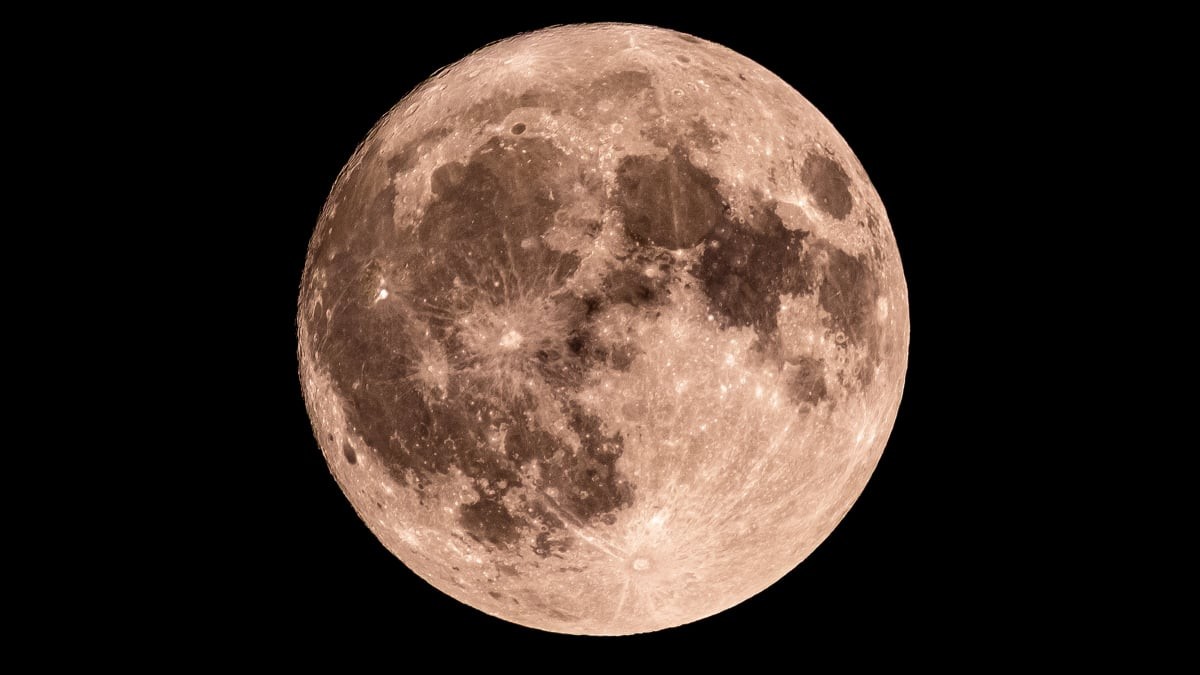
Tonight brings the Waning Gibbous moon again. The cycle turns away from the Full Moon. Toward the New Moon. Every night after this one the disk shrinks. The glow dims. You’ll notice it if you actually look.
NASA’s Daily Moon Guide says 90 percent of the surface is visible right now. That is a lot of moon to miss if you aren’t watching.
You don’t need gear. Just eyes. Look for Mares Imbrium and Mares Serenitatis. See the Copernicus Crater too. They sit there in the dark plains. Waiting for you. Binoculars? Sure. Clavius Crater shows up then. Mare Frigoris. The Grimaldi Basin comes into view.
Got a telescope. Better yet.
You get all that. Plus the Apollo 14. Apollo 15. Apollo 16. Landing spots etched into the dust. Human history written in grey.
When is the next time we get the full blast of light? July 29.
Eighteen days. Give or take.
So how does it work anyway. NASA breaks it down simply enough. The moon orbits Earth in 29.5 days. It moves through eight distinct phases. The same side always faces us. The sun doesn’t always shine on that same side. As it travels around us. The illumination changes. The shape shifts. Slender crescent to half. Quarter to gibbous. Finally full. Then the reverse happens. This is the lunar cycle. A relentless clockwork.
New Moon. The moon sits between Earth and sun. We see the dark side. Nothing. It vanes from the sky.
Waxing Crescent. A sliver appears on the right. If you are in the Northern Hemisphere. Light builds slowly.
First Quarter. Half the disk lights up. The right half. A stark semi-circle.
Waxing Gibbous. More than half now. Not full. Just swollen with light.
Full Moon. All of it. Bright and undeniable.
Waning Gibbous. Now it starts losing ground. Light peels away from the right.
Third Quarter. Half again. But different. The left side glows now. Symmetry achieved. Or maybe just lost.
Waning Crescent. A final thin strip on the left. Fading fast. Then dark again.
The cycle begins over. Always. We watch. We forget. We watch again.