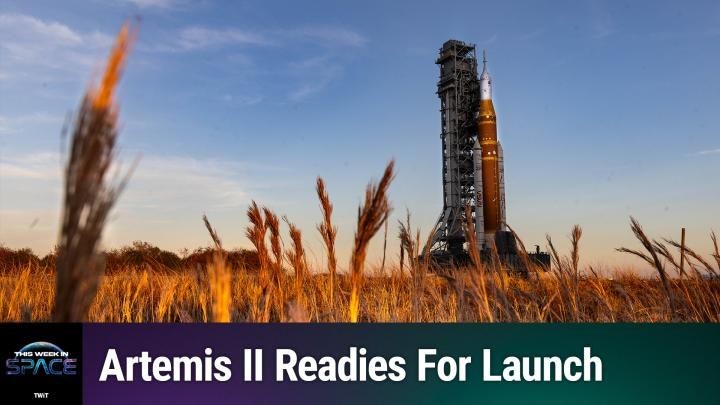
NASA’s Artemis II mission is poised for launch as early as April 1st, with the rocket already moved to Launch Complex 39B at Kennedy Space Center. The update comes from the latest episode of This Week in Space, featuring insights from spaceflight editor Mike Wall of Space.com, alongside hosts Rod Pyle and Tariq Malik. Notably, this time around, NASA will skip the usual “wet dress rehearsal” – a full-scale fueling test – after Administrator Lori Glaze expressed confidence in proceeding directly to launch once fueling is successful.
Crew and Coverage Preparations
The Artemis II crew is scheduled to arrive at KSC soon for pre-flight quarantine. This Week in Space co-host Tariq Malik will also be on-site to provide launch coverage. This mission marks a critical step in NASA’s Artemis program, aiming to establish a sustainable human presence on the Moon.
Beyond the Moon: Space Industry News
The episode also touched on other industry developments:
- Blue Origin’s Asteroid Defense: Jeff Bezos’ company is exploring methods to protect Earth from potentially hazardous asteroids.
- Northern Lights Boost: The spring equinox may enhance visibility of the Aurora Borealis.
- Space Exploration Models: Model rocket maker Estes has released a detailed, launchable scale model of SpaceX’s Falcon 9 for $149.99 (with a 10% discount using code IN-COLLECTSPACE).
The Voices Behind the News
This Week in Space is hosted by Rod Pyle, a seasoned space journalist and author of 18 books on space exploration, and Tariq Malik, Space.com’s Editor-in-Chief with 18 years of experience covering spaceflight. Their podcast provides in-depth analysis of the evolving space age.
The Artemis II launch is a landmark moment, but it’s just one piece of a much larger push towards long-term lunar and interplanetary missions. The industry’s growth, from private companies to NASA’s ambitions, is reshaping the future of space travel.
The mission’s progress signals a renewed commitment to space exploration, but also raises questions about the balance between rapid advancement and thorough testing protocols. The decision to bypass the wet dress rehearsal could expedite the launch but also carries inherent risk.