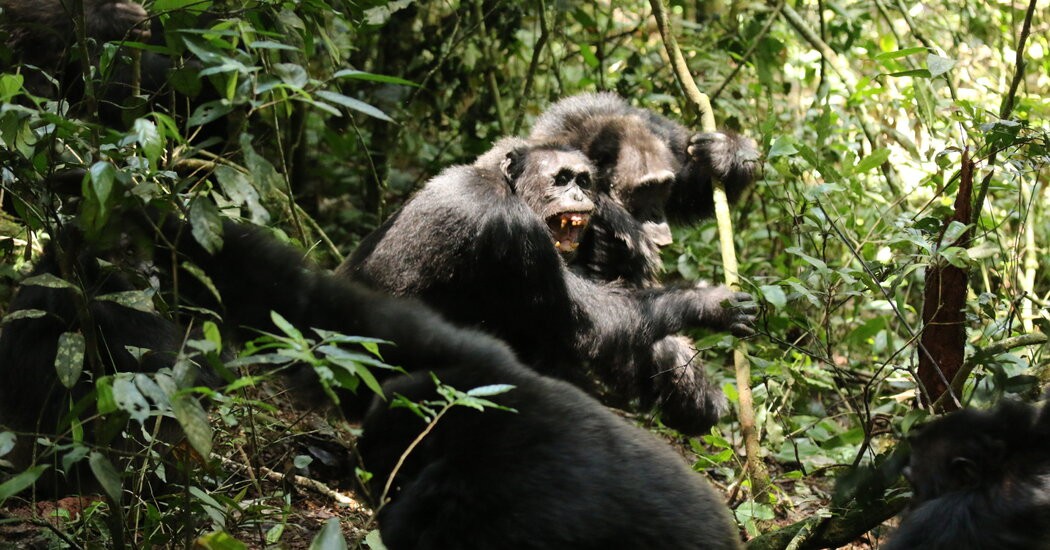
For nearly three decades, scientists have meticulously documented the lives of a unique chimpanzee population in Uganda’s Kibale National Park. What began as a study of social bonds and biological milestones has evolved into a chilling observation of organized violence. The Ngogo chimpanzees are currently engaged in what researchers describe as a “primate civil war”—a sustained, lethal conflict that defies previous understandings of chimpanzee behavior.
A Decades-Long Study of Social Complexity
Since 1995, the Ngogo Chimpanzee Project has provided a rare, long-term window into the lives of our closest living relatives. The research, highlighted in the 2023 documentary Chimp Empire, has uncovered several groundbreaking biological and social traits within this specific group:
- Complex Male Alliances: Male chimpanzees in the Ngogo group form deep, enduring bonds. They work together for years to hunt and patrol the boundaries of their territory.
- Biological Anomalies: Researchers discovered that female Ngogo chimps may experience menopause, a biological phenomenon previously documented only in humans among primates.
- High Population Density: Unlike many other chimpanzee groups, the Ngogo community is exceptionally large, with over 100 individuals inhabiting a relatively small territory of approximately 10 square miles.
The Emergence of Organized Warfare
The most startling discovery, however, is not a biological trait but a social one. Approximately a decade ago, the Ngogo community split into two distinct factions. Since that schism, the two groups have been locked in a highly lethal conflict.
This is not merely isolated instances of aggression or territorial disputes; it is a sustained period of bloodshed that researchers have never before witnessed in chimpanzee populations. The scale and duration of this violence suggest a level of organized, factional warfare that mirrors human history.
Why This Matters: Seeking the Roots of Human Violence
The conflict in Uganda is more than a biological curiosity; it is a window into the evolutionary origins of human behavior. By studying how these chimpanzee factions formed and why they continue to fight, scientists hope to understand the fundamental drivers of intergroup warfare in our own species.
Understanding whether such violence is triggered by resource scarcity, territorial expansion, or social group identity could provide vital clues into the roots of human conflict.
Uncertain Future for Research
Despite the profound implications of these findings, the future of the Ngogo Chimpanzee Project remains uncertain. Recent proposed budget shifts in the United States have cast doubt on the continued funding required to sustain such long-term, intensive field research.
If the study is interrupted, we risk losing the ability to observe the resolution—or the total collapse—of this primate war, leaving critical questions about the nature of violence unanswered.
Conclusion
The ongoing conflict among the Ngogo chimpanzees represents a landmark moment in primatology, offering a rare look at organized warfare in the animal kingdom. As researchers struggle to secure funding, the opportunity to learn how such violence begins and persists remains a critical, yet fragile, frontier of science.