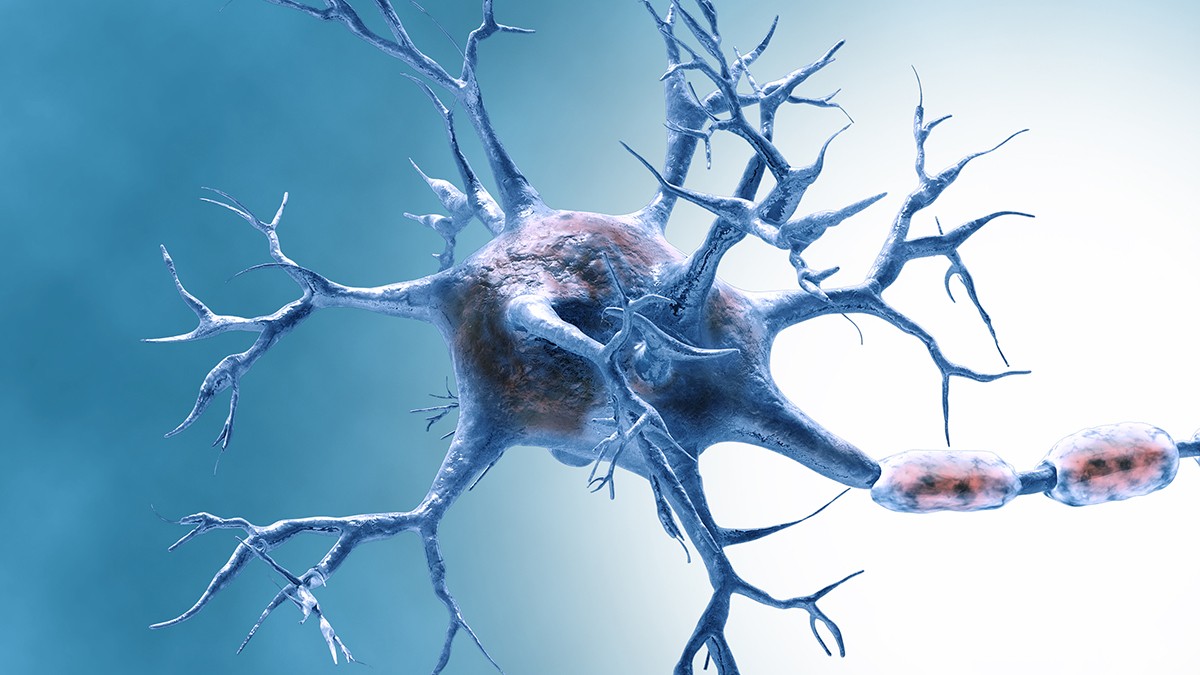
Scientists have identified a key protein, DMTF1, that appears to restore neuron production in aging brains, offering a potential breakthrough in understanding and possibly reversing age-related cognitive decline. As we age, our brains naturally produce fewer new brain cells, leading to reduced learning capacity and increased vulnerability to neurological diseases. This research pinpoints a mechanism for restoring youthful neuron growth at a cellular level.
The Science of Aging Brains
The decline in neuron production is linked to the deterioration of telomeres – protective caps on DNA that fray with each cell division. This wear and tear impairs cells’ ability to replicate, contributing to cognitive decline. Researchers at the National University of Singapore (NUS) focused on neural stem cells (NSCs), the precursors to neurons, which become less active with age.
DMTF1: The Key to Neuron Regeneration
The study, led by Derrick Sek Tong Ong, revealed that DMTF1, a transcription factor, is more abundant in younger brains and stimulates NSC growth when introduced to aging cells. This protein doesn’t simply counteract the effects of shortened telomeres; it bypasses them entirely by activating helper genes (Arid2 and Ss18) that restore the neuron-creation process.
The research involved lab analysis of human NSCs and experiments with mice, demonstrating that artificially increasing DMTF1 levels encouraged NSCs to grow and divide, effectively restoring the neuron production associated with younger brains. This suggests that the aging brain may not be irreversibly damaged, but rather stalled in its natural regenerative processes.
Implications and Future Research
“Our findings suggest that DMTF1 can contribute to neural stem cell multiplication in neurological aging,” states neuroscientist Liang Yajing. While promising, this discovery is still in its early stages. The research needs validation through more extensive animal studies before human trials can be considered. Furthermore, the link between DMTF1 and cell growth raises concerns about potential tumor formation if the protein is overstimulated.
Why This Matters
The allure of reversing brain aging is strong, given the increasing prevalence of age-related cognitive decline, dementia, and neurodegenerative diseases. Existing lifestyle interventions such as diet and exercise can help, but a targeted biological mechanism like DMTF1 offers a more direct approach. The study adds to a growing body of research seeking ways to slow, stop, or even reverse the aging process in the brain, laying the foundation for potential future therapies.
This is a crucial step in understanding the fundamental processes behind brain aging. While practical treatments are still years away, the identification of DMTF1 provides a clear target for future research and a glimpse into the possibility of restoring lost cognitive function.