While full-frame cameras often dominate discussions about astrophotography, smaller sensor systems like APS-C and Micro Four Thirds (MFT) offer compelling advantages – particularly in portability and affordability. These cameras can deliver surprisingly high-quality results, making them ideal for both beginners and experienced photographers who prioritize mobility.
The key to selecting the right APS-C or MFT camera for night sky imaging isn’t about chasing top-end specs, but understanding your shooting style and desired outcomes. Sensor size matters: APS-C generally performs better at high ISOs than MFT, but stability, lens options, and usability are equally critical. Plus, these systems often provide a more accessible entry point into astrophotography than pricier full-frame models.
Here’s a breakdown of standout APS-C and MFT bodies, each excelling in different areas:
Top Picks for Every Astrophotographer
Best Overall: Sony A6700
This is Sony’s latest APS-C flagship, boasting exceptional autofocus and image quality across various shooting scenarios. The A6700 delivers clean high-ISO performance, making it a versatile all-rounder for nightscapes and everyday photography. Its built-in stabilization is a bonus for handheld shots in twilight conditions.
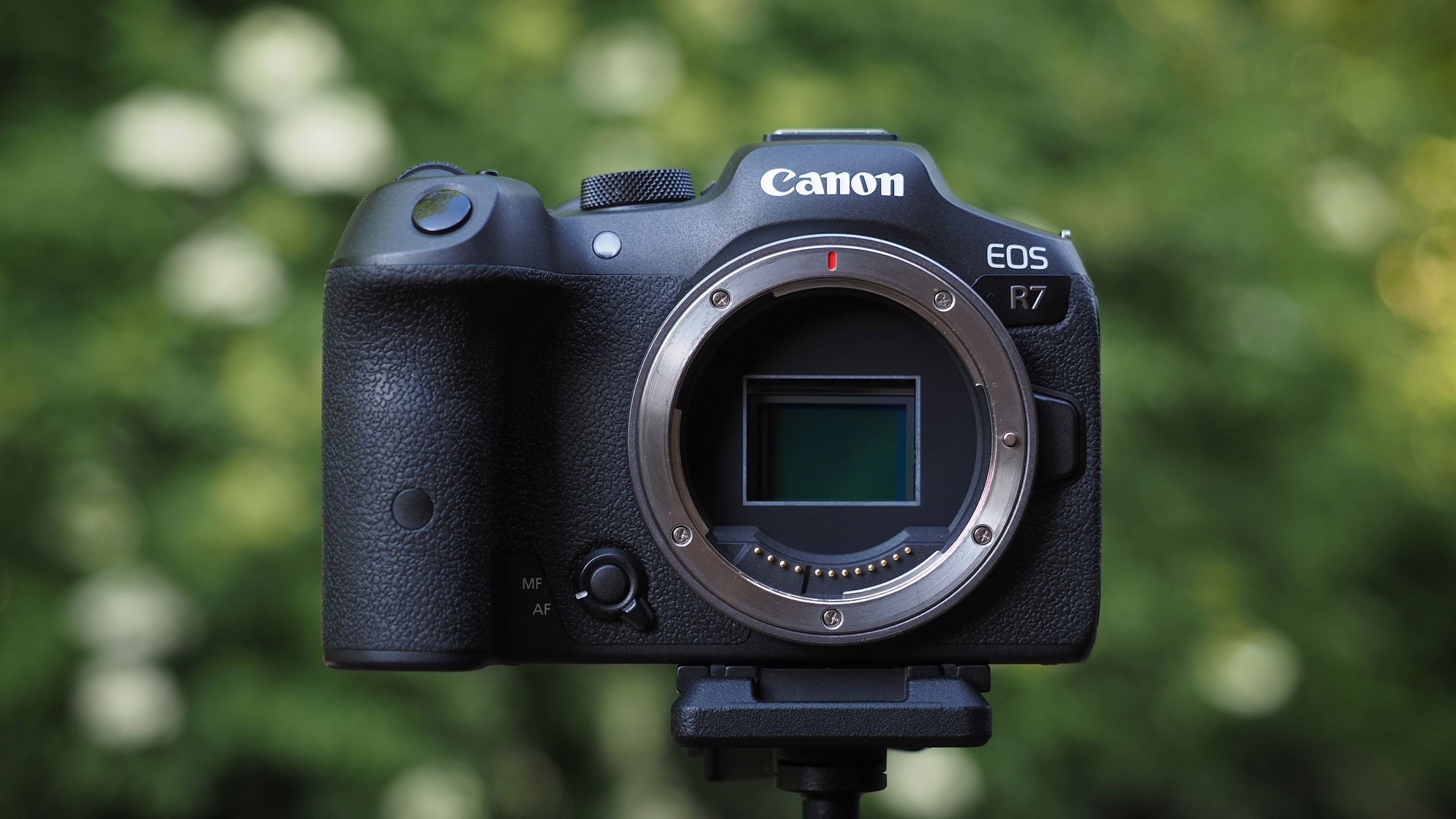
Best for Deep-Sky: Canon EOS R7
The R7’s high-resolution sensor (32.5 megapixels) captures extreme detail, ideal for printing or aggressive cropping. Its 1.6x crop factor works well with long telephoto lenses for lunar or deep-sky tracking. However, Canon’s limited native RF-S lens options may require additional investment.
Best Battery Life: Fujifilm X-S20
If long overnight shoots are your priority, the X-S20 won’t disappoint. With up to 800 shots per charge, it ensures you won’t run out of power in the field. Fujifilm’s color science also provides pleasing base files. Be aware that Fujifilm lenses can be expensive.
Best for Enthusiasts: Nikon Z fc
This retro-styled camera offers a charming user experience with tactile controls. While it lacks in-body stabilization, its compact size and versatility make it a great choice for beginners or casual nightscape photographers. Lens options are more limited compared to other systems.
Best Astro Features: OM System OM-5 Mark II
This lightweight camera is designed for astrophotographers on the move. Its compact build and two built-in astro features make it an excellent choice for keeping weight down during travel. It sacrifices some high-ISO performance for portability.
Best for Handheld Low-Light: Panasonic Lumix G9 II
This camera is an investment, but its 8 stops of image stabilization excel in handheld low-light shooting and tripod-mounted astrophotography. It’s a premium option for serious low-light enthusiasts.
Why These Choices Matter
The current trend towards smaller, lighter camera systems reflects a growing demand for portability without sacrificing image quality. Astrophotography often involves remote locations and long nights in the field, where carrying heavy gear can be impractical. These APS-C and MFT cameras bridge the gap, providing high-performance capabilities in a more manageable package.
The choice between APS-C and MFT also depends on budget and lens ecosystem. APS-C generally offers better high-ISO performance, while MFT provides a wider range of affordable lenses.
Ultimately, the best camera is the one that fits your workflow and allows you to capture the night sky effectively.
Final Thoughts
Whether you’re a beginner or a seasoned astrophotographer, APS-C and Micro Four Thirds systems offer compelling alternatives to full-frame cameras. By carefully considering your priorities and budget, you can find a camera that delivers stunning results without breaking the bank. The right tool, combined with patience and technique, will unlock the beauty of the cosmos.