This week saw significant advances across multiple scientific disciplines, from groundbreaking medical approvals to surprising discoveries in the natural world. Here’s a rundown of the key developments:
Anti-Aging Supplements and Cancer Risk
Recent research highlights a potential downside to popular anti-aging supplements containing polyamines. While not directly causing cancer, these compounds can accelerate tumor growth in existing cancers by providing fuel for rapid proliferation. This finding underscores the importance of evidence-based supplementation and careful consideration of health products. The study clarifies that polyamines aren’t a universal risk, but their use by individuals already at risk should be approached cautiously.
The Appendix: Not Just a Vestige
The human appendix, long considered an evolutionary leftover, is proving to be more important than previously believed. Scientists confirm that it’s been repeatedly “reinvented” through evolution, playing a role in immune function. This challenges the idea of useless organs and demonstrates that biological systems often retain functions beyond immediate necessity. The appendix may be marginal now, but understanding these traits helps refine modern medicine.
Fireball Over Europe: ESA Investigates
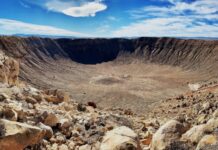
The European Space Agency (ESA) is investigating a bright fireball that streaked across European skies on March 8th, damaging a home in Germany. Witnessed across Belgium, France, Germany, Luxembourg, and the Netherlands, the meteor event lasted approximately six seconds. The ESA’s investigation will help refine tracking and risk assessment for future events.
Stem Cell Therapies Approved in Japan
Japan has become the first country to approve stem cell treatments for Parkinson’s disease and heart failure. Patients are expected to begin receiving these therapies within months, marking a significant step forward in regenerative medicine. Health minister Kenichiro Ueno expressed hope that this will bring relief to patients worldwide.
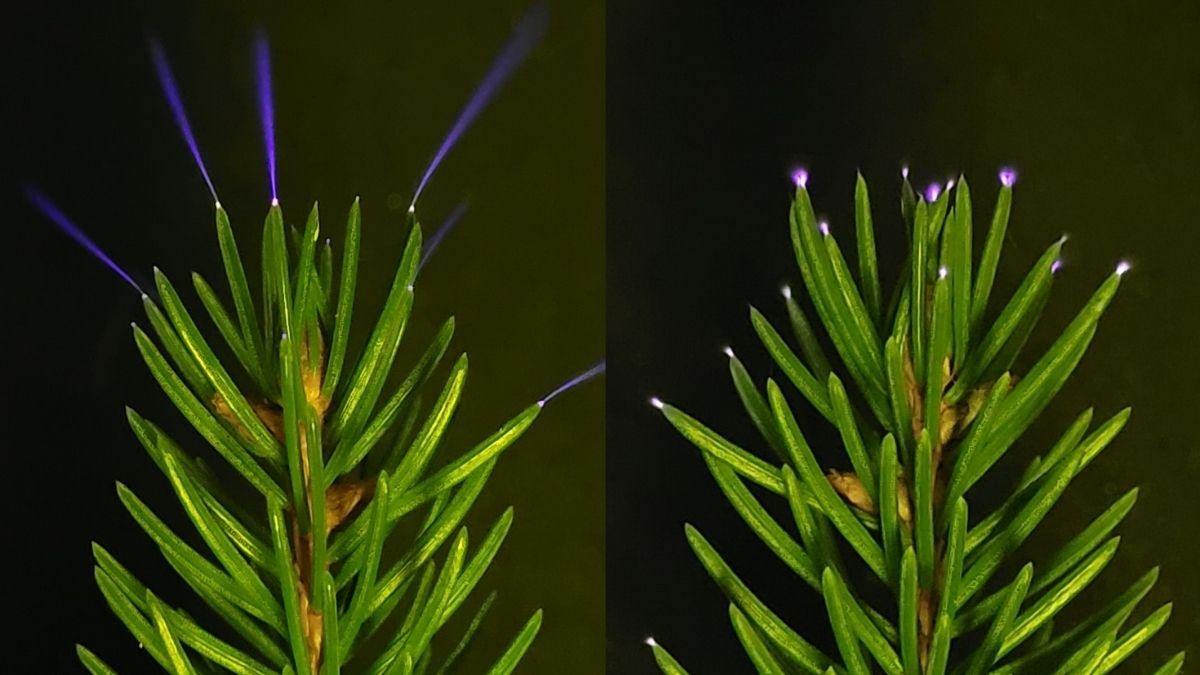
Trees Glow During Thunderstorms
For the first time, scientists have detected ultraviolet (UV) light emissions from tree leaves during thunderstorms. Meteorologist Patrick McFarland describes the effect as a “cool light show” similar to thousands of UV-flashing fireflies. This unexpected phenomenon suggests previously unknown interactions between lightning and vegetation.
Bumblebee Queens: Underwater Survivalists
Bumblebee queens have been observed surviving underwater for up to a week using a “physical gill”. This adaptation allows them to breathe underwater, enabling survival during floods or environmental crises. The discovery underscores the hidden resilience of certain species against extreme conditions. The ability to endure underwater highlights that even small creatures may have unexpected survival mechanisms.
In conclusion, this week’s scientific breakthroughs span medicine, space exploration, and natural phenomena. From cancer risks to glowing trees, these findings highlight the ongoing complexity and dynamism of scientific discovery.