


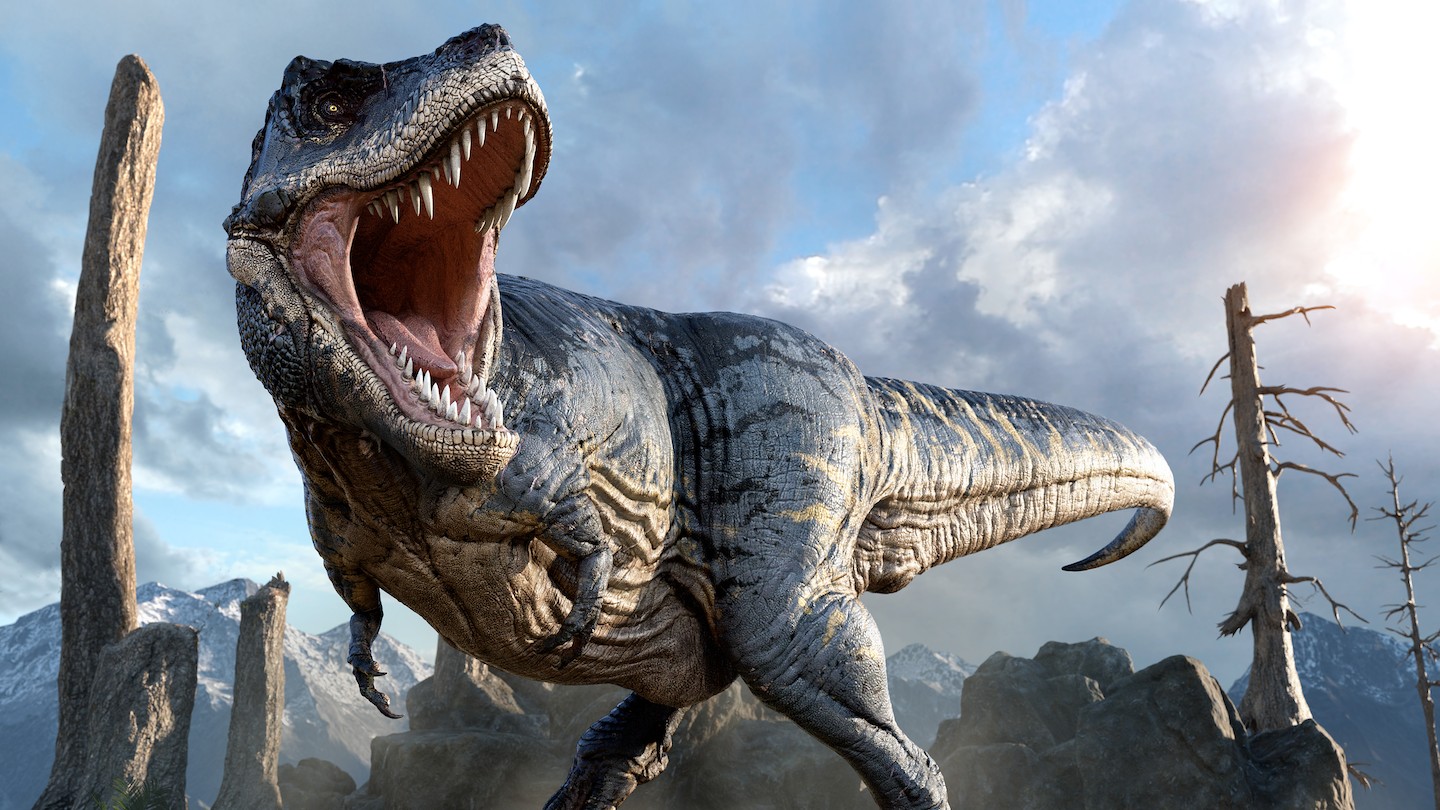
The Tyrannosaurus rex (often shortened to T. rex) stands as one of the most iconic dinosaurs in history, representing the apex predator of the late Cretaceous period. However, understanding this creature requires context about the larger world it inhabited, the evolutionary history of dinosaurs, and how our knowledge of them has evolved.
The Age of Dinosaurs: A Timeline
Dinosaurs first emerged roughly 243 million years ago, descendants of archosaurs—an early group of egg-laying reptiles. Over time, these reptiles diversified into two primary lines based on hip structure. One, the saurischians, included theropods like T. rex and the long-necked sauropods such as Apatosaurus. The other, the ornithischians, led to dinosaurs like stegosaurs and duckbilled species.
The Mesozoic Era is divided into three periods: Triassic, Jurassic, and Cretaceous. The Jurassic Period (200–145.5 million years ago) saw dinosaurs become the dominant land animals. The Cretaceous Period (145–66 million years ago) was marked by a warmer climate, flourishing forests near the poles, and the rise of flowering plants. It was also a period of significant geological activity, including massive volcanic eruptions that altered ocean ecosystems.
Tyrannosaurs: An Evolutionary Lineage
Tyrannosaurs first appeared in the late Jurassic Period, roughly 150 million years ago. These were carnivorous dinosaurs that persisted until the end of the Cretaceous Period, about 65 million years ago. The most famous member of this lineage is Tyrannosaurus rex, a 12-meter (40-foot) predator that dominated its environment.
The Cretaceous-Paleogene Extinction Event
The reign of dinosaurs came to an abrupt end 66 million years ago with the Cretaceous-Paleogene extinction event. A massive asteroid impact triggered rapid climate change, leading to the extinction of all non-avian dinosaurs. However, one group survived: the saurischians. These evolved into modern birds, retaining many dinosaurian traits like laying eggs and possessing feathers.
Paleontological Insights
The study of dinosaurs relies on fossils : preserved remains or traces of ancient life. These can include bones (body fossils), footprints (trace fossils), or even fossilized excrement. Paleontologists analyze these fossils to reconstruct the anatomy, behavior, and evolutionary relationships of extinct organisms. The process of fossilization itself is complex, requiring specific geological conditions for preservation.
Key Definitions
- Species: A group of organisms capable of reproducing viable offspring.
- Predator: An animal that hunts and consumes other organisms for food.
- Prey: An animal that is hunted by predators.
- Family: A taxonomic group containing at least one genus of organisms.
- Force: An influence that can alter an object’s motion, hold objects together, or induce stress in stationary objects.
Conclusion
Tyrannosaurus rex represents not just a single species, but a culmination of millions of years of evolution, geological change, and catastrophic events. The story of this dinosaur is inseparable from the broader history of life on Earth, and modern paleontological research continues to refine our understanding of its place in the planet’s past.


