For millennia, wine has been a central part of human culture – from the earliest depictions of grape harvesting in ancient Egypt to the Roman reverence for Dionysus. But how much has wine really changed over time, and what role did humans play in shaping the grapes themselves? A groundbreaking new study using ancient DNA is now revealing a surprisingly consistent history of winemaking, with some grape lineages persisting almost unchanged for over a thousand years.
Early Winemaking in France: 650 B.C. and Beyond
The research, published in Nature Communications, focuses on grape seeds – known as pips – found at archaeological sites in France, a region central to wine production. Scientists determined that humans were actively domesticating grapes for wine as early as 650 B.C., coinciding with the arrival of Greek settlers in the port city of Marseilles. This suggests a deliberate and early integration of winemaking into European culture. The true origins could be even older, as archaeological evidence is constantly evolving.
This matters because it highlights how winemaking wasn’t a spontaneous invention but a long-term, cultivated process. The fact that grape domestication began so early shows the importance wine already held in ancient societies — not just as a beverage, but as a cultural and economic staple.
Surprisingly Stable Grape Varieties
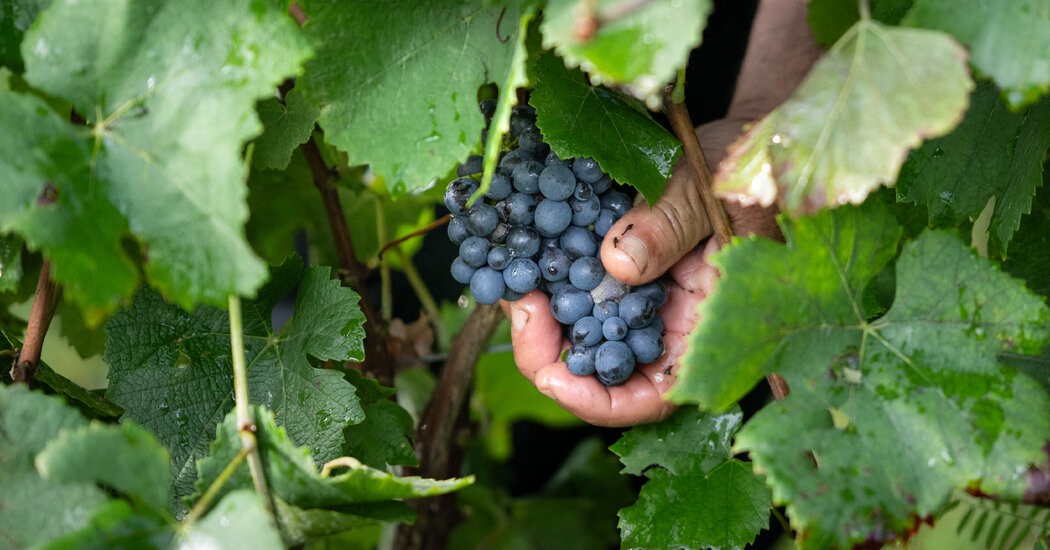
One of the most striking findings is the genetic stability of certain grape varieties. Lineages like pinot noir and Folha de Figueira, a Portuguese white wine, have remained remarkably consistent for centuries. This is due to meticulous propagation methods, where cuttings from desirable vines are used to create identical clones.
As evolutionary genomicist Jazmín Ramos Madrigal notes, “It’s mind blowing to think that we humans have cultivated this same exact genetic clone of a plant for almost 1,000 years.” This is particularly unusual when compared to other domesticated crops, which tend to evolve more rapidly through natural selection or deliberate breeding.
What This Tells Us About Human Influence
The study demonstrates how early winemakers weren’t merely selecting for taste; they were also preserving genetic stability. The ability to maintain specific grape lineages over such long periods suggests a deep understanding of plant propagation and a cultural commitment to consistency.
This research confirms that wine isn’t just the product of nature, but of deliberate human intervention over thousands of years. The flavors we enjoy today are often the result of decisions made by winemakers centuries ago.
The continuity in grape genetics also raises questions about the impact of climate change and modern agricultural practices. If ancient winemakers could preserve genetic purity for millennia, what will happen to these lineages in the face of rapidly shifting environmental conditions? The study provides a historical baseline for tracking future changes and underscores the importance of preserving the genetic diversity of grapes.
In conclusion, this research offers a rare glimpse into the ancient origins of wine, revealing that many of the flavors we enjoy today are rooted in practices developed thousands of years ago. The stability of certain grape lineages highlights the enduring power of human selection and the remarkable continuity of winemaking traditions across millennia.