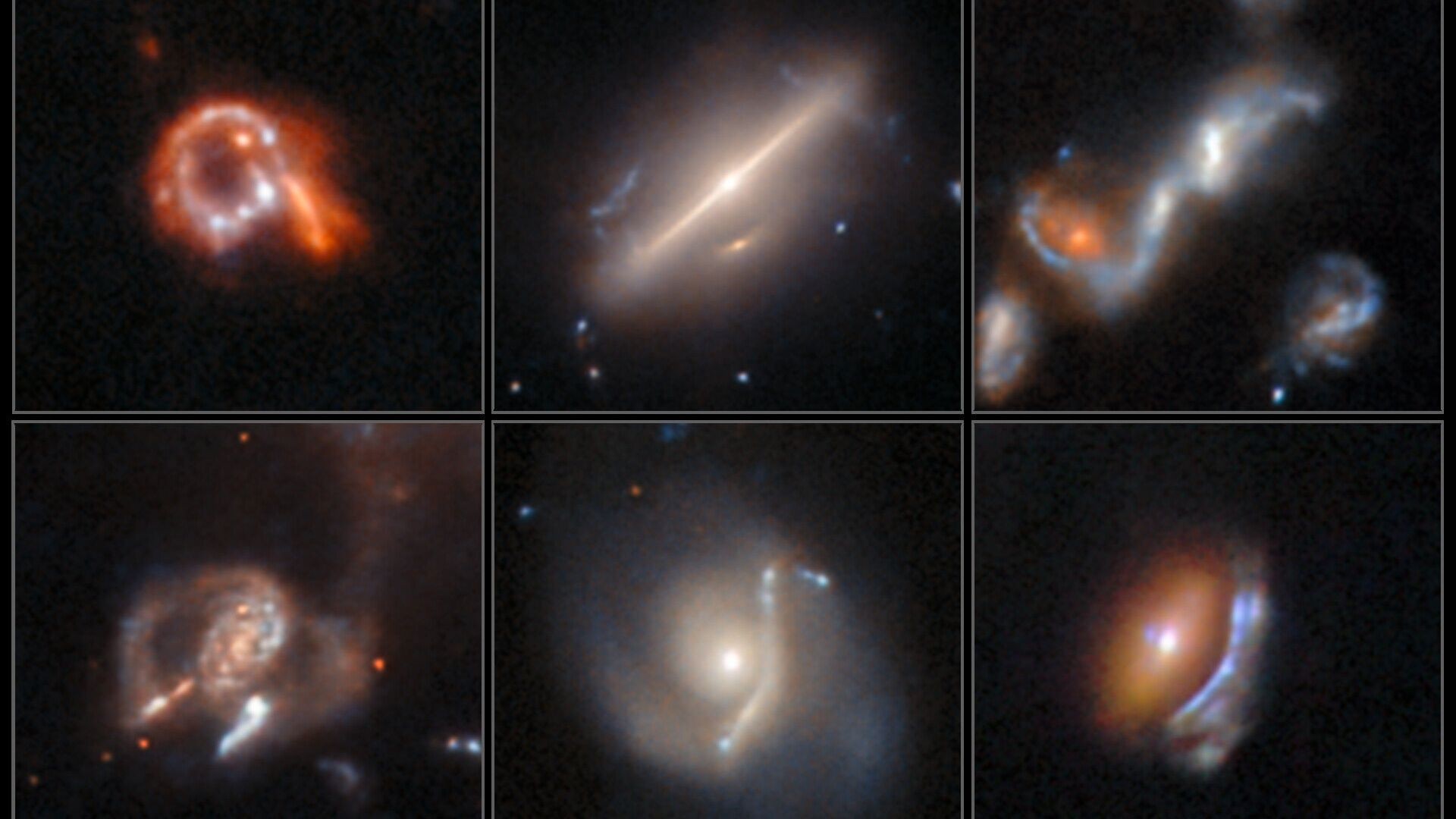
For over three decades, the Hubble Space Telescope has captured an unprecedented wealth of astronomical images—more than 1.7 million to date. However, the sheer volume of data has made it impossible for human scientists to analyze every frame in detail. Now, a new artificial intelligence (AI) model called AnomalyMatch has stepped in to fill the gap, revealing 1,300 previously undocumented cosmic anomalies lurking within the Hubble Legacy Archive.
The Challenge of Astronomical Data Overload
Astronomical observatories, especially long-running projects like Hubble, generate datasets so massive that they outstrip human analytical capacity. The Hubble Legacy Archive alone contains decades of deep-space observations, representing the largest observational dataset in astronomy. Sifting through this data manually is impractical; there simply isn’t enough time for researchers to examine every image.
How AnomalyMatch Works
The ESA-developed AI, AnomalyMatch, was trained to identify unusual objects using pattern recognition—mimicking, in a way, how human vision processes information. In less than three days, the model processed nearly 100 million image cutouts, flagging anomalies that might have otherwise gone unnoticed for years.
What Anomalies Were Found?
The discoveries include distant galaxies merging in unexpected ways, star-forming clumps, and jellyfish-like galaxies with trailing gaseous structures. One particularly striking category involves planet-forming disks in our own galaxy that resemble hamburgers. Many of these objects defy easy classification, highlighting the vastness of unknown phenomena in the universe.
Implications for Future Research
This project marks the first systematic search for anomalies across the entire Hubble Legacy Archive. Researchers emphasize that the success demonstrates AI’s ability to dramatically enhance scientific returns from existing datasets. The discovery of so many previously undocumented anomalies underscores the tool’s potential for future surveys, as well as other long-term astronomical projects.
“This is a powerful demonstration of how AI can enhance the scientific return of archival datasets,” says Pablo Gómez, one of the ESA researchers behind AnomalyMatch.
The development of AnomalyMatch is a major step forward in how we extract knowledge from our growing archives of astronomical data. By automating the process of anomaly detection, AI ensures that no potentially significant observation slips through the cracks, unlocking new insights into the universe at an unprecedented scale.