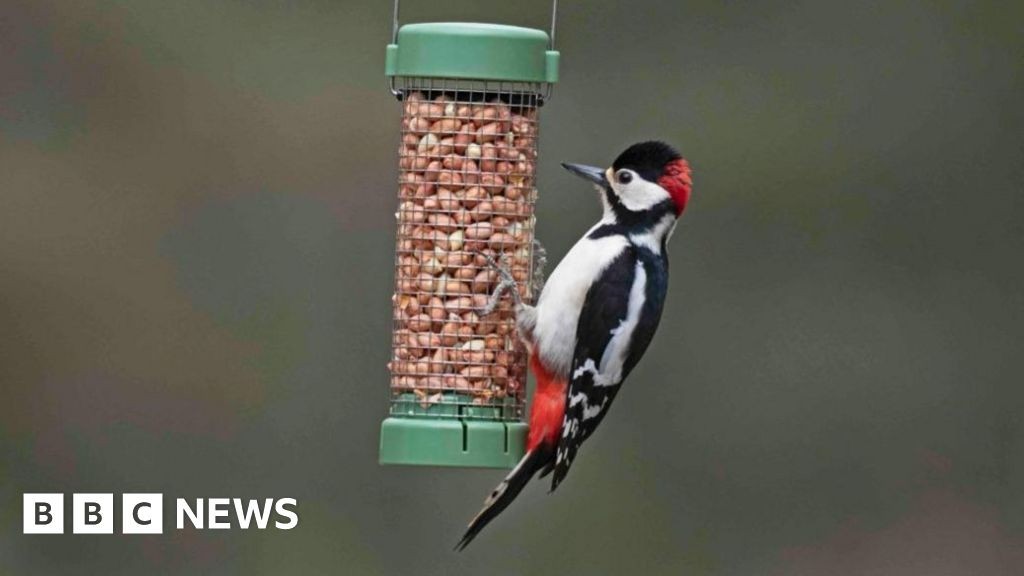
While many gardeners view bird feeders as a way to support local wildlife, the Royal Society for the Protection of Birds (RSPB) is issuing a critical warning: providing food during the warmer months may actually be doing more harm than good.
To protect declining species, the UK’s largest bird charity is urging the public to adopt a new strategy: “Feed seasonally, feed safely.”
The Hidden Danger: Trichomonosis
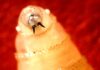
The primary concern behind this shift in advice is the spread of trichomonosis, a disease caused by a parasite that targets a bird’s mouth, throat, and upper digestive tract. This infection makes it incredibly difficult for birds to eat, drink, or breathe.
The danger of garden feeders lies in how the parasite spreads:
– Contamination: Infected birds shed the parasite through their saliva and droppings, which can quickly contaminate communal food sources.
– Direct Transmission: The parasite can also be passed from adults to their chicks during feeding.
– Hotspots: A single infected bird can turn a busy feeder into a high-risk zone for an entire local population.
This disease has had a devastating impact on biodiversity. For instance, the greenfinch population has plummeted by approximately two million birds and is now on the “red list” of endangered species. In 1979, greenfinches were the seventh most common garden bird; by 2025, they have dropped to 18th place.
New Guidelines for Gardeners
The RSPB recommends that most people stop feeding birds between 1 May and 31 October. However, they recognize that a total ban might be difficult for many to follow, so they have provided specific safety protocols:
1. When to Feed
- Seasonal approach: Avoid large-scale feeding during the summer.
- Small portions: If you must feed, offer only very small amounts of mealworms, fat balls, or suet—enough to last only a day or two.
2. Hygiene and Maintenance
- Weekly Cleaning: Feeders must be thoroughly cleaned at least once a week.
- Relocation: After cleaning, move the feeder to a new spot to prevent the buildup of contaminated debris on the ground.
- Water Safety: Bird baths should be cleaned weekly, and water must be changed daily using fresh tap water.
- Avoid Flat Surfaces: Research suggests disease spreads more easily on flat surfaces. Consequently, the RSPB has stopped selling traditional flat bird tables, advising a move away from them.
A Conflict of Interests and Perspectives
The RSPB’s new stance has met with pushback from various sectors, highlighting the complexity of wildlife management.
- The Pet Food Industry: UK Pet Food has expressed concern, noting that the advice is a significant departure from long-standing habits. They argue that the research underpinning these changes has not yet been widely scrutinized by the public. This is a significant point, as the UK bird food market is worth roughly £380 million annually.
- Local Variability: Some experts argue that a “one size fits all” rule may not work, as food availability varies wildly between different regions.
- The RSPB’s Position: The charity maintains that its guidance is based on robust research from the British Trust for Ornithology and the Institute of Zoology. To lead by example, the RSPB has also committed to ceasing the sale of bird food and feeders during the warmer months in its own shops.
“We are well aware that things won’t change overnight… We have therefore sought to keep our advice as simple as possible to make it easier for people to follow.” — Martin Fowlie, RSPB
Conclusion
The shift in feeding advice represents a difficult balance between the human desire to connect with nature and the biological necessity of preventing disease outbreaks. While changing decades of gardening habits will be a slow process, the goal is to ensure that the act of helping birds does not inadvertently contribute to their decline.