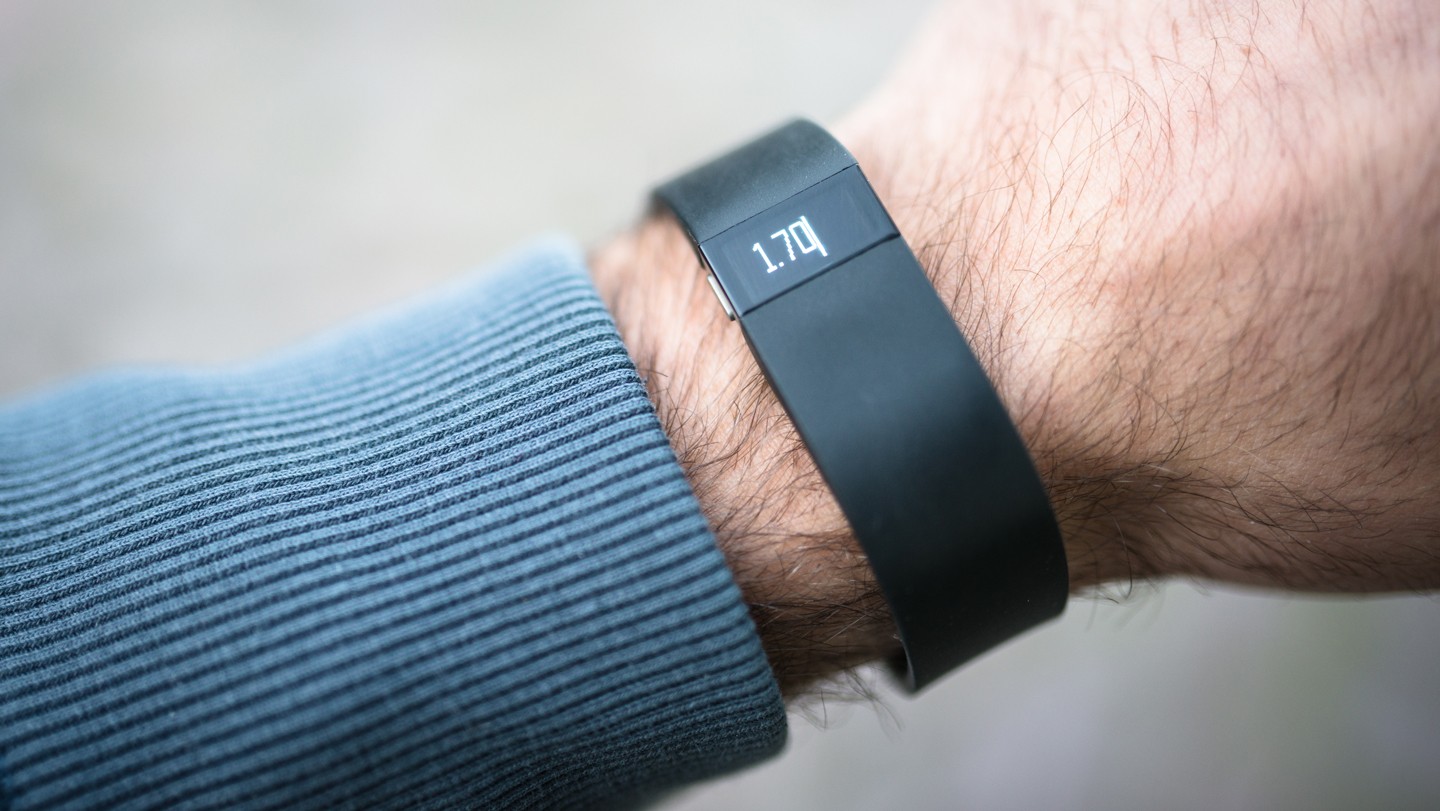
Wearable devices like smartwatches may soon provide an early warning system for type 2 diabetes, leveraging the data they already collect on heart rate, sleep, and activity. A new study published in Nature on March 16th demonstrates that artificial intelligence can identify subtle signs of insulin resistance—a key precursor to diabetes—by analyzing these patterns alongside routine health data.
The Hidden Problem of Insulin Resistance
Approximately 20–40% of U.S. adults are estimated to have insulin resistance, a condition where cells become less responsive to insulin, leading to impaired sugar metabolism. The issue is that most people remain unaware because diagnosis typically requires specialized tests not included in standard medical checkups. This means the condition often goes undetected until blood sugar levels rise, potentially causing irreversible metabolic damage.
The Potential of Early Detection
Early detection of insulin resistance could allow for timely lifestyle changes—dietary adjustments, increased exercise, or even the use of GLP-1 drugs—to slow or reverse the progression toward diabetes. “If we can identify people when they are insulin resistant, we can change the whole trajectory of diabetes,” says Ahmed Metwally, a bioengineer at Google Research.
Scalability vs. Specialized Sensors
Previous attempts at early detection relied on expensive, specialized sensors worn primarily by those already diagnosed with diabetes. The advantage of smartwatches is their widespread use: millions already wear them, making large-scale screening feasible. According to David Klonoff, an endocrinologist at Mills-Peninsula Medical Center, this study establishes a “scalable method … for early detection of metabolic risk.”
How the System Works
The Google Research team developed a system using data from over 1165 individuals wearing Fitbits or Pixel watches, totaling tens of millions of hours of data. Machine learning algorithms combined this smartwatch data with routine lab tests (cholesterol, glucose) and demographic factors (age, BMI) to detect patterns linked to insulin resistance.
The most accurate predictions came from combining smartwatch data with existing lab results. The model achieved 76% accuracy using lab tests alone, but rose to 88% when smartwatch data was included. Resting heart rate proved particularly informative, alongside daily steps and sleep duration.
Imperfect but Valuable Data
While smartwatch data isn’t perfect (sleep tracking is known to be inaccurate), even these imperfect signals add predictive value. The potential lies in continuous, longitudinal monitoring of metabolic health through wearables combined with AI, offering a path toward personalized digital medicine.
“This paper makes a compelling case that consumer wearable data contain substantial metabolic information relevant to the prediction of insulin resistance,” says Giorgio Quer, director of Artificial Intelligence at the Scripps Research Translational Institute.
The technology offers a promising opportunity to identify metabolic risks early, potentially preventing millions from developing type 2 diabetes.