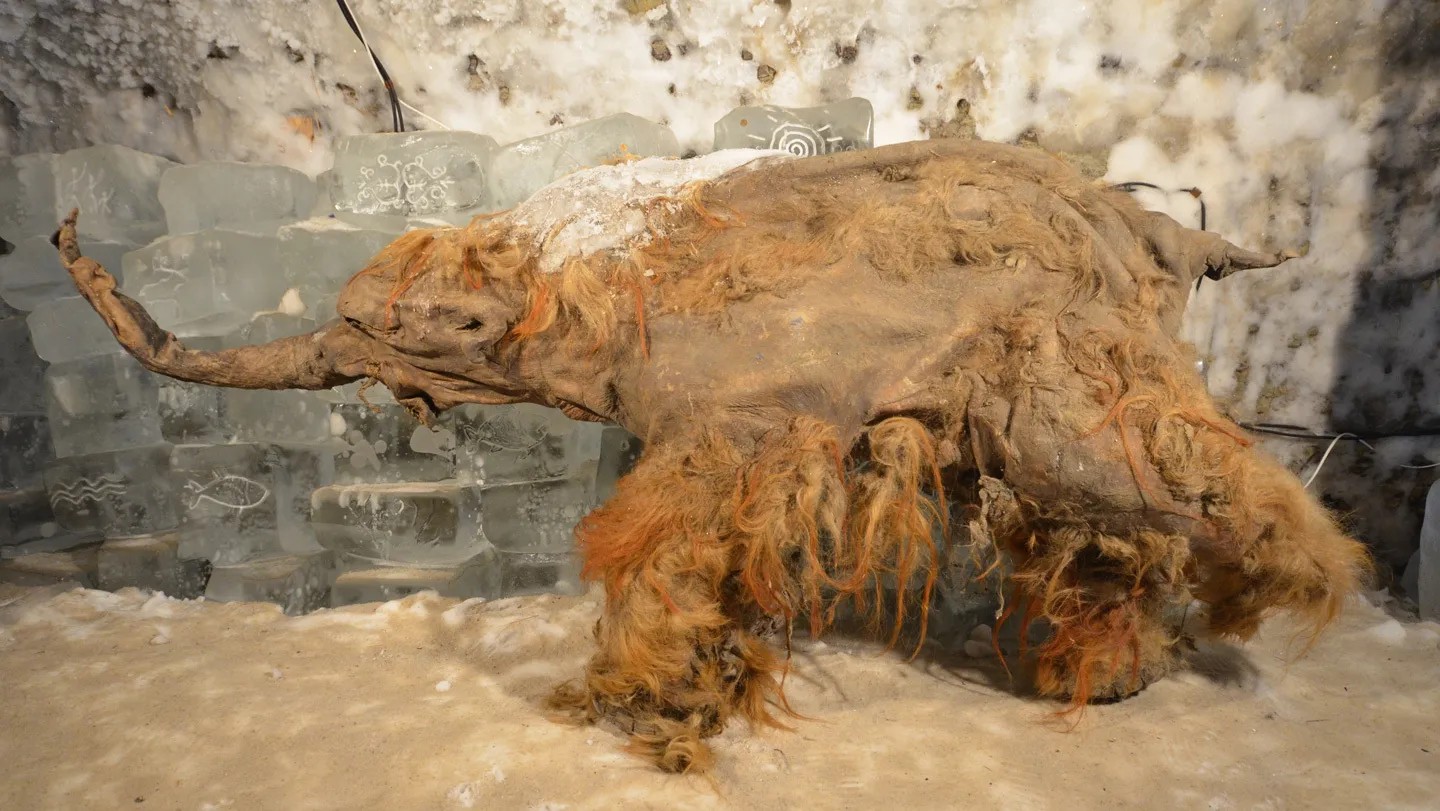
Scientists have recovered the oldest RNA ever found – extracted from the remains of a woolly mammoth frozen in Siberian permafrost. This discovery pushes back the known limits of genetic material preservation, with implications for understanding how long biological information can survive under extreme conditions.
The Breakthrough and its Significance
The RNA, a molecule critical for translating DNA into proteins, was extracted from a mammoth that lived over one million years ago. Previously, the oldest recovered RNA samples were only hundreds of thousands of years old, making this find truly exceptional. The team, led by researchers at Sweden’s Centre for Palaeogenetics, achieved this by carefully analyzing well-preserved tissue from the mammoth’s muscle and teeth.
Why RNA Matters
While DNA is often seen as the primary carrier of genetic information, RNA plays a vital role in how genes are expressed. Specifically, the recovered RNA includes microRNA, short segments that regulate protein production. This suggests that even after an organism dies, its cellular machinery can retain enough structural integrity for these molecules to persist for an astonishing length of time.
Permafrost as a Genetic Time Capsule
The key to this preservation is the permafrost – permanently frozen ground that creates a natural deep-freeze. This environment drastically slows the degrade of organic material, including RNA and DNA. The mammoth’s remains were found in a region where temperatures have remained consistently below freezing for millennia, creating ideal conditions for long-term preservation.
Implications for Future Research
The discovery has major implications for paleogenomics, the study of ancient genomes. It suggests that RNA, and potentially other fragile biomolecules, may be recoverable from much older samples than previously thought. This opens the door to more detailed analysis of extinct species and a deeper understanding of the evolutionary processes that shaped them.
The ability to recover such ancient RNA is a game-changer. It provides a new window into the molecular lives of extinct creatures, allowing us to study not just what they were made of, but how their cells actually functioned.
The team’s findings underscore the power of permafrost as a biological archive and highlight the potential for future discoveries in this rapidly evolving field.