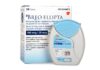
The new year traditionally sparks a surge in weight-loss resolutions, but a growing shift is underway: people are increasingly turning to pharmaceutical solutions instead of relying solely on diet and exercise. 2026 is projected to be a pivotal year for the widespread adoption of weight-loss drugs, particularly GLP-1 agonists—injectable medications and soon, oral pills—that suppress appetite and promote weight loss.
Impact Beyond Individual Health
The implications extend far beyond personal health choices. Restaurants are already adapting by reducing portion sizes to cater to diners with diminished hunger, while supermarkets have noted declines in food sales potentially linked to reduced consumption among drug users. Even airlines are considering the possibility of fuel savings as average passenger weight decreases.
This raises a critical question: how much of these changes are directly attributable to GLP-1 drugs versus opportunistic branding capitalizing on a health trend? Despite current usage remaining limited to a small percentage of the population, the global obesity crisis—affecting an estimated 1 billion people—suggests demand will only increase. The World Health Organization projects that fewer than 10% of eligible individuals will have access by 2030, yet that still represents a substantial market.
Beyond Weight Loss: Emerging Applications
The future of these drugs isn’t limited to obesity treatment. Research is exploring their potential in treating conditions ranging from addiction to cataracts, indicating broader pharmaceutical applications. However, significant questions remain about long-term side effects, withdrawal consequences, and equitable access.
Despite these uncertainties, the trajectory is clear: weight-loss drugs are poised to redefine health and reshape industries in the years ahead. The rapid advancements and widening scope of these medications signal a fundamental shift in how we approach weight management and potentially other health concerns.