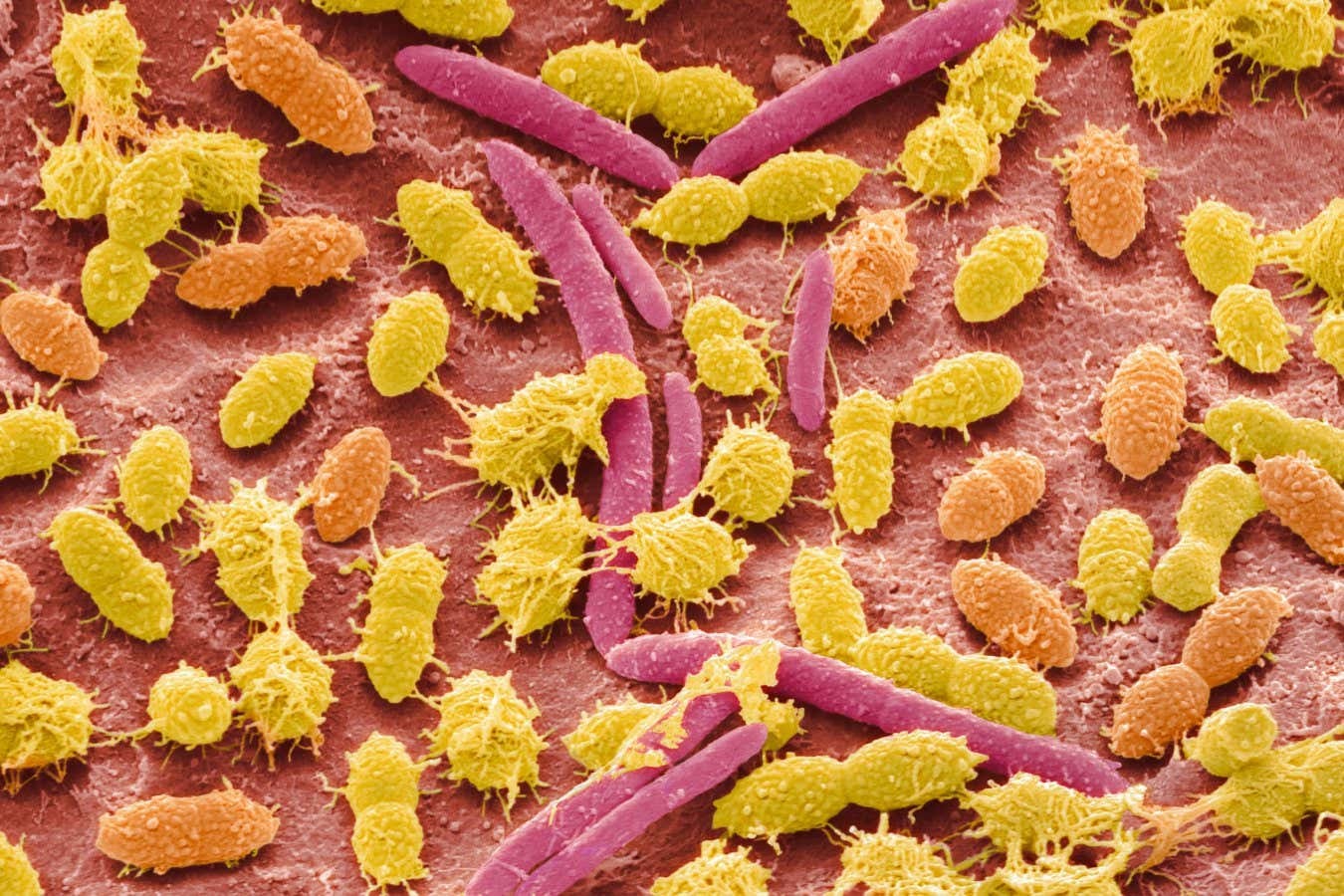
Emerging research suggests a fascinating link between the gut microbiome – the complex community of bacteria living in our intestines – and early personality traits. A recent study found that young rats receiving gut bacteria transplants from exuberant human toddlers exhibit more exploratory behavior, hinting that the microbial ecosystems established in childhood may play a key role in shaping our individual tendencies.
Exploring the Gut-Personality Connection
This research builds upon a growing body of evidence linking the gut microbiome to various aspects of our health, emotions, and even mood. While scientists haven’s fully established cause and effect, there’s increasing evidence that the composition of our gut bacteria can influence our behavior. For instance, studies have shown that individuals lacking certain types of gut bacteria are at a greater risk of experiencing depression or anxiety. Furthermore, preliminary trials involving fecal transplants (transferring gut bacteria from one person to another) have shown potential for alleviating symptoms of depression in humans and inducing similar behaviors in animal models.
The Toddler Transplant Study: A Novel Approach
To further investigate this connection, Anna Aatsinki at the University of Turku in Finland and her team conducted a unique study involving gut microbiome transplants from toddlers to young rats. The researchers evaluated the personalities of 27 two-and-a-half-year-old toddlers using standard temperament assessments and observed their interactions with a bubble gun, aiming to identify differences between behaviorally inhibited and outgoing children.
Ten toddlers were judged as exuberant, and eight as inhibited. The team selected four exuberant and four inhibited toddlers (evenly split between boys and girls) and collected samples of their feces. These fecal samples, along with control samples, were then transferred to 53 young rats whose intestines had been previously cleansed.
Findings: Exuberance Linked to Exploratory Behavior
The rats receiving transplants from toddlers with high exuberance traits displayed significantly more exploratory behavior compared to those receiving control transplants or those receiving bacteria from inhibited toddlers. Further analysis of brain tissue revealed that rats receiving transplants from inhibited toddlers exhibited reduced activity in neurons producing dopamine – a brain chemical associated with reward and risk-taking.
“This study beautifully shows how the gut microbiome in early life may help shape behavioral tendencies,” notes Harriët Schellekens at University College Cork. “By transferring microbiota from children to rodents, the researchers create a rare translational link between microbes, human temperament and brain function.”
Caveats and Future Directions
While the findings are compelling, researchers caution against overstating the influence of the gut microbiome. “Overall, adults’ temperament traits are relatively strongly correlated with genetics,” explains Aatsinki. “However, environmental factors, potentially including the microbiome, could influence the variance of some behaviors.”
It remains an open question whether the gut microbes are directly responsible for observed behavior differences in the children, or if interactions with the environment – diet, for example – lead to different microbial communities and subsequent behavioral shifts. Future research is needed to fully disentangle this complex interplay between genes, environment, and the gut microbiome.
The findings point toward a gut–brain route that influences curiosity, reward, and motivation via the dopamine system.
Ultimately, this research highlights the emerging importance of the gut microbiome in the development of personality, opening up new avenues for understanding how we become who we are