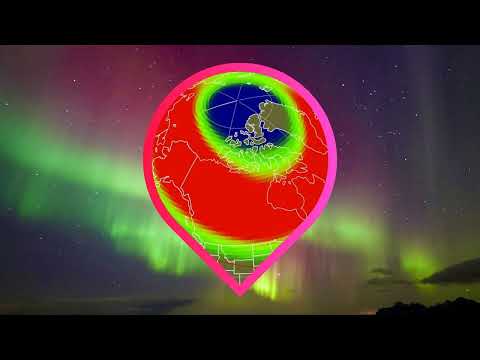
A series of coronal mass ejections (CMEs) are forecast to trigger geomagnetic storms over the next three days, potentially making the northern lights visible as far south as Illinois. The first wave of activity was expected earlier today, but now appears to be delayed – though high-speed solar wind is still expected to arrive by March 21, extending the viewing window.
Why This Matters
Geomagnetic storms are a natural consequence of solar activity, but they can disrupt radio communications, GPS systems, and even power grids in extreme cases. While the current forecast calls for minor to moderate storms (G1-G2), with a chance of stronger (G3) conditions, the main interest is the stunning visual effect: the aurora borealis, usually reserved for high-latitude regions, may be seen much farther south than typical.
Where to Look
Based on current forecasts from NOAA and the U.K. Met Office, residents in the following 18 states have the highest chance of witnessing the lights:
- Alaska
- North Dakota
- Minnesota
- Montana
- Washington
- Idaho
- Wisconsin
- South Dakota
- Michigan
- Maine
- Vermont
- New Hampshire
- Oregon
- Wyoming
- Iowa
- Nebraska
- New York
- Illinois
However, the aurora is notoriously unpredictable. Conditions may shift, expanding or shrinking the viewing zone. The strength of the display depends on the magnetic orientation of the CMEs as they impact Earth’s magnetic field. A southward-facing magnetic field (Bz) is key, allowing solar energy to enter the atmosphere.
Best Viewing Times
Geomagnetic activity is expected to remain elevated throughout the night. The most favorable viewing times are currently forecast for the coming hours, but sustained high-speed solar wind may keep conditions active through March 21.
How to Maximize Your Chances
To see the aurora, find a dark location with an unobstructed view of the northern horizon. Let your eyes adjust to the darkness for at least 30 minutes. Use your phone’s camera to scan for faint glows, which may be more visible than to the naked eye.
Consider using a space weather app like “My Aurora Forecast & Alerts” or “Space Weather Live” to track conditions in real time. Dress warmly, as aurora chasing can involve long waits in cold temperatures.
The coming days offer a rare opportunity to witness this natural wonder. If you capture photos, Space.com invites readers to share them at spacephotos@space.com.
The next few nights represent a unique chance to see the aurora from unexpected locations, but its appearance is never guaranteed. Observing depends on the chaotic yet beautiful interplay between our Sun and Earth’s magnetic field.