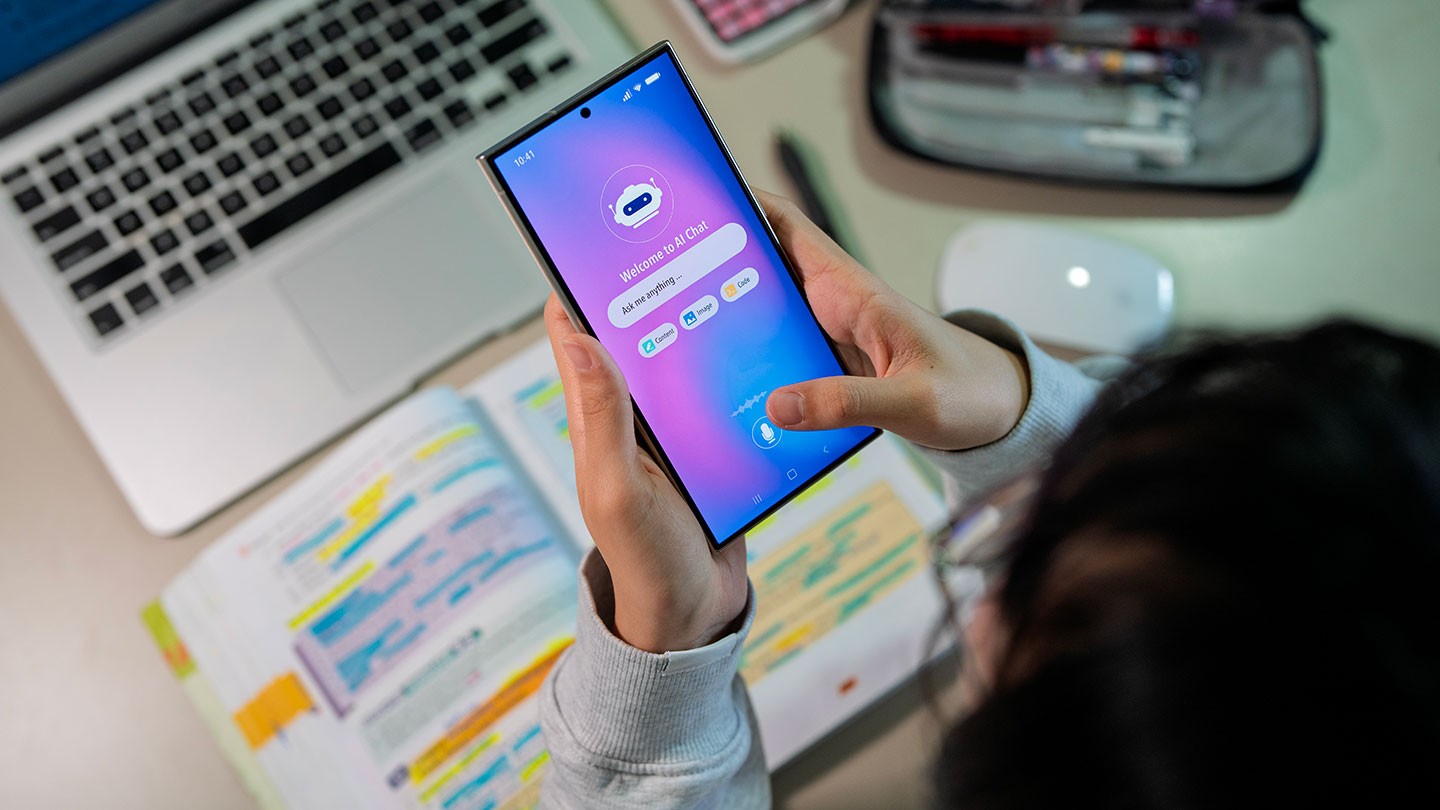
More than half of U.S. teenagers are now using artificial intelligence (AI) chatbots – like Siri, Alexa, and others – not just for homework assistance but for a wide range of tasks. This trend highlights how quickly AI tools are becoming integrated into daily life, especially for digital natives.
The Rise of AI in Teen Life
The shift towards AI-powered assistance is notable: chatbots can now retrieve information, provide answers to classroom topics, and even act as digital assistants for purchases or scheduling. This ease of access changes how teens approach learning and problem-solving.
Artificial intelligence is defined as the ability of machines to mimic human decision-making, while a chatbot is a program designed to simulate human conversation. Teens leverage these tools for various reasons, from quick research to bypassing traditional study methods.
What’s Driving This Trend?
Several factors contribute to this surge in AI usage.
- Accessibility: Chatbots are readily available on smartphones, tablets, and computers, making them convenient.
- Efficiency: AI can deliver answers faster than traditional search methods or textbooks.
- Social Influence: Peer pressure and the normalization of AI tools also play a role.
The term peer refers to someone of equal status, and the influence of friends using these tools can encourage others to follow suit.
Implications for Education and Society
The widespread adoption of AI by teens raises important questions about education, ethics, and the future of work.
If more than half of students rely on AI for homework, it challenges traditional methods of assessment and learning. Teachers may need to adapt their strategies to ensure students develop critical thinking skills rather than simply outsourcing answers.
The concept of innovation – adapting existing ideas for improvement – applies here: AI isn’t just a tool but a catalyst for change in how knowledge is acquired and applied.
Beyond Homework: The Broader Impact
AI chatbots aren’t limited to academic use. They’re also integrated into marketing strategies, where businesses leverage them to promote products or services. The ease with which AI can deliver information makes it a powerful tool for shaping consumer behavior.
Digital technology, based on binary code (zeros and ones), underpins all of this. Understanding how computer science powers these tools is crucial for navigating the future.
Cultural Shift and Long-Term Effects
The integration of AI into teen culture represents a broader societal shift. The term culture refers to shared beliefs and behaviors, and AI is now becoming a part of this collective experience.
This trend may lead to a decrease in independent problem-solving skills if teens rely too heavily on AI. There’s also the potential for stigma if students are caught using AI unfairly, though this hasn’t yet emerged as a widespread concern.
Ultimately, the question is whether AI will enhance or hinder the development of critical thinking in the next generation.