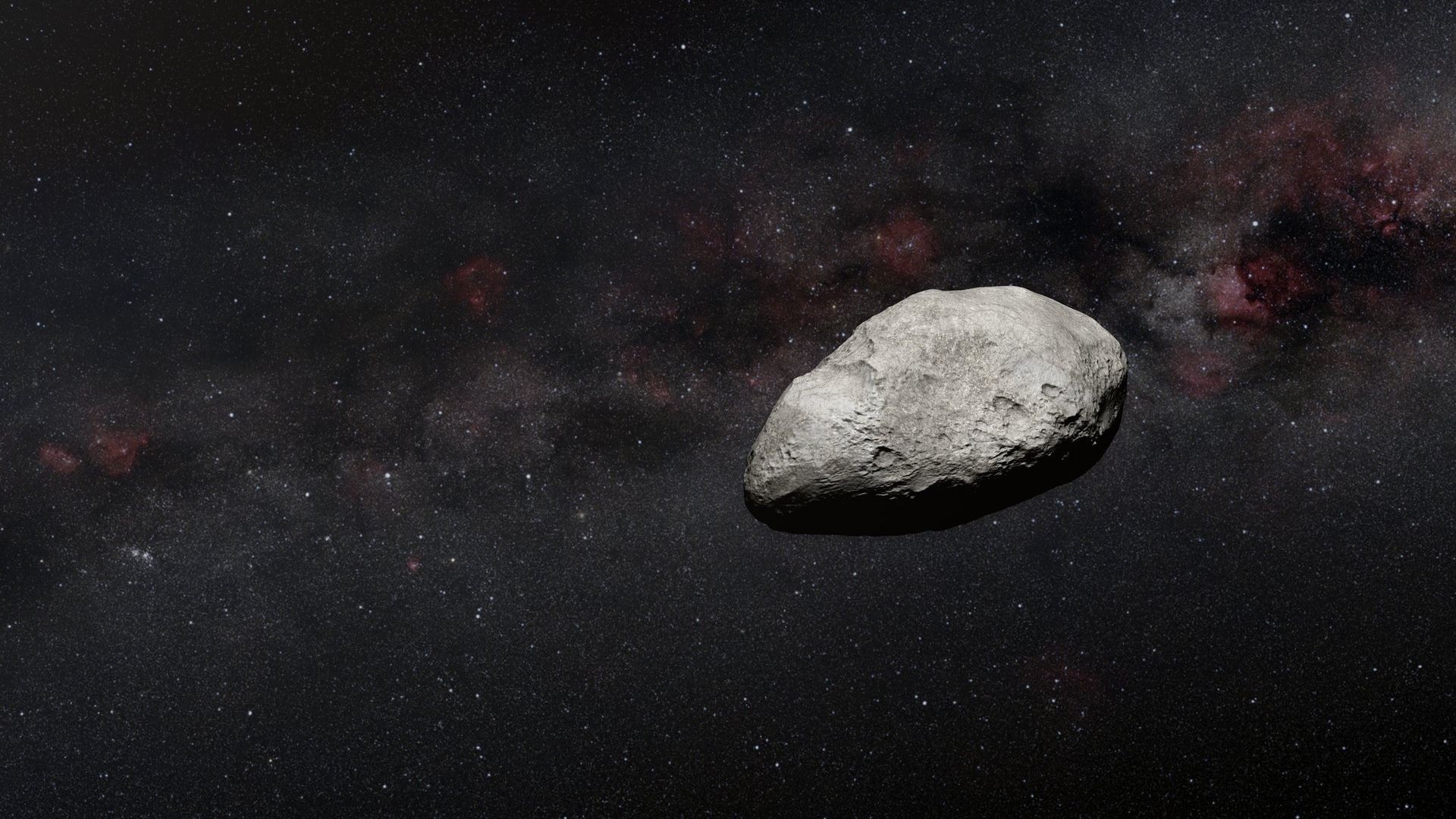
In early 2025, astronomers faced a rare scenario: a newly discovered asteroid, 2024 YR4, posed a credible, though ultimately temporary, threat to Earth. This event served as the first full-scale test of modern planetary defense systems, drawing on decades of preparation and the lessons learned from fictional portrayals of asteroid impacts in films like Deep Impact and Don’t Look Up.
The Discovery and Escalation
Asteroid 2024 YR4 was first spotted on December 27th by the ATLAS survey. Over the following month, continued observations unexpectedly increased the probability of impact – a highly unusual outcome. This led to the asteroid being categorized on the Torino Scale, a system designed to assess and communicate asteroid impact risks.
The Torino Scale assigns levels from 0 (no hazard) to 10 (certain collision) based on both the likelihood of impact and the potential damage. By January 27th, 2024 YR4 reached a Level 3, indicating a greater than 1% chance of hitting Earth and causing localized destruction. At its peak on February 18th, the impact probability reached 3.1% – the highest ever recorded for an asteroid at that level.
The International Response
This Level 3 rating triggered the first official notification from the International Asteroid Warning Network (IAWN), established in 2014 after the Chelyabinsk meteor event. The IAWN’s existence shows how far the planetary defense community has come since 2004 when asteroid Apophis briefly reached a Level 4 threat rating. While Apophis was downgraded more quickly, 2024 YR4 demanded sustained attention and resources.
The alert drew public and political interest, but more crucially, it mobilized astronomers worldwide. Observatories began dedicating “Director’s Discretionary Time” to studying the asteroid, including facilities like the Catalina Sky Survey, Gran Telescopio Canarias, and the Very Large Telescope.
Refining the Threat Assessment
Intensive observations quickly refined the understanding of 2024 YR4. It was found to rotate unusually fast (19.5 minutes) and was classified as either a Sq-type or K-type asteroid, though discrepancies in albedo measurements remain. These details were critical because they clarified the asteroid’s composition and behavior.
As data poured in, the impact threat to Earth diminished, but the risk shifted: now, there’s a ~4% chance 2024 YR4 will strike the Moon in 2032. This could generate a debris cloud that threatens satellites in Earth orbit, underscoring the broader implications of even averted threats.
Lessons Learned
The 2024 YR4 event proved that the planetary defense system works as intended. It triggered a rapid, coordinated response, mobilized global resources, and ultimately refined our understanding of the threat. The incident wasn’t catastrophic, but it underscored the importance of continuous monitoring, rapid assessment, and international cooperation.
The next real threat could arrive with little warning, so these dry runs are vital for ensuring humanity is prepared to act decisively when the stakes are highest.