The Moon is steadily growing brighter as it progresses through its monthly cycle. Currently in the Waxing Crescent phase, it will reach full illumination on February 1st. This means the visible portion of the Moon will continue to expand each night, becoming more prominent in the sky.
Current Lunar Phase Details
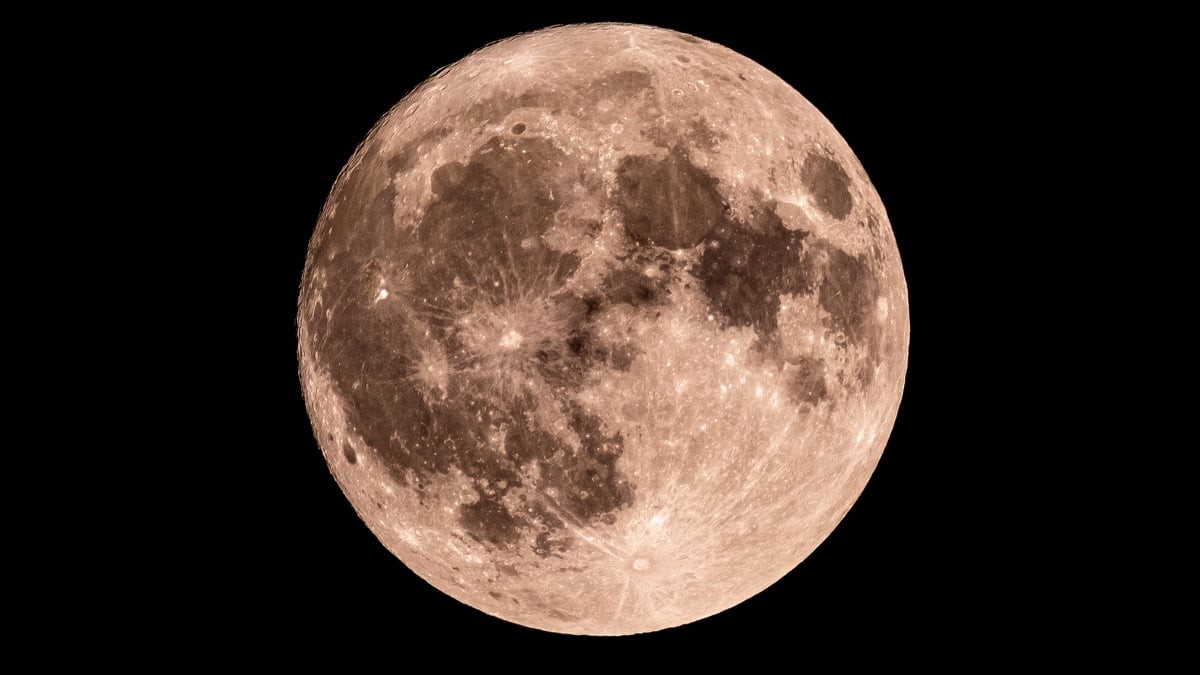
As of January 23rd, approximately 22% of the Moon is illuminated, according to NASA’s Daily Moon Guide. This phase is easily observable without assistance, featuring the visible Crisum and Fecunditatis maria (dark lunar plains).
For those with binoculars, the Endymion Crater is also visible. More powerful telescopes can even reveal the Apollo 17 landing site, a historic landmark on the lunar surface.
Upcoming Full Moon
The next Full Moon will occur on February 1st. The previous full moon was observed on January 3rd. The lunar cycle, lasting approximately 29.5 days, governs these recurring phases as the Moon orbits Earth.
Understanding Moon Phases
The changing appearance of the Moon—from invisible to fully illuminated—is caused by its orbital position relative to Earth and the Sun. While the same side of the Moon always faces us, varying angles of sunlight create the illusion of growth and shrinkage over time.
The lunar cycle consists of eight distinct phases:
- New Moon: The Moon appears dark as it passes between Earth and the Sun.
- Waxing Crescent: A thin sliver of light appears on the right side (in the Northern Hemisphere).
- First Quarter: Half of the Moon is lit, resembling a half-circle.
- Waxing Gibbous: More than half of the Moon is visible, nearing full illumination.
- Full Moon: The entire visible surface is lit, appearing as a bright, full disk.
- Waning Gibbous: Light begins to diminish on the right side.
- Third Quarter: Half of the Moon is lit on the left side.
- Waning Crescent: A fading crescent remains visible before disappearing into the New Moon phase again.
The Moon’s phases have been tracked for millennia, influencing calendars, mythology, and even human behavior. The cycle is predictable, providing a reliable celestial marker for tracking time and observing natural rhythms.