The Moon is currently in its Waning Crescent phase, meaning it appears as a very thin sliver in the night sky. As of today, March 18, 2026, only about 1% of the Moon’s surface is illuminated, making it nearly invisible to the naked eye.
What Does This Mean?
The Moon orbits Earth roughly every 29.5 days, cycling through eight distinct phases. These phases are determined by how much of the sunlit side of the Moon is visible from Earth. The Waning Crescent phase marks the final stage before the New Moon, where the Moon will appear completely dark.
The Lunar Cycle Explained
The Moon’s phases aren’t random; they’re a predictable result of its orbit around our planet. Here’s a breakdown of the eight phases:
- New Moon: The Moon is positioned between Earth and the Sun, making its visible side completely dark.
- Waxing Crescent: A small sliver of light begins to appear on the right side (in the Northern Hemisphere).
- First Quarter: Half of the Moon is illuminated on the right side.
- Waxing Gibbous: More than half of the Moon is lit, but it’s not yet full.
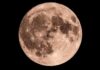
- Full Moon: The entire visible surface is bright and fully lit.
- Waning Gibbous: Light begins to fade from the right side.
- Third Quarter (Last Quarter): The left half of the Moon is illuminated.
- Waning Crescent: Only a thin sliver remains visible on the left before disappearing again.
When to Expect the Next Full Moon
For observers in North America, the next Full Moon is expected on April 1, 2026. This marks the peak of the lunar cycle, when the Moon will appear bright and full in the sky.
The Moon’s phases are a constant reminder of Earth’s relationship with its natural satellite, a celestial dance that has captivated humans for millennia.