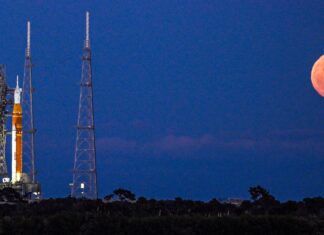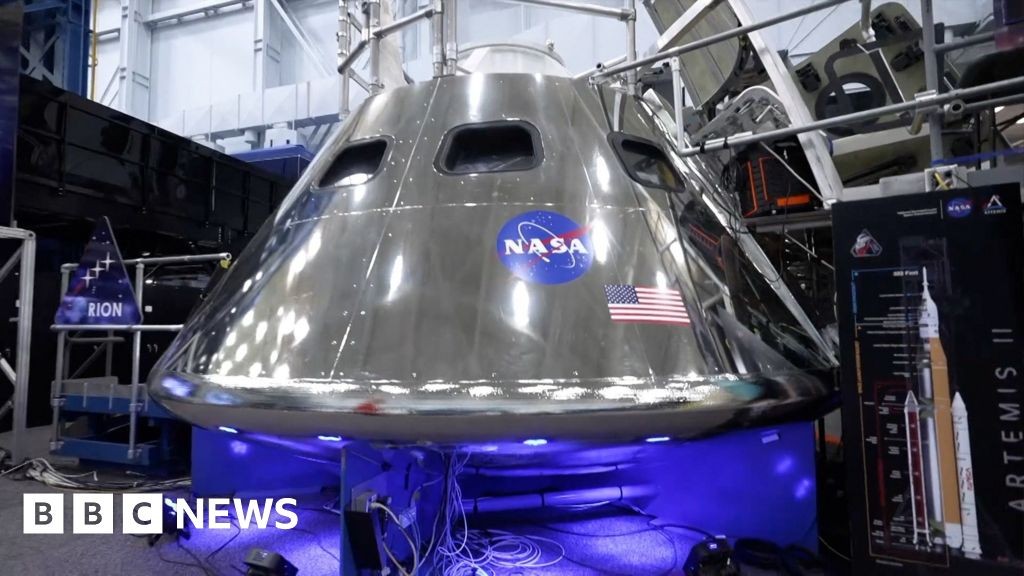
After decades of waiting, humanity has officially begun its return to lunar exploration. NASA’s Artemis II mission has successfully launched from Florida, marking the first crewed mission to the Moon in over half a century. This mission represents a pivotal shift in space exploration, moving from the era of solo, robotic probes back to human-led deep-space discovery.
The Mission: Orbiting the Moon
Unlike the Apollo missions of the 1960s and 70s, which focused on landing humans on the lunar surface, Artemis II is a critical orbital mission. The crew is currently aboard the Orion spacecraft, conducting essential tests—including capsule maneuvering—to ensure the vehicle is flight-ready for future landing attempts.
The primary goals of this 10-day journey include:
– Testing life-support systems: Ensuring the Orion spacecraft can sustain humans in the harsh environment of deep space.
– Validating technology: Testing the “universal waste management system” (the space toilet) and advanced spacesuits designed for extreme lunar conditions.
– Preparing for Artemis III: This mission serves as the ultimate dress rehearsal for the goal of landing humans on the Moon again, currently targeted for 2028.
A Global Spectacle and Technical Triumph
The launch was a moment of intense emotion and high stakes. Observers—ranging from BBC journalists positioned just miles from the launchpad to passengers on commercial flights—witnessed the ascent of what is arguably the most powerful rocket ever built.
The journey to this moment was not without obstacles. The mission faced numerous delays and technical hurdles, highlighting the immense complexity of modern aerospace engineering. From rigorous spacesuit fittings to months of specialized training at the Johnson Space Center in Texas, every detail was scrutinized to mitigate the risks of human spaceflight.
The Broader Context: A Divided America
While the Artemis launch provides a rare moment of national achievement, it unfolds against a backdrop of significant domestic tension in the United States. The news cycle reveals a country navigating several simultaneous crises:
- Economic Pressure: Rising fuel costs, driven by geopolitical instability in Iran, have pushed US petrol prices above $4 per gallon for the first time since 2022, placing heavy financial strain on sectors like agriculture.
- Political Unrest: Major “No Kings” protests have erupted across various cities, reflecting deep divisions regarding the Trump administration’s policies and executive orders.
- Infrastructure and Governance: A partial government shutdown has led to significant travel disruptions, with TSA agents working without pay and causing massive delays at major hubs like Houston Airport.
The Artemis II mission is more than just a flight; it is a test of human ingenuity and a bridge to a future where permanent lunar habitation may become a reality.
Conclusion
Artemis II stands as a monumental achievement in space exploration, proving that humanity is once again capable of venturing into deep space. While the mission successfully navigates the technical challenges of the cosmos, the United States continues to grapple with complex economic and political challenges on the ground.